
Discover Foggia: culture and trails in the surrounding area
Accommodation in Foggia
Foggia can be discovered through its distinct contrasts: at the Museo Civico, you can encounter archaeological finds, paintings and ethnographic insights; the cathedral provides a historic landmark in the city centre. Nearby, there are also trails through woodland areas. If you would like to bring different interests together on your trip, you can plan culture in the city and nature trails in the surrounding area as separate focuses.
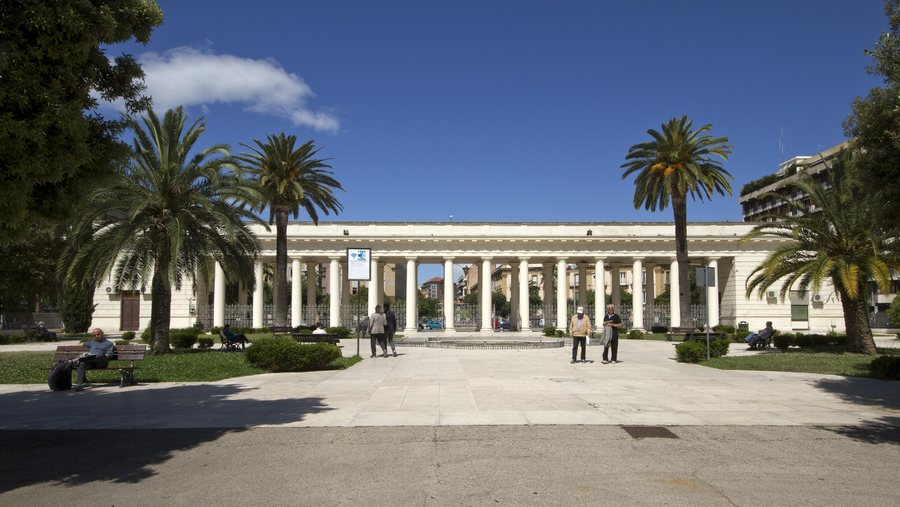 File:Foggia, Province of Foggia, Italy - panoramio - trolvag (5).jpg
Photo: trolvag via Wikimedia Commons, CC BY-SA 3.0
Collections spanning archaeology and everyday history
The permanent exhibition at the Museo Civico includes archaeological finds from prehistoric times to the Roman era, paintings and ethnographic sections. The archaeological department adds to this chronological range with reconstructions of the Ipogeo della Medusa and the Tomba dei Cavalieri. This places evidence from different periods alongside specific burial sites. The museum therefore offers more than a single historical focus: its collections invite visitors to distinguish between archaeological subjects, painting and everyday culture.
The ethnographic department offers a special window onto everyday history with the “Stanza della Tessitrice”. The room recreates a rural house in the Gargano from the early 20th century. Weaving, bread-making and outdoor work feature as aspects of life in the house. Unlike the archaeological collection, which reaches far back in time, the focus here is on a recreated living and working environment. The comparison makes the different perspectives of the departments tangible without conflating their subjects.
Urban history and art in Foggia
Via Arpi is regarded as the historic heart of Foggia. The cathedral stands in the city centre and dates back to the 13th century. A city area considered historically significant and a building with a clearly established date therefore provide two different points of reference for the city’s history. The Pinacoteca at the Museo Civico reveals another side of the art collection: alongside paintings from the 18th century are works by the Foggian painter Francesco Saverio Altamura.
The buildings housing the art venues also reflect different uses. The Pinacoteca Il 9Cento is located in a former neighbourhood market, which also hosts exhibitions and cultural events. The Palazzetto dell'Arte “Andrea Pazienza” is an art gallery for exhibitions and has a small conference room. Its opening hours vary depending on the event. So if you are planning a visit, check the relevant event date.
The Museo della Religiosità Popolare is located in the crypt of the Chiesa delle Croci, also known as the Cappellone. The church is a city National Monument dating back to 1693; the Ministry of Culture lists the site as closed. This sets it apart from the collections and galleries described above and is worth bearing in mind when planning your visit if you are interested in Foggia’s religious history.
Trails and the regional landscape
The Santuario della Madonna dell'Incoronata, the gateway to the Bosco Incoronata Regional Park, lies close to the destination. From there, various routes, including cycle paths, lead to the woodland’s natural areas. This offers a different focus from the city’s collections: you can orient your trip more towards culture in Foggia or towards trails and woodland areas nearby, without treating these places as one and the same city attraction.
Further afield in the region, a route follows mainly the old sheep track Tratturo San Lorenzo. Like other tratturi in the province, this path was used for centuries by transhumant shepherds, who drove their sheep from the Abruzzo region to the pastures of the Tavoliere. This historical context gives the route a significance beyond simply crossing the landscape: it also represents the seasonal movement of shepherds and flocks between different grazing areas. A total area of approximately 23 hectares is planned for the Parco Urbano e Archeologico Campi Diomedei.
When looking for a holiday apartment in Foggia, it helps to decide first what you want to focus on during your stay. If you want to make urban history, collections and art your priorities, Foggia offers several distinct themes to explore. If you also want to include trails through woodland areas, take the nearby surroundings into account when making your choice. This way, you can tailor your holiday search to the kinds of discoveries that matter to you, rather than grouping every destination under a single style of excursion.
Discover more destinations
Discover more destinations: Sant'agata Di Puglia, Carpino, Mattinata, Rodi Garganico, Lido Del Sole, Tomaiolo, Giardinetto Vecchio, San Paolo Di Civitate.
Back to the main travel overview: Foggia.

