
Jovencan: Vineyards, Chatelair and Regional Traditions
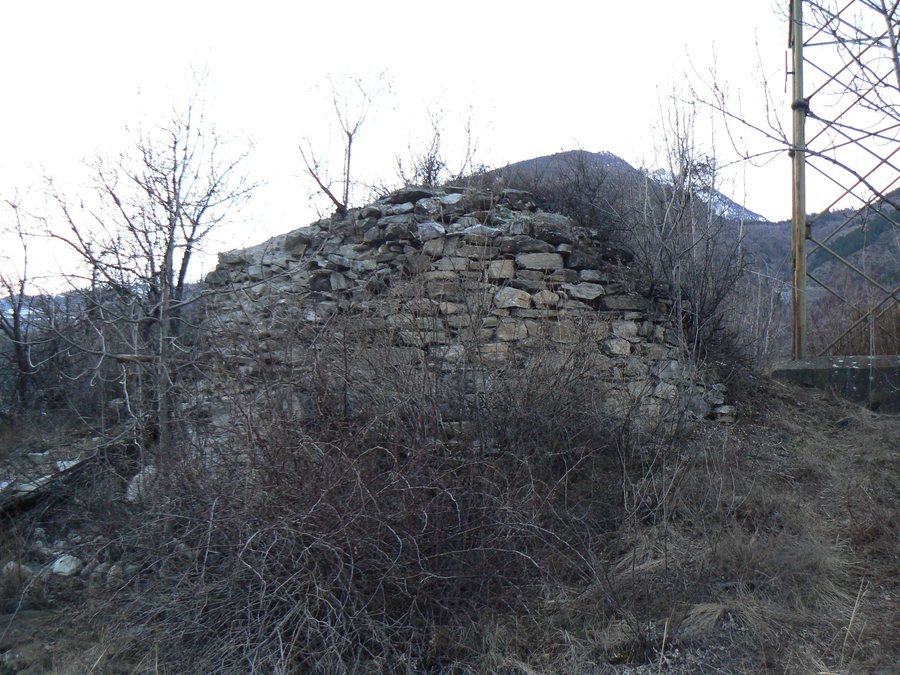
Jovencan combines an agriculturally shaped landscape with historical and cultural themes. The village lies between productive vineyards and orchards. The area's history includes the historic Chatelair site, a circular route, Roman name origins, regional traditions and sporting activities of the Aosta Valley. Vineyards and orchards shape the rural setting; Chatelair, the Maison des Anciens Remèdes and regional customs add historical and cultural accents.
Historic Buildings on the Chatelair Site
The historic Chatelair site is home to the medieval Castello di Jovençan, which bears the name „château des Tyrans“. North of the Castello di Jovençan, the fortified Pompiod house is located there; it bears the name Torre dei Salassi. The two buildings are situated on the same historic site. Their different names – „château des Tyrans“ and Torre dei Salassi – belong to the respective buildings.
Maison des Anciens Remèdes and Circular Route
The Maison des Anciens Remèdes is housed in a renovated 17th-century rural house. The Anello Ru d'Arbérioz circular route begins and ends at the Maison des anciens remèdes in Jovençan. The Maison des anciens remèdes is therefore both the starting point and the endpoint of the same circular route. For route orientation, this means there is a single location reference between the start and the finish. The circular route should therefore be considered for day planning as a route with a fixed starting and ending point.
Roman Past and Regional Traditions
Jovençan was already inhabited in Roman times; the name derives from Juventius. Cattle breeding in Jovençan contributes to maintaining the tradition of the Bataille de reines. Rebatta, a traditional folk sport of the Aosta Valley, is also practised. Culture enthusiasts can explore Roman name origins, cattle breeding and Rebatta as distinct regional themes in Jovençan.
Cultural Destinations in the Nearer and Wider Area
The Roncas Palace, the historic Teatro Romano di Aosta site and the Criptoportico Forense monument are located in the vicinity of Jovencan. The Castello di Fenis is also located in the wider regional area. Culture enthusiasts can choose between the historic Chatelair site, the Maison des Anciens Remèdes and the cultural destinations around Jovencan, focusing on different aspects.
Landscape Between Mountains and Orchards
The mountains Pointe de la Pierre, Becca France and Pointe de Metz, as well as the natural arch Arco D'Augusto, are located around Jovencan. Together with the vineyards and orchards, these landscape features stand alongside the Anello Ru d'Arbérioz circular route. Jovencan's landscape thus combines agricultural areas with mountain settings and a natural arch. For a stay with changing points of focus, the vineyards, orchards, mountains and circular route can be considered separately from the historic destinations.
Connection to Aosta
Bus route 5 connects Aosta with Jovençan via the Aosta–Aymavilles route. This bus connection adds a direct link to Aosta and another regional point of reference for day planning to the local connections of Jovencan.
If you would like to discover more places in the same region, you can find Pré-Saint-Didier, Arnad, Nus, Avise, La Thuile, Valpelline, Oyace and Champdepraz here.
For the higher-level travel overview: Aosta Valley.
Check prices, availability and amenities for your travel dates directly on Booking.com.
View Accommodations and OffersAdvertisement · Affiliate link to Booking.com
