
Aosta: Holiday apartment in Aosta between Roman history and mountain landscapes
Accommodation in Aosta
Aosta is a destination where Roman structures, archaeological sites, festivals and a glacially shaped landscape stand side by side. The Arco di Augusto is a triumphal arch dedicated to Emperor Augustus and stands on the road that led to the monumental Porta Praetoria, the main entrance to the Roman city.
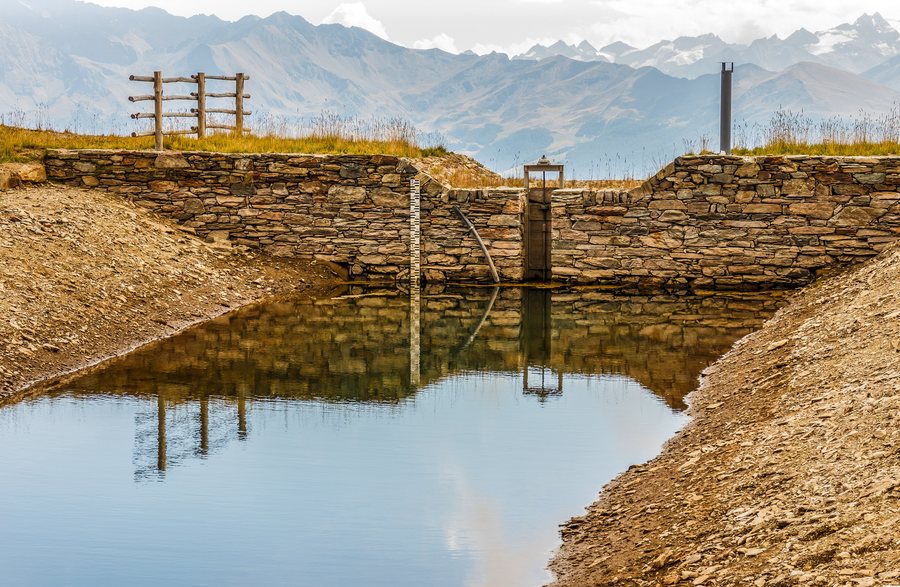 File:Lago Fallère, Valle d'Aosta (2415m) 002.jpg
Photo: Agnes Monkelbaan via Wikimedia Commons, CC BY-SA 4.0
File:Lago Fallère, Valle d'Aosta (2415m) 002.jpg
Photo: Agnes Monkelbaan via Wikimedia Commons, CC BY-SA 4.0
Holiday apartment in Aosta for culture and discovery
The Teatro Romano is one of the best-preserved structures of Augusta Praetoria. Its surviving southern façade is 22 metres high and provides visitors with a clear architectural reference point. The Area Megalitica reaches even further back in history: it contains remains from six historical phases dating from 3000 to 1100 BC.
The museum tour of the Area Megalitica leads visitors across walkways to the archaeological site, which lies approximately 6 metres below street level. The basement of the MAR – Museo Archeologico Regionale preserves Roman remains of the Porta Principalis Sinistra. The MAR – Museo Archeologico Regionale is laid out as a thematic and chronological tour. Both places offer cultural interests a different form: in one case, the visit leads across the site; in the other, through an organised sequence of themes and periods.
The surrounding area of Aosta is also home to notable destinations: Roncas Palace is a palace, while Criptoportico Forense is a monument. Castello di Fenis, a castle, is also located in the area around Aosta; Aosta Cathedral is a church and is likewise situated nearby. These destinations broaden the cultural perspective beyond individual structures without conflating the different characters of the places.
Landscape, festivals and local impressions
The morphology of the Riserva Naturale Tzatelet nature reserve is of glacial origin. Pointe de Metz, Becca di Nona and Becca France are all mountains located in the area around Aosta. Arco D'Augusto, a natural arch, is also situated in the immediate vicinity of Aosta.
The local side of the destination also includes two different events. La Foire d’été takes place on the first Saturday in August and showcases local handicrafts. At the Fiera di Sant'Orso, visitors can taste wines and typical products. Travel planning therefore brings together architectural history, landscapes, handicrafts and culinary discoveries.
In Aosta, the Teatro Romano, the Arco di Augusto, the Area Megalitica and the MAR represent culture; the Riserva Naturale Tzatelet and the mountains Pointe de Metz, Becca di Nona and Becca France represent landscapes; and La Foire d’été and the Fiera di Sant'Orso represent handicrafts and tastings.
More destinations for your planning
More destinations for your planning: Breuil-Cervinia, Verrayes, Brengon, Etroubles, Grand Brissogne, Jovencan, Montjovet and Doues.
For the overarching travel overview: Aosta Valley.

_002.jpg)