
Discover Veszprém: Castle, Viaduct and Culture
Accommodation in Veszprém
Veszprém offers a range of starting points for a stay: historic sites on Várhegy, the viaduct over the Séd Stream, a viewpoint in Gulya-dombi Park Forest, and paths along the stream. This lets you plan your stay around what matters most to you—city history, outdoor activities or cultural events.
Castle, Hills and Historic Sites
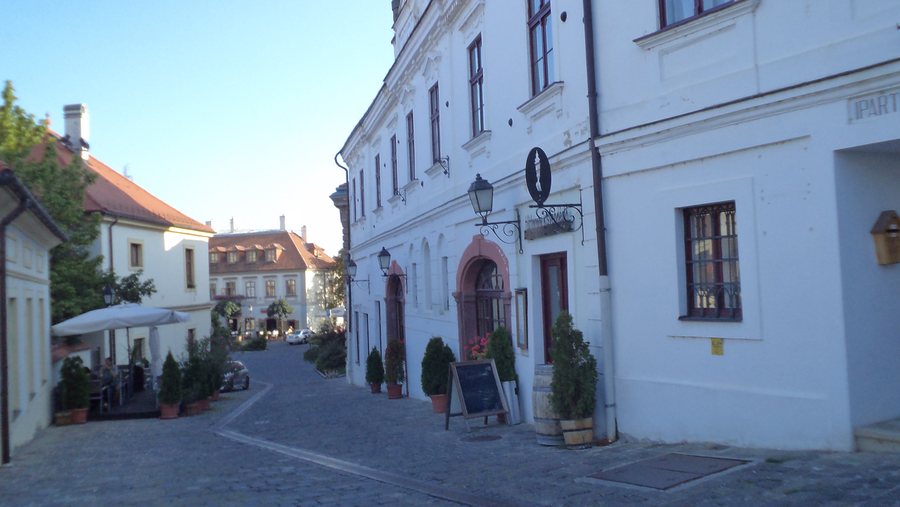
Veszprém Castle was built in the 10th to 11th century on Várhegy, a hill in the city. A wall from the former fortification runs along the edge of the steep slopes; historic buildings now stand within the castle grounds. Behind the basilica, on the northern side of the castle, lies Szent Benedek-hegy. It is considered the burial site of the ancestors from the time of the Hungarian Conquest. These places offer different points of reference for the city’s history: the castle’s elevated location, traces of the former fortifications, and the historical tradition associated with the hill.
One of the city’s distinctive landmarks is the Szent István Valley Bridge, also known as the Viaduct. It spans Fejes Valley above the Séd Stream and is 50 metres high. The Tűztorony offers a different view of Veszprém: originally intended as a watchtower, it was later converted for fire surveillance. A spiral staircase leads to a circular balcony overlooking Veszprém’s districts.
Trails, Views and Play Areas
In Gulya-dombi Park Forest stands the 22-metre-high Gizella Queen Lookout Tower. It was rebuilt from the ground up. The lookout tower is about a ten-minute walk from the upper car park of Veszprém Zoo. This approximate walking time makes the viewpoint an easy-to-plan excursion in its own right.
If you prefer a longer route, Kolostorok és Kertek offers a hiking and cycling trail more than three kilometres long. It runs along the Séd Stream and passes through a well-maintained public park. This gives you different ways to get active: a short walk from the car park mentioned above to the lookout tower, and a longer route to explore on foot or by bike.
In Veszprém Valley, you’ll find the Magyar Népmesék Play Garden and the Rézsűs Playground. These two play areas complement the historic sites and trails, offering specific destinations for a break with children. When planning your day, you can combine these play areas with a walk or a visit to the city centre, without limiting your stay to a single theme.
Museum Visits and Festivals Throughout the Year
The Víziközmű Museum and Exhibition Hall commemorates Veszprém’s drinking water supply, which has been in place for 120 years, and features a themed exhibition about water management. Advance booking is required for a visit. Check the visiting arrangements beforehand, before adding it to your itinerary.
The events calendar also offers clear seasonal highlights. The Gizella Napok takes place every year in May; the programme includes a historical procession, concerts, exhibitions and theatre performances. The Veszprémi Utcazene Festival takes place every year in July. Street musicians from Hungary and abroad perform on small or improvised stages in the city centre. VeszprémFest is also a regular part of the city’s programme each July. Programmes and performers vary. When planning your trip, it’s therefore worth considering your preferred month alongside the event details for that year.
Plan a Stay That Suits You
If you’re looking for a holiday apartment in Veszprém, start by deciding what you’d like your stay to focus on: the castle and traces of history, outdoor trails, play areas or events. May and July offer different cultural highlights; the park route and viewpoint provide other ways to shape your days. This choice helps you align your travel dates and daily plans with your interests, without letting a single reason for visiting define your entire stay.
Discover More Destinations
Discover more destinations: Bánd, Tótvázsony, Barnag, Szentgál, Veszprémfajsz, Herend, Hárskút, Pula.
For the main travel overview: Veszprémi.

