
Discover Mesterháza
Accommodation in Mesterháza
Mesterháza combines Neoclassical architectural history with a clear connection to protected natural areas. This puts two different interests at the heart of choosing a holiday destination: buildings with their own historical and cultural significance, and Natura 2000 sites that border the town to the north and south. If you are looking for a holiday rental, you might ask whether local history or the surrounding landscape is what draws you to Mesterháza.
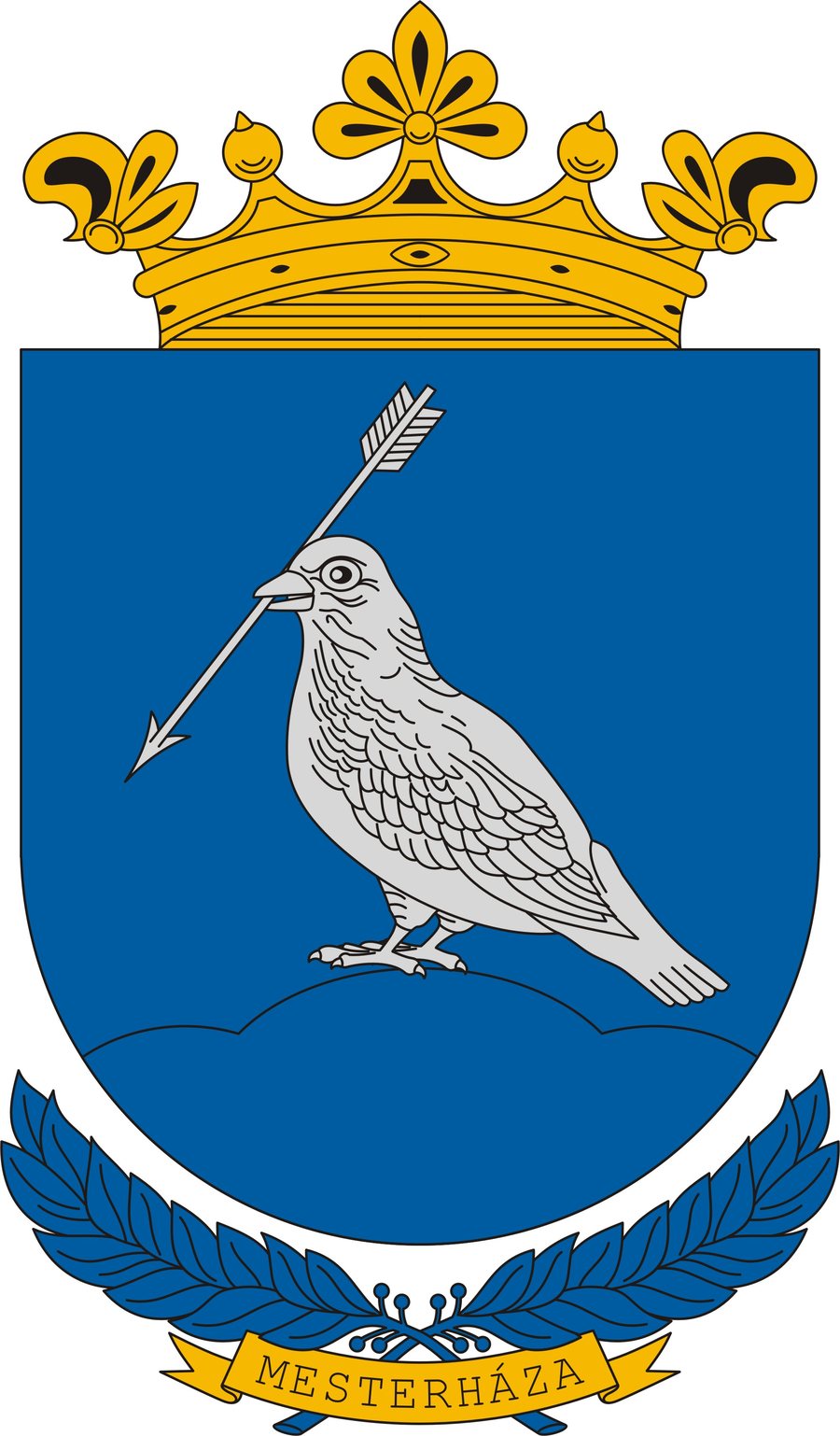 File:HUN Mesterháza COA.jpg
Photo: Nemzeti Fejlesztési Minisztérium via Wikimedia Commons, Public domain
Neoclassical architectural history and folk heritage
Jekelfalussy Castle and the bell tower in Mesterháza are Neoclassical listed buildings. The castle was built before 1842, is privately owned and is not open to visitors. A different period and style are represented by the house at 22 Petőfi Sándor Street: it dates from the late 19th century and is considered an important example of the municipality’s folk heritage.
The buildings offer different perspectives: the castle represents Neoclassical architecture, while the house reflects the municipality’s folk building culture. The timeline also spans the period before 1842 through to the late 19th century. Those interested in architectural history will find two distinct aspects of the town’s past, without conflating the castle and the house.
Protected areas to the north and south
Natura 2000 sites border Mesterháza to both the north and south, and are also part of the National Ecological Network. The references to the north and south place this landscape connection right beside the town; its inclusion in the network adds a broader ecological context. Alongside the town’s architectural heritage, this offers a distinct nature theme that may factor into the decision to visit Mesterháza.
Regional highlights in the wider destination of Vas County
The wider destination of Vas County offers another perspective on the landscape: Írottkő Nature Park lies in the northwestern part of Vas County. The park includes the entire 4,303-hectare Kőszeg Landscape Protection Area. These regional details broaden the nature connection shaped in Mesterháza itself by the Natura 2000 sites.
Two route descriptions in Vas County cater to different active interests. The Termál Kerékpáros Túraút (Thermal Cycling Route) visits five thermal bath complexes and combines cycling with visits to architectural and natural attractions as well as other thermal baths. The Vulkán Tour leads to Kis-Somlyó, Ság-hegy and Belső-hegy. This gives you the choice between a cycling route with bathing stops and a tour to three named destinations; each brings a different theme to your travel plans.
Regional additions are also available for cultural history. The Vasi Skanzen presents rural life and the folk building culture of Vas County over the past two centuries. Since opening in 1973, it has rescued and rebuilt 43 buildings from 27 settlements. These figures give the subject a broader regional scope than a single historic monument. Another cultural and historical reference is the Romanesque church of Ják Abbey, which was consecrated in 1256. Within Vas County, the presentation of rural building culture and a Romanesque church building thus offer different cultural perspectives.
Discover more destinations
Discover more destinations: Gór, Lócs, Bő, Csepreg, Bük, Simaság.
Go to the wider travel overview: Csepregi.

