
Discover Lake Balaton - South
Accommodation in Lake Balaton - South
Lake Balaton - South offers different perspectives on landscape and culture. In the Zselici Tájvédelmi Körzet, the title of International Dark Sky Park was awarded in 2009 because of the low levels of light pollution; the Zselici Csillagpark was built in the heart of the protected area. In Hungary, the Zselic is located in Southern Transdanubia. The region covers about 1,200 square kilometres and 45 municipalities; most of it lies in Somogy County, with the smaller part in Baranya.
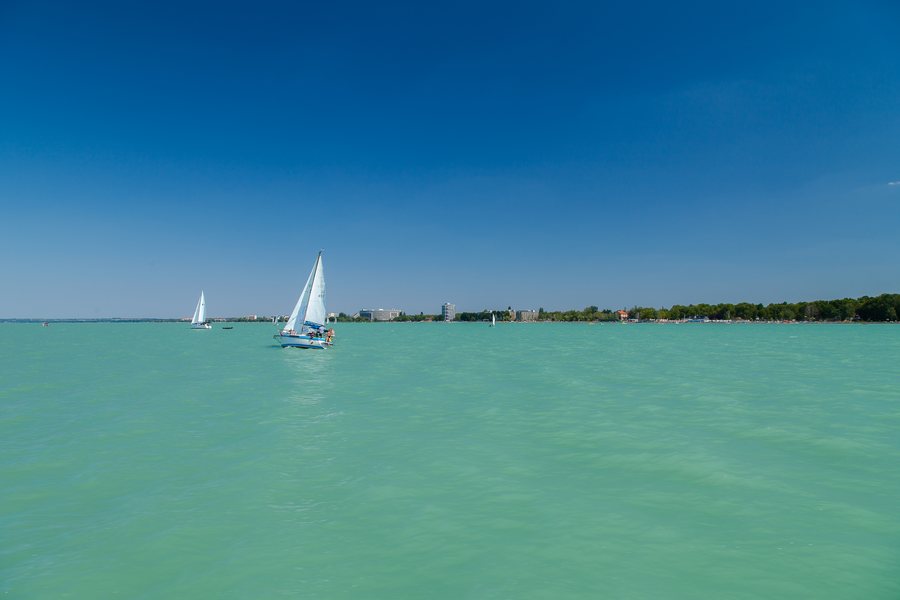 File:Lac lake Balaton Hongrie Hungary Siofolk photo picture image (9643295341).jpg
Photo: Grand Parc - Bordeaux, France from France via Source, CC BY 2.0
Protected landscapes and nature
The different protected areas in Somogy County showcase a variety of landscapes. The Barcsi Ősborókás Landscape Protection Area, with its sandy steppes and swamp forests, is considered representative of Inner Somogy. The Csokonyavisontai Fáslegelő Nature Reserve protects a diverse range of animal and plant life, as well as a form of land management that is increasingly being forgotten. The open areas south of Csokonyavisonta can be explored along an unmarked footpath. The forested areas can be reached by stopping on Road 86.
Baláta is also one of Somogy’s remarkable natural assets. The area lies between Kaszó and Szenta. In the wider region, the Dráva section of Duna-Dráva National Park near Barcs, between Bélavár and Szentborbás, covers 11,493 hectares across the territories of 19 municipalities. This section includes diverse habitats and rare, protected plant species, including Selaginella helvetica, which is rare in Hungary.
Historic places and regional culture
In Somogyvár, the Saint Ladislaus National Memorial Site offers a special perspective on the history of the monastery: from the three-storey observation tower, you can see the full ground plan and the surrounding panorama. Since 1989, the municipality has also hosted the Kupavári Napok, an annual event series associated with its founder, Saint Ladislaus. The programme may vary.
The open-air ethnographic museum in Szenna showcases the folk architecture of Somogy County and the Zselic Hills. The Krishna Valley offers a different focus: this nearly 300-hectare eco-community has been developing since 1993. In Babócsa, meanwhile, Basakert is a historic, protected ruin garden with a daffodil field. The twelve-hectare garden blooms every May, as it has for centuries, making it a clear seasonal landmark.
Activities and when to visit
If you would like to plan your trip around a natural spectacle, the May bloom in Babócsa can serve as a guide. The Kupavári Napok provides another date to plan around: the event series takes place every year, though its programme may change. This distinguishes a recurring event from a seasonal landscape experience as themes for planning a holiday.
For cyclists, the BalatonBike365 Kalandkör 400 includes a moderately difficult 43.62-kilometre stage between Balatonberény and Somogyvár. Route conditions and difficulty ratings may change, so check the latest information before planning. The regional Dráva network includes stops for water tourism along its section in Somogy County. Individual facilities may change as the network develops, so it is worth checking the latest information if you are planning a specific tour.
Choosing the right holiday apartment
When choosing a holiday apartment, it helps to first decide what you want to focus on during your stay: protected nature, historic places, the May daffodil bloom or a cycling stage all lead to different holiday plans. The destinations mentioned are in different municipalities; prioritising them by theme can help you plan your days around your own interests.
Discover more destinations: Baranya, Tolna, Pest, Győr-Moson-Sopron, Szabolcs-Szatmár-Bereg, Somogy, Fejér, Jász-Nagykun-Szolnok.
Return to the main travel overview: Hungary.

