
Áporka on the Soroksár Danube Branch
Accommodation in Áporka
Áporka lies on the Soroksár Danube Branch, and the Danube riverbank is an essential part of the municipality. The riverside landscape and local history give the place two distinct sides: alongside the natural environment are tangible traces of architecture and remembrance. If you are looking for a holiday rental in Áporka, you can use these themes as a basis for imagining your stay. This brings both the Danube and the local cultural heritage into focus.
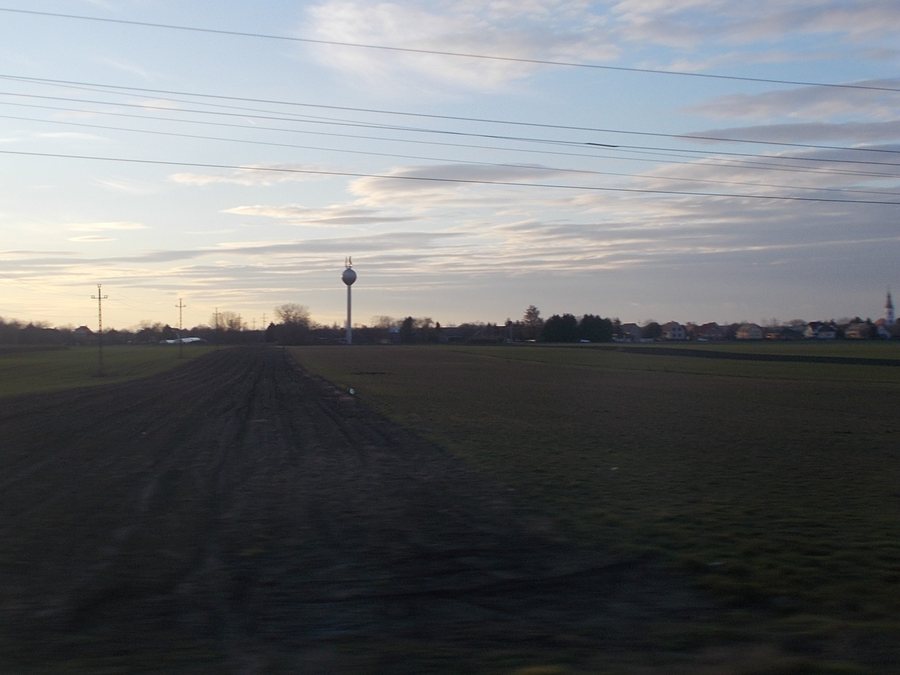
Riverside Landscape and Natural Environment
The Soroksár Danube Branch provides the geographical setting. The Hókonyai together provide a habitat for aquatic plants and animals and form part of the quiet, undisturbed river. They complement Áporka’s general setting by the water with a specific natural area that is part of the municipality’s character. A boat or canoe trip is recommended on the Danube riverbank near Áporka to experience nature. This gives you two different aspects to consider when planning your trip: the river as a habitat and a recommended activity on the water. You can weigh up whether you are more interested in the natural environment or would also like an active way to experience nature.
Church Architecture and Places of Remembrance
Áporka’s Reformed church was built in 1785 in the late Baroque style with Neoclassical features. The year of construction places the church in a particular period, while the two stylistic features give its architectural classification more definition than a single style label would. A memorial bearing the names of the heroes of the world wars stands beside the church. Áporka’s cemetery also has kopjafák, traditional carved wooden grave markers. These three details represent different cultural points of interest: church architecture, remembrance of the world wars, and a distinctive type of grave marker. If you are travelling with children, these differences can prompt questions about the place: What period is the church associated with? Which names are recorded on the memorial? What does the word kopjafák refer to? This offers a way to explore architecture and remembrance as distinct themes.
The “Zenés Nyári Esték” concert series is also associated with Áporka’s church garden. If you would like to include it in your travel plans, check the dates in advance.
What kinds of travel interests suit Áporka?
A recommendation to go boating or canoeing points to active nature experiences, while the church architecture and memorials lead into cultural history. If you are travelling with children, these themes can appeal to different interests within the family without requiring a fixed itinerary. When choosing a destination, consider whether riverside nature, local history, or the combination of both is the deciding factor for your trip. These specific interests can help you decide whether Áporka fits your ideas for a stay.
Discover more destinations
Discover more destinations: Szigetszentmiklós, Kiskunlacháza, Délegyháza, Szigetbecse, Dunaharaszti, Tököl, Szigethalom, Taksony.
To the broader travel guide: Ráckevei.

