
Zsámbék: Church Ruins, Winemaking Tradition and Nature
Accommodation in Zsámbék
Zsámbék combines striking architectural history with nature and culture, offering a variety of discoveries. The ruins of the Premonstratensian church date back to the 13th century; the Józsefvárosi pinceterület preserves the memory of winemaking traditions and offers a nature trail focusing on local wildlife, plant life and cultural values. There is also a shady place to relax in the centre, summer theatre and music experiences, and go-karting. When choosing a holiday apartment, consider whether architectural history, nature, culture or active pursuits should shape your stay. If you are travelling with children, you can take their different interests into account when planning together.
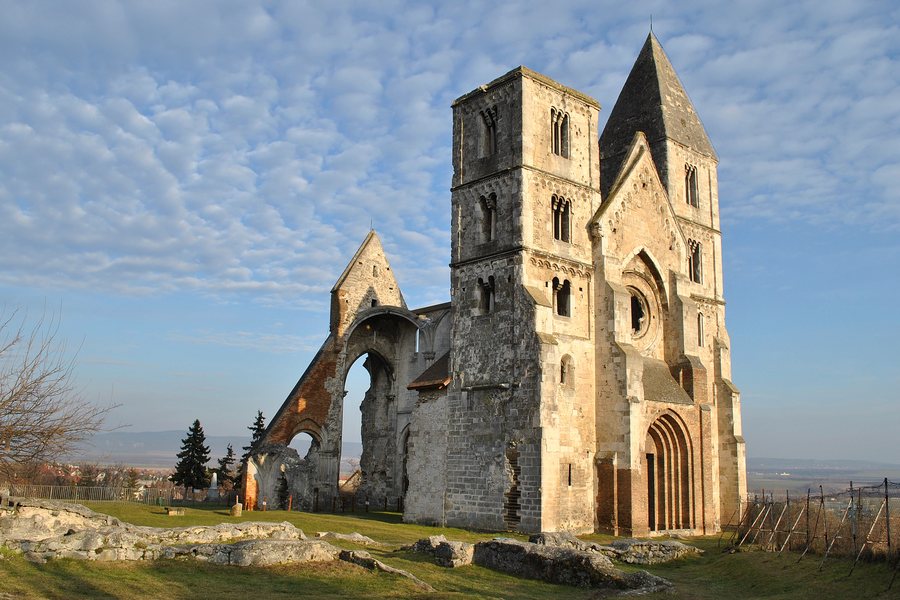 File:Premontrei prépostsági templom romja (7623. számú műemlék).jpg
Photo: Puffancs via Source, CC BY-SA 2.5 hu
Church Ruins and Baroque Landmarks
The ruins of the Premonstratensian church are the remains of a 13th-century church. Its three-aisled basilica was built in the late Romanesque and early Gothic styles. “Three-aisled” describes the layout of the church interior; the two styles also place the building within architectural history. A stone collection in the ruins of the former monastery next to the church is open to visitors.
Other architectural and commemorative sites offer different historical perspectives. The church in Zsámbék, dedicated to Saint John the Baptist, was built between 1749 and 1754. The Pestis Kápolna is a Baroque chapel on the Angyal-árok, at the edge of the settlement. The Baroque, richly decorated Immaculata Memorial is also part of Zsámbék’s history: it commemorates 828 victims of the 1739 plague epidemic. The medieval church ruins and Baroque landmarks thus stand alongside one another as clearly distinct points of interest.
Winemaking Tradition and Nature at the Józsefvárosi pinceterület
The Józsefvárosi pinceterület preserves the memory of the winemaking traditions of the German population that lived in Zsámbék until their resettlement. The area is also both a protected historic site and a nature reserve. This combination of cultural history and nature is reflected in the signposted nature trail, which is intended for visitors interested in the local wildlife, plant life and cultural values. Those who want to focus their stay on these themes will find a practical starting point for planning here. The winemaking tradition tells the story of the former population, while the nature trail also draws attention to the area’s natural and cultural heritage.
A Place to Relax, Cultural Events and Active Experiences
Zárdakert is a shady place to relax in the centre of Zsámbék. A pond, fountain and small paths characterise the area, offering a different kind of experience from visiting historic buildings. If you are looking for a quieter break, you can make this spot a separate focus of your day’s plans.
Zsámbéki Nyári Színház represents a summer tradition that has continued for four decades, featuring theatre, music and artists. If you are planning an evening there, check the specific event dates in advance. Bonzsák Kocsiszín Galéria is a cultural venue for regular exhibitions and visual arts programmes. Zsámbéki Zsöllyekert opened as a new cultural venue during the 2023 Pentecost celebrations; this marks its opening, not a specific current events calendar.
The area also offers smaller experiences that require specific planning: the local history fire service exhibition can be visited by prior telephone appointment; confirm the details before your visit. At Driving Camp, visitors can go-karting on a special track. Check with the operator for current availability. These distinctions may help when looking for a holiday apartment in Zsámbék: architectural history, nature and cultural themes, a quiet break or an active outing each offer a different focus for your stay.
Discover more destinations: Tinnye, Piliscsaba, Tök, Solymár, Pilisjászfalu, Üröm, Nagykovácsi, Pilisborosjenő
For the full travel overview: Pilisvörösvári.

