
Maglód: Farmhouse, Architecture and Dance Traditions
Accommodation in Maglód
Maglód brings together several cultural perspectives: a farmhouse more than 100 years old, a neo-Baroque church, traditional dances and events with a range of themes. Together, they tell the story of everyday life in the past, architecture and community traditions—a fascinating mix for a trip focused on cultural history and shared experiences.
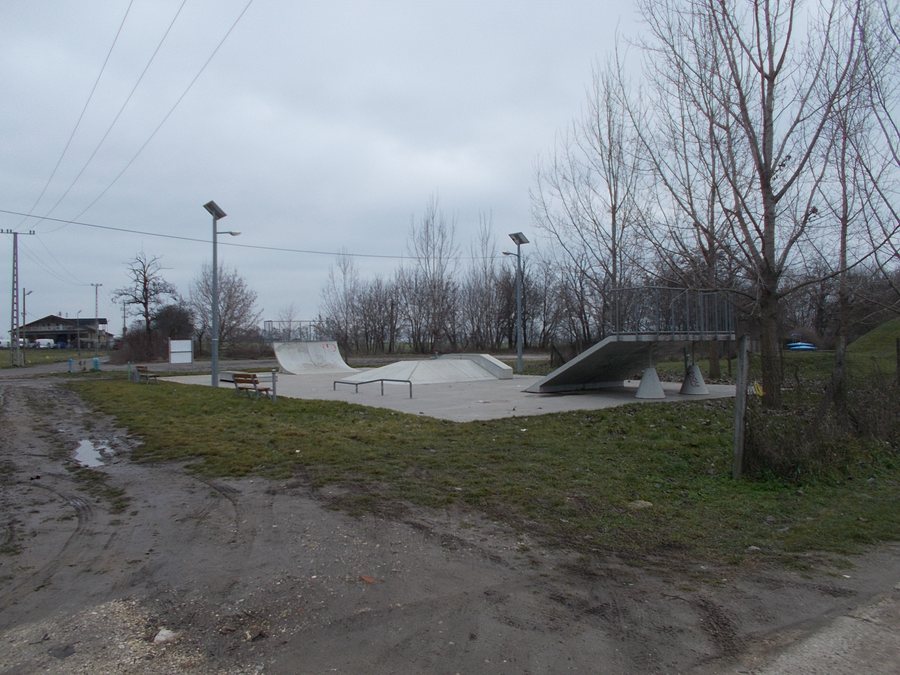 File:BMX- und Skateboard-Park, 2023 Maglód.jpg
Photo: Globetrotter19 via Wikimedia Commons, CC BY-SA 3.0
Farmhouse, church architecture and traditional customs
The Tájház is a farmhouse more than 100 years old and forms an organic whole with the MagHáz. It offers insights into the way of life in Maglód during the 19th and early 20th centuries. The house thus combines its historic appearance with a portrayal of everyday life in two distinct periods.
The municipal programme for 2020–2025 envisaged visits to the Tájház by prior arrangement during the MagHáz’s opening hours. If you are planning a trip now, we recommend checking current visiting arrangements in advance.
The Roman Catholic church in Maglód offers a different architectural accent. This single-nave, three-bay building was constructed in the neo-Baroque style to designs by vitéz Irsy László (1895–1981), an architect and teacher. “Single-nave” describes a building with one main nave; “three-bay” refers to its division into three bays. These terms help to define the architectural form described.
The Maglódi táncok (Maglód dances) are also listed among the town’s cultural values. Film footage from 1952 and 1972 shows Verbunk, Csárdás and Körcsárdás, as well as the Mars, performed as a wedding dance, and the Hungarian couples’ dance Magyar kettős. The recordings therefore encompass several named dance forms; the Mars and Magyar kettős are also given a specific classification.
Another traditional custom is decorating the Lutheran church in Maglód at Pentecost. It was added to Hungary’s National Inventory of Intangible Cultural Heritage in 2018. Alongside the documented dances, this church custom is also a focus of Maglód’s cultural history.
Events with a range of themes
The Vermesy Művészeti Napok (Vermesy Art Days) are an annual fixture in the cultural calendar: this free event takes place in the second week of October. The programme includes classical concerts, dance and contemporary painting. Specific dates and the programme may change from year to year, so check the details for the year you plan to travel.
The Maglódi Mesefalu (Maglód Storybook Village) was a municipal programme centred on fairy tales, where children and adults spent an afternoon together. It was first organised in 2013. In the years before the Covid-19 pandemic, it took place every year by the Ófalu brook, at the local heritage collection grounds; it could not be held in 2020 or 2021 due to the pandemic. This shared storytelling afternoon has a different focus from the Vermesy Művészeti Napok, which feature concerts, dance and painting.
Nature and travel planning
Nature is also protected in a clearly defined way: the source of the Maglódi 17 watercourse lies within the administrative area of Maglód and is protected by law as a nationally significant nature conservation category.
When looking for a holiday rental in Maglód, you can plan your travel dates around a specific cultural interest. If you want to attend the Vermesy Művészeti Napok, the dates for that year are key; if you are interested in local history, the Tájház, church architecture and traditional dances each offer a different focus.
Discover more destinations
Discover more destinations: Ecser, Gyömrő, Vecsés, Gomba, Pilis, Nyáregyháza, Vasad, Monor
For the broader travel overview: Monori.

