
Hollókő: Palóc heritage between village and castle
Accommodation in Hollókő
Hollókő Ófalu is an outstanding example of a consciously preserved traditional village. Hollókő is also still inhabited and is not an open-air museum. Traditional Palóc building styles and the historic layout of a village with a single street shape its character. Architecture and settlement structure sit alongside the everyday life of a living place. These features contribute to the enduring World Heritage significance of Hollókő Ófalu.
Village character and history
The Village Museum explores the way of life of a typical Palóc farming family. Since 1964, it has displayed their home, furniture, traditional dress and agricultural tools. This glimpse into domestic and working life complements the impressions of the village’s traditional building styles. If you plan to visit the museum, check the current visitor arrangements before your trip.
The Hollókő Post Museum offers a different focus. Its permanent exhibition, “A palócföld postája,” is spread across two rooms and covers the development of the Palóc postal network and related memorabilia. Anyone interested in everyday and regional history will find a distinct subject here alongside the village architecture and rural life.
Castle, nature reserve and educational trails
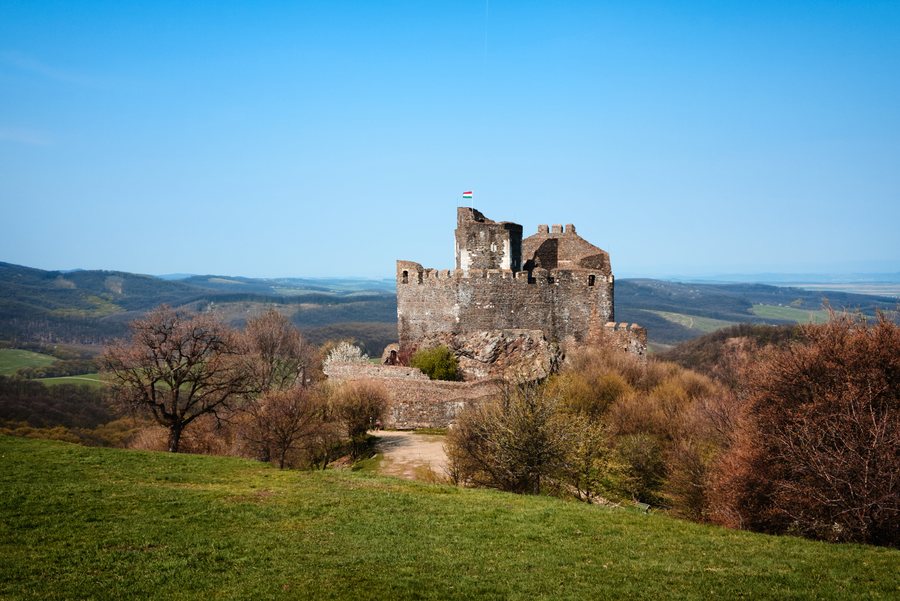
The medieval castle ruins stand on the hill above the village and are part of the World Heritage area. The castle’s interactive exhibition explores its history and legends. It features a knights’ hall, historic living quarters and a chapel. During guided tours, you can ask the castle staff questions; the Hollókői-vár app serves as a digital guide.
The Hollókő Landscape Protection Area covers only the administrative area of Hollókő. The entire area is freely accessible, with several hiking trails running through it. This makes the natural surroundings another focus of a visit, alongside the exhibitions and historic village.
The 4.5-kilometre Hollókő Biological Nature Trail runs around Vár-hegy and the tree-dotted pasture of Túlsó-mező. Along the trail, habitats typical of the Cserhát are introduced. The Kertek-alja educational trail offers a different perspective on the landscape: it runs through the valley of the Hollókői-patak, alongside the ends of gardens that extend down into the valley. The trails therefore differ in their described character: one takes in Vár-hegy and the pasture, while the other follows the valley and gardens.
The area’s history also includes earlier land use. A local trail explores the historic Kenderföldek, which lay beside the stream at the western end of Hollókő Ófalu. The village families grew the amount of hemp they needed on narrow plots.
Crafts and choosing your focus
At some craft workshops in Hollókő Ófalu, visitors can try pottery or weaving. What is offered may vary by workshop, so check in advance what is available. Together with the museums, castle and educational trails, this offers a broad choice of cultural and landscape themes, without every experience having the same focus.
When looking for a holiday apartment in Hollókő, it helps to weigh up your interests for the trip: village life and museum topics offer a different focus from the castle and landscape trails.
Discover more destinations
Discover more destinations: Nagylóc, Nógrádsipek and Szécsény.
Go to the main travel overview: Szécsényi.

