
Terény: Bobbin Lace, Folk Architecture and Bells
Accommodation in Terény
Terény brings together craft traditions, remarkable architectural forms and a range of museum themes. Works by local lacemakers, traditional folk architecture, and collections on technology and everyday life give the village its distinctive character. Terény is one of the communities in the Cserhát Nature Park. When planning a holiday, you can start by considering which themes interest you most: crafts and architecture offer a different focus from the history of technology or regional remembrance.
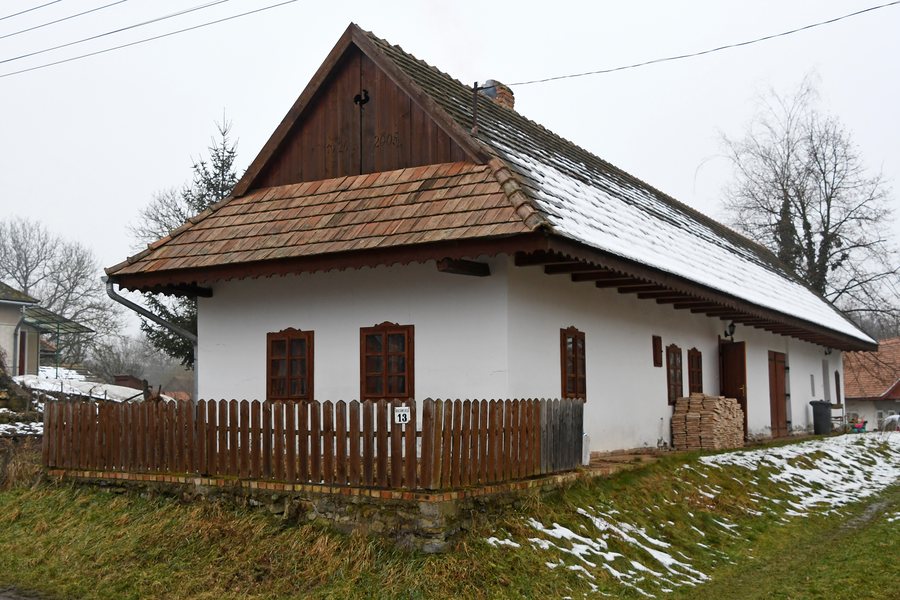 File:Terény, Bercsényi utcai népi lakóházak 2021 01.jpg
Photo: Pasztilla aka Attila Terbócs via Wikimedia Commons, CC BY-SA 4.0
Bobbin Lace and Architectural History
The Hunnia Csipkemúzeum in Terény displays works by local lacemakers. This makes bobbin lace a tangible aspect of the village’s craft heritage, alongside its architectural features. On Szőlősor Street, houses built around the turn of the century preserve features of traditional folk architecture. These include rare buildings with hipped roofs with clipped ends and plank gables. The different roof and gable forms lend distinctive details to the architectural setting.
The Roman Catholic church in Terény adds another dimension to the village’s architectural history: it was built in the Romanesque style and is already mentioned in the papal tithe register of 1332–1337. These years refer to the period covered by the register. The preserved features of the traditional houses and the historical mention of the church thus offer different ways of exploring local history: through architectural forms in one case, and through a written record dated to a specific period in the other.
Collections and Local Highlights
The Orsós magnó Múzeum has a different thematic focus. It features working exhibits and offers a technical and musical overview of the period from 1940 to 1990. This clearly defined period brings together the history of technology and music. By contrast, the Falumúzeum focuses on traditional tools, clothing and household furnishings. The old museum building is in considerable need of renovation.
Next to the Istálló Galéria is a movable bell tower. The manual ringing of bells is also one of the local highlights for visitors. Together, these themes do not form a single collection: they range from everyday objects and technological development to architecture and bell culture. Visitors choosing Terény for its cultural interests can therefore distinguish between several different areas of focus.
Kiskérpuszta lies in the destination’s surrounding area. Its granary was turned into a memorial site in 1993. A plaque connects Kiskérpuszta with Albert Szent-Györgyi’s childhood home. The memorial site therefore adds a distinct note of historical remembrance alongside Terény’s local collections and architectural forms.
More to Explore in the Wider Destination of Neuburg
The wider destination of Neuburg has other distinct places of interest. The old village of Hollókő is a Palóc settlement in Nógrád County in northern Hungary. It is a deliberately preserved, living example of rural life before the 20th-century agricultural revolution. This view of an entire settlement differs from Terény’s focus on individual streets, buildings and collections.
The Boszorkány-kő geological trail offers a different perspective. It lies in the Karancs-Medves Landscape Protection Area, established in 1989 and currently covering 6,928.6 ha, and illustrates basalt volcanism from 2.4 to 5.2 million years ago. The rocks of a small fissure volcano include sediment inclusions torn from the depths, curved lava sheets and basalt columns formed through weathering. Comparing it with Hollókő highlights the different themes within the wider destination of Neuburg: preserved rural life in one place, geological formations in the other.
For families with different interests, this contrast can be a practical aid when planning. Terény brings together its local crafts, architecture and collections; in the wider destination of Neuburg, Hollókő and Boszorkány-kő represent village history and geology, respectively. If you are looking for a holiday apartment in Terény, you can first consider whether the village itself should be the main focus of your stay or whether you would also like to plan around other distinct places of interest in the wider destination. This lets you guide your search by the focus you want, rather than assuming that the location of your accommodation should be chosen independently of your interests.
Discover more destinations: Szügy, Drégelypalánk, Bercel, Hont, Csitár, Érsekvadkert, Nógrádmarcal, Balassagyarmat
To the overview of the wider destination: Balassagyarmati.

