
Fegyvernek: River History and Architectural Heritage
Accommodation in Fegyvernek
Water and diverse examples of architectural history shape Fegyvernek. The Alsóréti Holt-Tisza was formed by a river cut-off; a Baroque statue of Nepomuki Szent János stands in Fegyvernek-Szapárfalu, and the Pusztatorony is a Gothic architectural monument. This means you can consider riverside activities and historic architecture as distinct priorities when planning your trip.
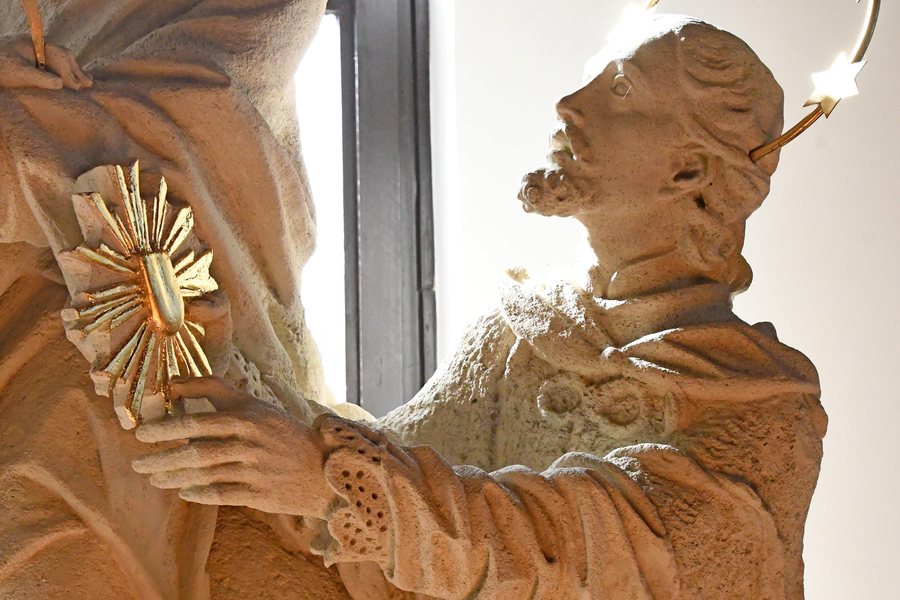 File:Fegyvernek, Nepomuki Szent János-szoborcsoport 2023 18.jpg
Photo: Pasztilla aka Attila Terbócs via Wikimedia Commons, CC BY-SA 4.0
Water Landscape and River History
The Alsóréti Holt-Tisza was formed in 1856, when a natural riverbed developed as a result of the 74th Tisza cut-off. The waterway lies along the administrative boundaries of Fegyvernek, Nagykörű and Törökszentmiklós. Its formation connects the landscape with a specific chapter in the river’s history.
The Holt-Tisza, which extends into Fegyvernek, offers opportunities for fishing, walking and relaxing by the water. This gives you a choice of different ways to spend your free time: a stay focused on fishing, getting out for a walk, or taking a quieter break by the water. For your planning, this is a different focus from the town’s architectural history; you can take both interests into account when choosing your accommodation.
Church, Statue and Gothic Monument
The Nepomuki Szent János statue is located in Fegyvernek-Szapárfalu on Main Road 4, between kilometre markers 128 and 129. It was erected in 1775 in the Baroque style. A brick structure protects the statue group. The shelter has a triangular ground plan and triangular pillars, as well as a hipped roof covered with shingles.
The Fegyverneki Református Templom is situated on the main road in Fegyvernek and is aligned along an east–west axis. A gate and entrance hall stand in front of the eastern main façade. At the northern corner of the entrance hall is a tower with a pyramidal spire; an extension adjoins the west side and encloses the liturgical space. The entrance, tower and western extension give the architecture a clearly articulated form.
The Pusztatorony in Fegyvernek is a Gothic architectural monument built around 1480. The Gothic tower and the Baroque statue bring architectural styles from different periods into focus in Fegyvernek. Those interested in historic architecture can compare very different features: the style of the statue, the church’s orientation and layout, and the period in which the tower was built in the Gothic style.
More Interests for Trip Planning
Those interested in horse riding and trail rides can include the Németh tanya on the outskirts of Fegyvernek in their trip plans. Together with the opportunities at the Holt-Tisza, this offers a different focus from exploring the town’s buildings.
More Highlights in the Wider Jász-Nagykun-Szolnok Destination
In the wider Jász-Nagykun-Szolnok destination, the Tisza-tó, in the northern part of Jász-Nagykun-Szolnok County, serves as a tourist hub. The lake and its surroundings are among the region’s outstanding areas for cycle tourism. The international EuroVelo II cycle route also runs along the Tisza through Jász-Nagykun-Szolnok County. These regional connections offer distinct highlights alongside Fegyvernek’s river and architectural history.
In the wider Jász-Nagykun-Szolnok destination, the Tiszakürt Arboretum is of national botanical significance and has been a nature reserve of national importance since 2001. It is home to more than 1,000 plant species and varieties and also provides a refuge for native flora and fauna. The Öregkert area has a signposted network of walking trails 3.5 kilometres long.
Culture enthusiasts will also find a distinct point of interest in the wider destination: the Kiss-Pál Museum in Tiszafüred is one of Hungary’s oldest rural museums. It is housed in a Neoclassical manor house built by the Lipcsey family in the first half of the 19th century. Two permanent exhibitions focus on Tiszafüred’s approximately 7,000-year archaeological past and on an ethnographic collection featuring outstanding objects from the 17th and 18th centuries. If these exhibitions are important to your plans, check the exhibition details before your trip.
When looking for a holiday rental in Fegyvernek, you can first consider whether riverside activities, the town’s architectural history, or a broader combination of regional nature and cultural interests will shape your stay. The local sights and leisure activities provide a focus of their own; the arboretum, Tisza-tó and museum offer additional regional interests.
For the wider travel overview: Törökszentmiklós.

