
Discover Petőfibánya
Accommodation in Petőfibánya
Petőfibánya: mining history and cycling access
Petőfibánya combines a local mining heritage with a special way to arrive. An F4 coal-winning machine is on display at Bányász Emlékpark. The exhibit draws attention to the technical side of coal extraction and provides a tangible focal point for the town’s story.
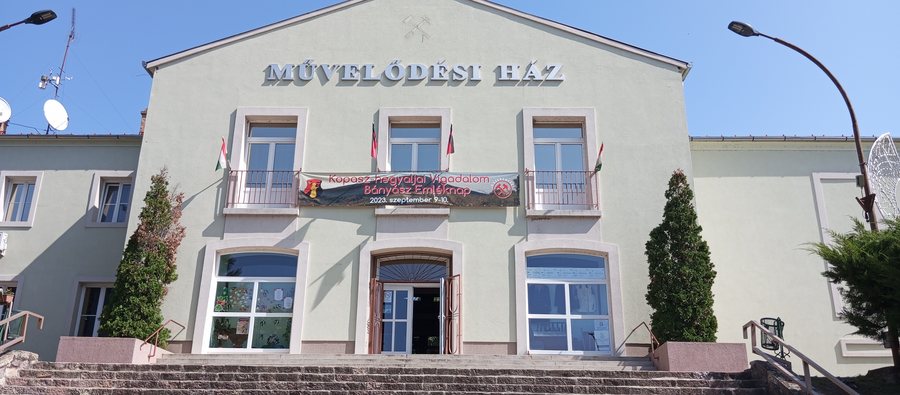
Mining in Petőfibánya was also connected with technology: cutting machines were used to take on the miners’ heavy underground work. Together, the machine named in the park and the role of cutting machines offer two different ways to approach mining history: a specific piece of equipment and work underground. Those interested in industrial and technological history will find a clear theme here.
Petőfibánya can be reached by bicycle from the direction of Lőrinci–Selyp. This indication of direction can serve as a guide when planning your journey; if you are planning a specific cycling route, check its current course and conditions. This will help you decide whether mining heritage or arriving by bicycle should be the main focus of your trip.
More themes in the wider destination of Heves
The wider destination of Heves offers themes ranging from landscape conservation and nature trails to regional cultural heritage. These examples provide distinct focal points for planning a trip.
In the southern part of Heves County lies the Hevesi Füves Puszták Landscape Protection Area, a protected area covering 16,114 hectares. It was designated in 1993 and reached its current extent following expansions in 2005 and 2008. This timeline makes the development of the protected area easy to follow; its size also offers a different scale from a single local exhibit.
Among the nature trails, the 6.5 km Ilona Valley Nature Trail, which begins at Ilona Stream, has its own focus: it passes geological features of the Eastern Mátra Mountains and traces of earlier ore mining. Geology and the mining past are brought together here. By contrast, the Pély-Ludas Nature Trail focuses on the grassland habitats of the Heves Plain. These include salt steppes, marshes, bodies of water, scrubland, semi-natural woodlands and forests, as well as their wildlife and the European roller population. Its focus is therefore on habitats and wildlife rather than geology and historical ore mining. You can choose a nature trail according to which perspective interests you more.
The cultural themes also differ. The Szépasszony Valley includes Eger’s largest contiguous area of wine cellars; wine culture and the gastronomy associated with it are among its most important tourist attractions. Hevesi szőttes represents a different kind of heritage: it is a textile cultural heritage from Heves County, associated with Heves, Mátraderecske and Bodony. In Heves, you can compare wine and gastronomic culture with regional textile heritage.
The wider destination of Heves also offers different themes for active trip ideas. The Heves County section of the Országos Kéktúra includes an ascent of Kékestető, Hungary’s highest point. In winter, fans of active tourism can enjoy winter sports at Kékestető. This puts a route featuring an ascent alongside a seasonal winter activity as two different reasons to plan a trip.
When looking for a holiday rental, you can first decide what to focus on during your trip: in Petőfibánya, the main themes are mining history and the stated accessibility by bicycle; examples from the wider destination of Heves add nature trails, culture and active tourism. Shape your search around the themes that will define your trip most.
Discover more destinations: Hort, Hatvan, Ecséd, Boldog, Rózsaszentmárton
Back to the main travel overview: Hatvani.

