
Bátor: Nagy-oldal, the Nature Trail and History
Accommodation in Bátor
At the southern edge of Bátor, the Nagy-oldal nature reserve rises above the valley of the Laskó stream. Its steep slope, with reddish-brown rock outcrops, gives the place a distinctive natural character: the outcrops reveal rocks of different ages. Nagy-oldal has been protected since 1978. Those choosing Bátor for a trip will find not only cultural-history points of interest here, but also a landscape whose geological development invites exploration.
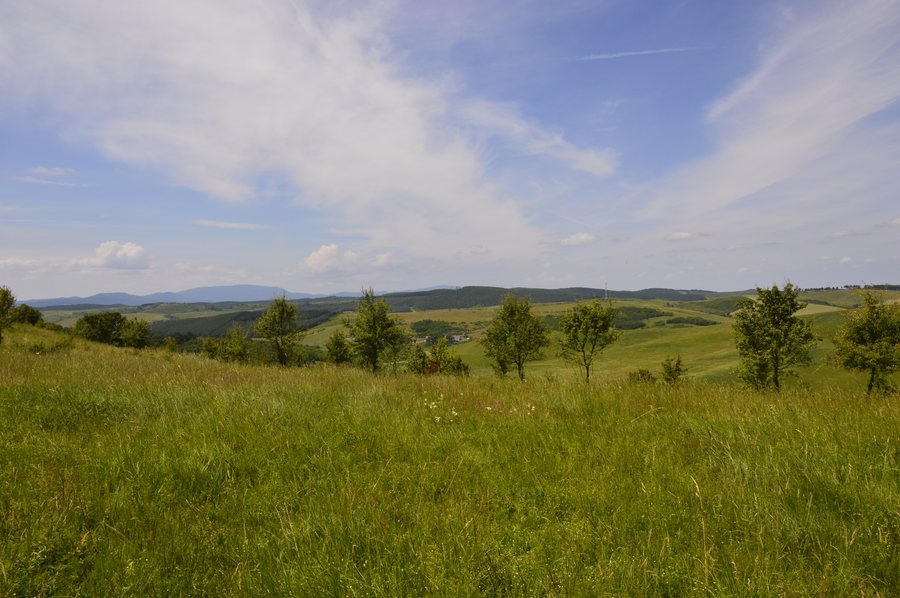
Nagy-oldal and the history of the Earth along the nature trail
The Bátor Nature Trail explores the region’s nature, geology and cultural history. It offers insights into the unique, locally protected flora and fauna of Nagy-oldal, while also introducing visitors to the history of the Earth. The trail’s story spans volcanic activity on the seabed 165 million years ago through to the formation of lignite deposits. This covers a vast stretch of time: from processes on the seabed to geological processes associated with lignite. The history of Bátor is also part of the trail; it reaches back almost 3,000 years to the Bronze Age.
Marked with a blue T, the nature trail starts in the town centre at the Tourist Centre. There, you can learn about the route and find information brochures. The Bátor Nature Trail also connects with the National Blue Trail (OKT-22). When planning your trip, you can therefore use both the local trail’s themes and this named hiking route as a guide.
Architectural history in the town
The town’s architectural history also offers tangible points of interest for a cultural-history visit. In front of the Roman Catholic parish church of St Imre stands a carved stone cross erected in 1903. The date of the church’s construction is a separate detail: work on Bátor’s new church began in 1775. The town’s rectory was built earlier, in 1772, in the late Baroque style. Visitors interested in historic buildings can explore these different dates and structures as separate themes while discovering Bátor.
The architectural heritage also includes the Erdészház, a forester’s lodge built in the Baroque style in the mid-19th century. For a travel group with different interests, this offers a choice of themes: nature and protected flora and fauna, the history of the Earth along the nature trail, or historic buildings can each take centre stage.
Choose Bátor as a holiday destination
If you are looking for a holiday apartment in Bátor, considering what you want from your trip can help you choose where to stay. If you are especially interested in Nagy-oldal, geology and nature, the nature trail offers several related themes. If architectural history is to take centre stage, the church, rectory, stone cross and Erdészház offer other areas to explore. If you are travelling with children, you can decide together whether nature observation, the long history of the Earth or historic buildings should be the focus of your outings.
The neighbouring village of Bükkszékfürdő is known for its saline Salvus waters. This adds another nearby point of interest to the region’s attractions. For more destinations at this level: Bélapátfalva, Bekölce, Nagyvisnyó, Balaton, Mónosbél, Szilvásvárad, Bükkszentmárton and Mikófalva.
For the broader travel overview: Bélapátfalvai.

