
Holiday apartment in Sopron
Accommodation in Sopron
Sopron combines a distinctive historic city center with regional cultural and landscape impressions. Winding streets, old city gates, colorful houses and a dense concentration of listed buildings shape the townscape. Beyond the city, the wider Fertő area opens up an independent cultural and landscape context.
If you would like to place Sopron in a regional context, you will find the appropriate overview of the wider surroundings under Sopron–fertődi.
Quick facts about Sopron
- Townscape: historic city center with winding streets, old gates and colorful houses
- Landmark: the Fire Tower with a building history ranging from Roman foundations to the Baroque period
- Culture: including the Central Mining Museum and the Pauline-Carmelite complex in Sopronbánfalva
- Connection to nature: the park forest adds a nature-oriented side to the historic offering
- Wider area: The broader Fertő area stands for cultural heritage, vernacular architecture, wine culture and diverse natural landscapes
Historical Sopron: city center, Fire Tower and museums
The historic city center and the main square are important places to get to know Sopron's character. The Fire Tower is especially distinctive. It is considered the city's landmark and combines architectural layers from Roman foundations through the Middle Ages and the Renaissance to the Baroque period.
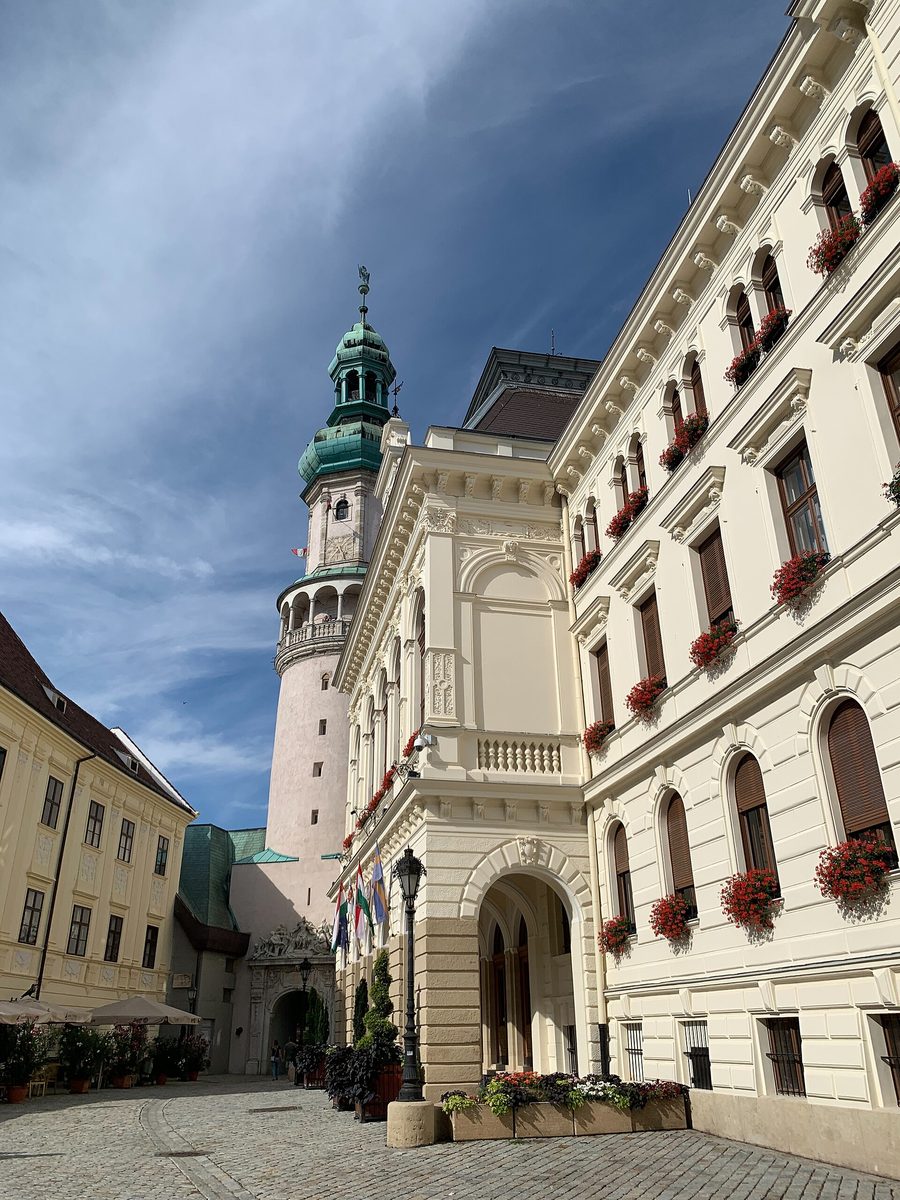
The Central Mining Museum in the center and the Pauline-Carmelite complex in Sopronbánfalva complement the historic city walk with different cultural sites. This means Sopron can be discovered through its townscape, a distinctive landmark, and individual museums and listed buildings.
Combining city and nature
Sopron's park forest adds a nature-oriented dimension to the historic city experience. Anyone who wants to get to know not only monuments and museums but also the natural side of the town will find a suitable complement to their stay there.
The wider Fertő area forms an independent regional context. It is associated with cultural heritage, vernacular architecture, monuments, wine-growing and wine culture, as well as different natural landscapes. The cross-border Fertő region also offers cultural, landscape-related and nature-based excursion themes. These destinations belong to the wider surroundings and are not automatically part of Sopron itself.
Which location suits your stay?
If your focus is on historic Sopron, the relationship of a holiday apartment to the historic center is the most important selection criterion. For a stay centered on the main square, Fire Tower and museums, a location that places this part of the city at the center is therefore suitable. No specific walking time or accessibility can be inferred from this.
If you want to combine Sopron with the wider Fertő area, you should also take individual mobility and planned excursions into account. The regional diversity of culture and landscape supports this travel idea, but says nothing about specific routes, distances or means of transport. This leaves two different planning options: a stay focused on the historic city area or a trip with additional regional context.
Frequently asked questions about Sopron
What is Sopron particularly suitable for as a travel destination?
Sopron is particularly suitable for combining a historic city visit with regional cultural and landscape impressions in the wider Fertő area.
What experiences combine city and nature?
In the city area, historic sights such as the Fire Tower are at the center. The park forest and the wider Fertő area complement the stay with nature-oriented impressions.
Which location is suitable for a stay in Sopron?
For a historic city stay, the relationship to the old town is crucial. If you additionally include the wider Fertő area, you should take individual mobility and the planned routes into account.

