
Csorna: Abbey, Museum and Bowling Alley
Accommodation in Csorna
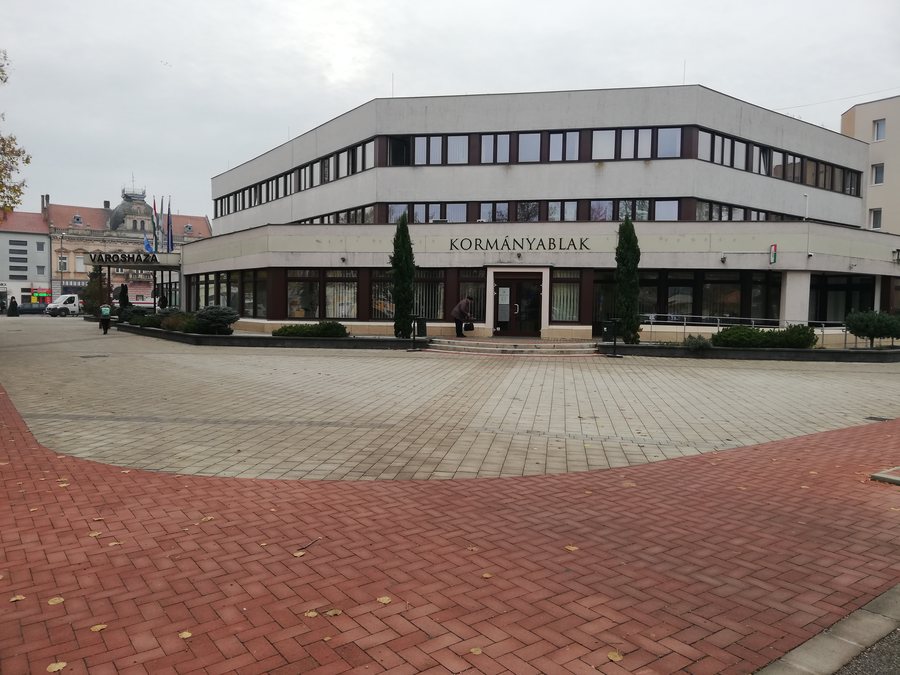
Csorna combines abbey history with exhibitions about the region and a leisure option that offers a different note: the bowling alley. The abbey’s history dates back to its founding in 1180; at the Csornai Múzeum, both the history of the area and the culture of the Rábaköz are in focus. Choosing this destination lets you explore different interests, from religious history and regional exhibitions to bowling.
Csorna Abbey: History and Visits
Csorna Abbey was founded in 1180 by a member of the Osl noble family, primarily for religious reasons. Tourist groups can take a guided tour led by priests if they register in advance. If you plan to include this visit in your trip, contact the abbey ahead of time to confirm the current arrangements.
Permanent Exhibitions at the Csornai Múzeum
The permanent exhibitions at the Csornai Múzeum explore two subject areas: the history of the Csorna area and centuries of urban and folk culture in the Rábaköz. The latter includes markets and crafts. The exhibition “A Történelem Peremén – A Rábaköz Szívében” opened in 2019; “Csornai vásárok és mesterségek” opened in 1990 and was renewed in 2000. Together, the exhibitions offer both a local and an explicitly regional perspective on history and everyday culture.
Bowling in Csorna
As a leisure option, the bowling alley adds to Csorna’s cultural attractions. Lanes are reserved through a booking system. If you would like to include bowling in your plans, check the current booking process with the provider in advance.
More Topics in the Wider Destination of Győr-Moson-Sopron County
The wider destination of Győr-Moson-Sopron County encompasses distinct landscape and cultural heritage themes. The Fertő/Neusiedler See Cultural Landscape includes Eurasia’s westernmost steppe lake, as well as wetlands, saline soils, reed beds, and shoreline areas. Lake Neusiedl forms the core of Fertő-Hanság National Park; the Hungarian part of the lake has been protected since 1977. The Fertő-táj Cultural Landscape was granted UNESCO World Heritage status on 13 December 2001.
Another landscape perspective is offered by the Pannonhalmi Tájvédelmi Körzet Landscape Protection Area, covering 8,272 hectares. Its two main areas are the Pannonhalma Hills and the calcareous sand steppes of Kisalföld. The hills consist of three roughly parallel ranges: Szemere, Csanak, and Pannonhalma.
Pannonhalma Archabbey is also among the region’s cultural heritage themes: the Benedictine monastery was founded in 996. The World Heritage property of the archabbey and its natural surroundings includes the monastery complex, basilica, educational buildings, the Chapel of Our Lady, the Millennium Chapel, and botanical and herb gardens.
An electric boat trip on Lake Neusiedl lets you explore the reed channels and bays along the western shore. You can observe aquatic wildlife, reed warblers, great egrets, purple herons, and various ducks. Check the tour dates and booking conditions in advance.
When choosing a holiday apartment, it helps to keep the themes distinct: the abbey, museum, and bowling alley are associated with Csorna; lake and Pannonhalma themes belong to the wider destination of Győr-Moson-Sopron County. Base your search on the focus you want and consider the places mentioned as distinct travel destinations.
Discover more destinations: Egyed, Jobaháza, Kóny, Tárnokréti, Farád, Szany, Bogyoszló
Back to the wider travel overview: Csornai.

