
Discover Lepsény: Churches and Memorials
Accommodation in Lepsény
Lepsény combines its location in the Mezőföld region with a local history made tangible through its churches and memorials. The Magyarok Nagyasszonya parish church and the Reformed church represent different construction phases and architectural styles; a gravestone dating from 1828 and a memorial to those who fell in the First World War add to the historical landmarks. Several clearly datable chapters give the local history its contours.
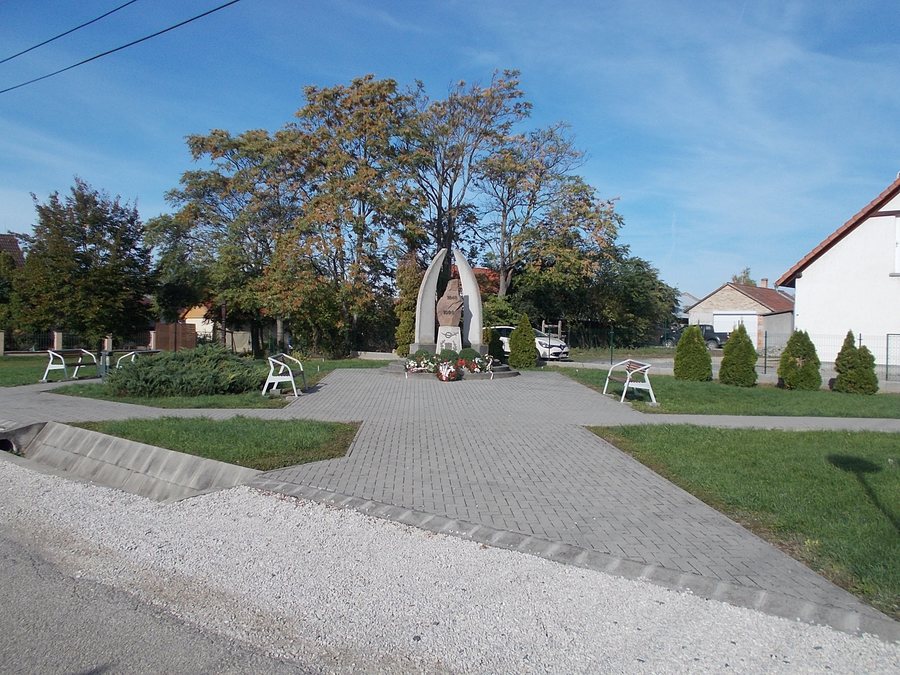 1848-49 Revolution Denkmal, Park, 2024 Lepsény.jpg
Photo: Globetrotter19 via Wikimedia Commons, CC BY-SA 4.0
Location in the Mezőföld
Lepsény is located in the Mezőföld region, in the southwest of Fejér County on the border with Veszprém County. This provides a clear geographical point of reference. The buildings and memorials add their own cultural-historical focus, which can be explored through their different dates and architectural styles.
Two churches, different building histories
The Magyarok Nagyasszonya parish church in Lepsény was remodelled in 1902 by Count Ferenc Nádasdy in a Gothic Revival style; the chancel, which had already been built in 1728, was incorporated into the design. The two dates point to different construction phases: the older chancel and the later remodelling. “Gothic Revival” describes a design inspired by Gothic architecture, and thus an architectural style, not the age of the building.
The Reformed church on Fő utca was built in 1897 in the historicist round-arched style, using a Roman Catholic church from the 16th century. Historicism takes earlier architectural styles as its models; the round-arched style refers to a different architectural direction from the Gothic Revival style. The building histories can therefore be compared: the parish church incorporates the chancel dating from 1728, while the Reformed church uses an older Roman Catholic church. The dates 1728, 1897 and 1902 help place these different construction phases in chronological context.
Gravestone and remembrance
A gravestone dating from 1828 stands in the parish churchyard. Another historical landmark is the memorial to the soldiers from Lepsény who fell in the First World War. It was dedicated on 6 June 1937. The dates place the churches in a broader historical context: the gravestone dates from an earlier period, while the memorial commemorates those who fell in the First World War and, with its dedication date, marks a later point of reference.
Local history or nature?
In the wider destination of Székesfehérvár, the reed beds along Lake Velence are home to thousands of waterbirds. This natural setting offers a different focus from Lepsény’s church and memorial history: here, the emphasis is on building phases and local remembrance; there, on reeds and birdlife. When choosing your destination, you can consider which focus you would like to shape your holiday more. If you are looking for a holiday rental, this can help you tailor your search to your interests: Lepsény’s local history or the broader nature theme of the wider destination of Székesfehérvár.
Discover more destinations
Back to the broader travel overview: Enyingi.

