
Kulcs: Danube banks, fishing and history
Accommodation in Kulcs
Kulcs’s picturesque Danube banks are linked by walking trails, a history of fishing and evidence from several eras. The town can be explored in different ways, whether by the water and along marked trails or by discovering houses, churches and archaeological traces. If you are looking for a holiday rental in Kulcs, you can first consider whether the riverbanks and angling or the town’s history should be the focus of your trip.
Trails, riverbanks and angling
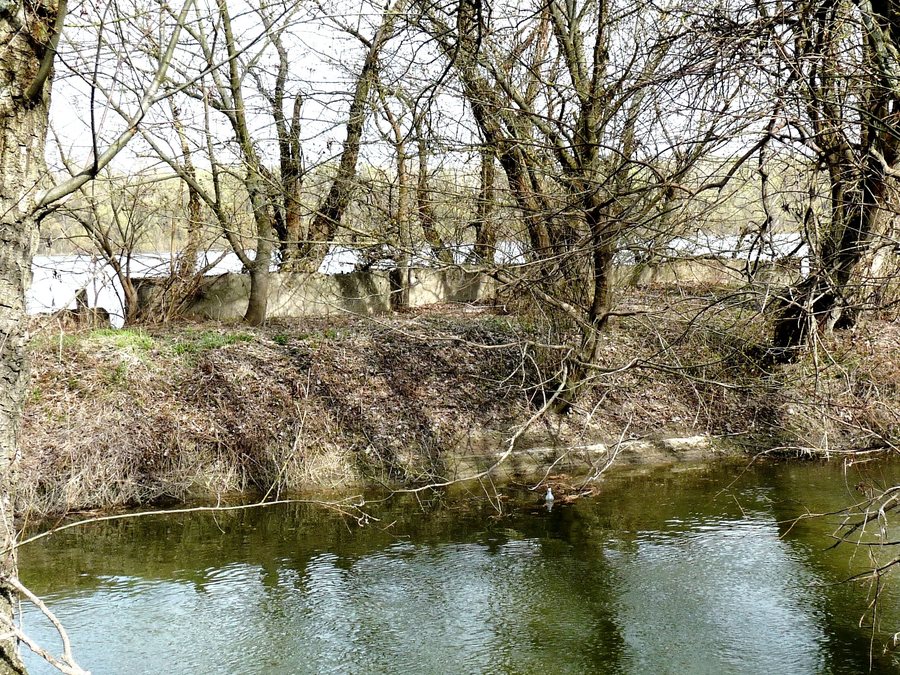
The municipal development plan for 2030 places the Máriaút in the Kulcs area along Kossuth Lajos Street. It also identifies a red-marked hiking trail in the Kulcs recreation area near the Danube banks. These offer different points of reference: the street for the Máriaút, and the trail markings and location in the recreation area for the red-marked trail.
The stretch of Danube bank accessible on foot in Kulcs is consistently gravelly, unpaved and accessible to people with limited mobility. According to a municipal planning document from 2020, anglers come to Kulcs from all over Hungary. The World Spinning Fishing Championship was held here in 2019. Fishing therefore has both a specific historical connection and a nationwide angling association documented in the 2020 plan.
Townscape, archaeology and churches
Several residential houses with verandas stand in Kulcs’s Ófalu (Old Village), preserving the traditional character of the settlement. They are set along the side boundary of their plots, have a single row of rooms and feature gabled roofs. Their position describes how they are situated on the plot, while the single-row layout and gabled roof further characterise their design. A gabled roof consists of two sloping roof surfaces.
Roman Limes frontier fortifications and Avar-period grave finds provide evidence of earlier settlement in the Kulcs area. Academician István Bóna played a significant role in uncovering the Avar-period grave finds. His dissertation brought Kulcs to attention in international archaeological literature as a rare Hungarian site of the Late Avar culture.
The Catholic Chapel of the Sacred Heart stands next to Kulcs Primary School. It was built in the first half of the 20th century at the initiative of Gyula Csöngedy, the dean of Adony; local residents supported its construction with their labour and financially. Kulcs’s Reformed church is a timber building with a Hussar tower and was built in 1942. The chapel’s history highlights the initiative and local contributions, while the Reformed church is characterised by its design and year of construction.
Nature in the wider destination
In the wider destination of Székesfehérvár, the reed beds at Lake Velence are home to thousands of water birds. This is a distinct natural attraction in the wider destination, complementing Kulcs’s Danube banks and historic buildings with a focus on reeds and birdlife.
The boat landing
The building of the Kulcs boat landing and its surroundings are also used as an event venue. An article from 2024 described the municipally owned building as recently renovated.
Discover more destinations: Pusztaszabolcs, Adony, Iváncsa.
Go to the wider travel overview: Adonyi.

