
Tokaj: Wine, Rivers and Culture
Accommodation in Tokaj
Tokaj combines the landscape at the foot of the 514-metre-high Kopasz-tető with the region’s wine and grape-growing culture and experiences on the water. Between the Tisza and Bodrog, you’ll find options for all kinds of holiday activities: exhibitions tell the story of winegrowing and regional history, while the Tokaji Vízitúra Központ organises tours on the rivers and through the waterscape. When choosing a holiday apartment, you can consider whether culture, wine cellars or active time on the water will shape your trip.
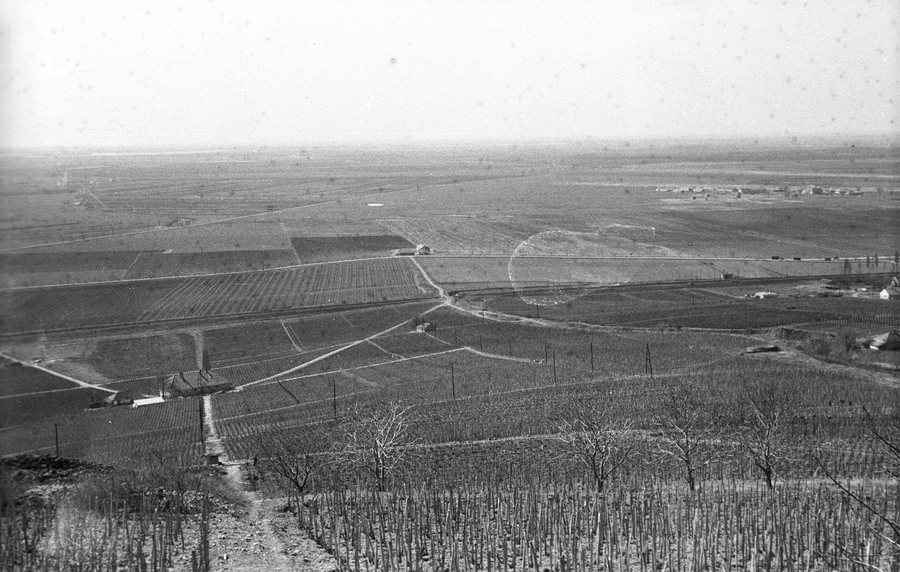 File:Tokaj 1965, Szőlőültetvény. Fortepan 46520.jpg
Photo: FOTO:Fortepan — ID 31368 : Adományozó/Donor: Mészáros Zoltán. archive copy at the Wayback Machine via Source, CC BY-SA 3.0
Tokaj Between Mountain and Rivers
The town lies between the Tisza and Bodrog rivers at the foot of Kopasz-tető, also known on maps as Tokaji-hegy. At 514 metres, the mountain is a distinctive landmark in the landscape. The confluence of the Tisza and Bodrog is also part of the town’s character: the World Heritage Wine Museum is located there. The mountain and the river landscape thus offer two different perspectives on Tokaj to consider when planning your trip.
Wine and Town History in Exhibitions
The Tokaji Múzeum is in the historic town centre, a few steps from the main square, and presents Tokaj-Hegyalja across four exhibition levels. Its ethnographic collection includes objects documenting wine and grape-growing culture, traditional winegrowing equipment and tools of the cooper’s trade. Wine storage and transport are also part of the collection. The focus therefore extends beyond the finished product to the activities and objects involved in its production and distribution.
The World Heritage Wine Museum is also about more than individual wines: it presents the history, culture and wines of European World Heritage wine regions. The exhibition at the Világörökségi Bormúzeum also covers the production process, the landscape and the people. These subjects offer different cultural points of focus for your trip, from specific tools and objects to the connections between wine and landscape.
A Historic Cellar and Wine Culture
Wine tastings take place in the Rákóczi Cellar in the centre of Tokaj. They are held in the impressive Knights’ Hall; the cellar is one of the largest underground cellars in the Tokaj wine region. It was built at the beginning of the 15th century. Here, a historic site meets a contemporary tasting experience. If you are particularly interested in wine and its history, this offers a different focus from the museums’ collections and exhibitions.
Canoeing on the Tisza and Bodrog
If you’d rather explore Tokaj from the water, the Tokaji Vízitúra Központ is a canoe and water-tour base on the Bodrog, near the Fesztiválkatlan. The centre organises tours and hires out watercraft with equipment. Its offerings include rental boats as well as paddles, life jackets, required equipment and barrels. Guided tours and circular routes lead into the nearby waterscape and along the Bodrogzug water-tour routes.
The centre is also a starting point for tours on the Tisza, the Bodrog and through the Bodrogzug. This puts different bodies of water and types of tours at the heart of your visit, so you don’t have to focus your stay solely on wine and museums. For families, the variety of subjects offers a good opportunity to decide together whether to spend a day exploring collections and local history or taking an organised water tour. Which side of Tokaj appeals to you most may also influence where you choose to stay in a holiday apartment.
Other places at the same level: Erdőbénye, Bodrogkeresztúr, Szegi, Tarcal, Tiszaladány.
To the higher-level travel overview: Tokaji.

