
Discover Szikszó: Churches, the Hernád and a History of Winemaking
Accommodation in Szikszó
Szikszó combines a layered local history with a distinctive river landscape. Two churches reflect different architectural influences; a memorial plaque commemorates 629 victims, and the Hernád forms the town’s eastern boundary. Winemaking is also part of the town’s history. So when choosing a holiday rental, the first question is whether you want to focus on Szikszó’s own cultural and river-related attractions or plan to explore other aspects of the wider destination.
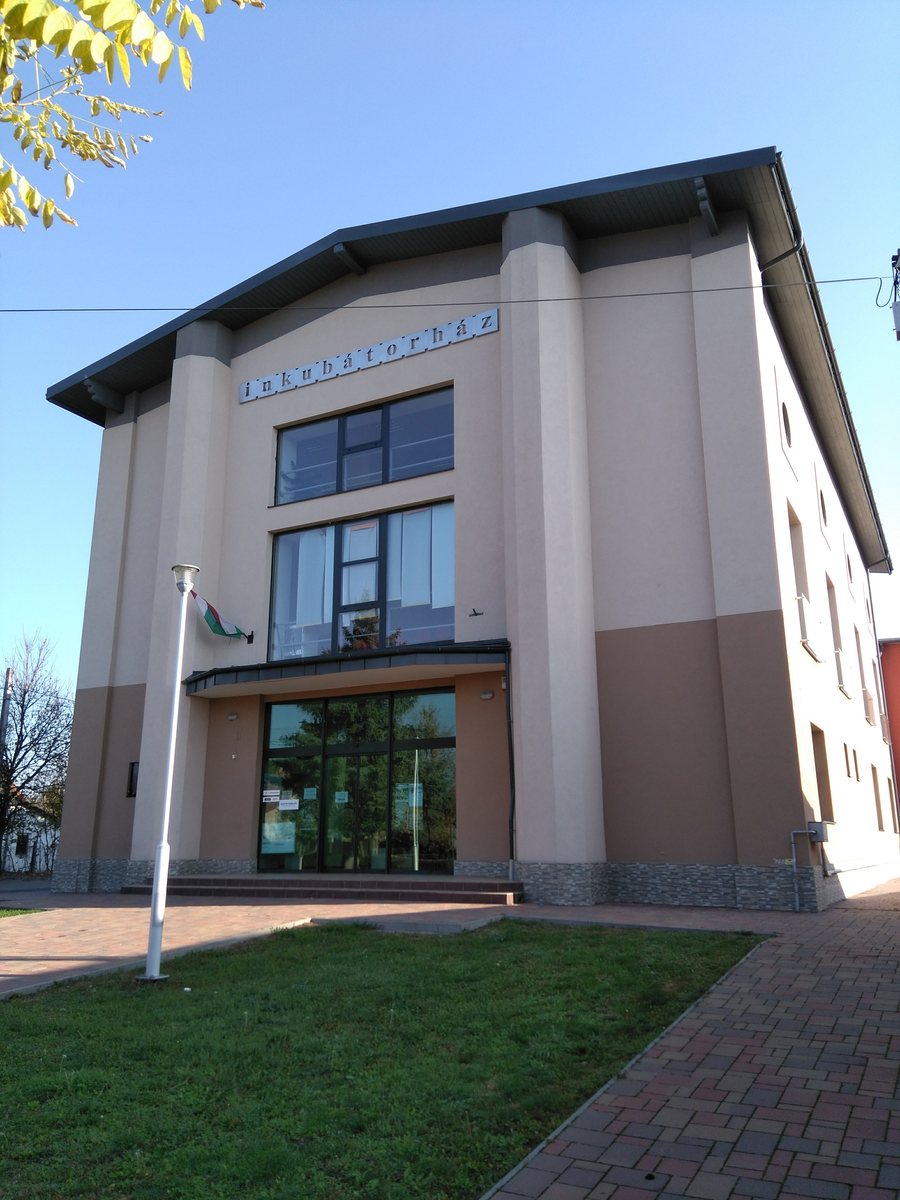
Churches and Places of Remembrance
In 1743, a wooden church still stood on the site of the Roman Catholic church; today, a stone church stands there. The change from the earlier wooden building to a stone church brings a specific historical layer of the townscape into view.
The Greek Catholic church offers a different architectural reference: it was built in the Byzantine style, designed by Bodonyi Csaba, and has a three-part ground plan. The Byzantine style and ground plan describe both the building’s design direction and its layout. This offers several points of interest if you are interested in sacred architecture.
At the entrance to the former synagogue, a memorial plaque commemorates 629 victims; the building is used for other purposes. Alongside the churches, the plaque marks a distinct place of remembrance and adds another perspective to the town’s history.
The Hernád and the History of Winemaking
The Hernád forms Szikszó’s eastern boundary; this stretch of the river is completely unregulated. You can go for a walk along the Hernád near Szikszó. This means that, alongside the cultural attractions, a riverside walk is another specific activity to consider.
The history of winemaking also reaches back a long way: vineyards were already being cultivated in Szikszó in the late 13th century. Records from the 18th century compared the quality of wine from Szikszó with that of wine from Tokaj-Hegyalja. This historical comparison lends the subject a culinary and economic perspective that differs from the churches and river landscape.
More to Explore in the Wider Destination of Borsod-Abaúj-Zemplén
Beyond Szikszó’s local history, the wider destination of Borsod-Abaúj-Zemplén offers other attractions. The Baradla-Domica cave system is part of the UNESCO World Heritage-listed caves of the Aggtelek and Slovak Karst. The short Aggtelek cave tour is 1 kilometre long, takes 60 minutes and is rated easy. For planning purposes, you can consider the route length, duration and stated difficulty level separately.
The Hucul herd grazing on the pastures of Gergés-lápa offers a different kind of nature experience: it can be visited year-round. The pastures lie around 1.5 kilometres north of Jósvafő. Here, the focus is on observing animals—a different emphasis from the geological features of the cave system.
In Miskolc, the zoo and cultural park has a nature trail with a 9-metre-high observation tower and a 32-metre-long suspension bridge. The trail, tower and bridge provide specific points of interest for this nature experience. So, alongside caves and wildlife watching, you can also focus your interest in regional experiences on a trail with an observation tower and suspension bridge.
Choosing the Right Focus for Your Trip
When looking for a holiday rental, you can first decide what you want your trip to centre on: Szikszó’s own history, a walk along the Hernád, or other nature and cultural experiences in the wider destination of Borsod-Abaúj-Zemplén. If Szikszó itself is your focus, the local attractions are its churches, place of remembrance, river and history of winemaking. If you would also like to include caves, wildlife watching or a nature trail, broaden your plans to the wider destination. Choose your holiday rental based on which of these themes matter most for your trip.
Discover more destinations: Hernádkércs
Go to the wider travel overview: Szikszói.

