
Erdőhorváti: Perec Tradition and Rákóczi Hiking Trail
Accommodation in Erdőhorváti
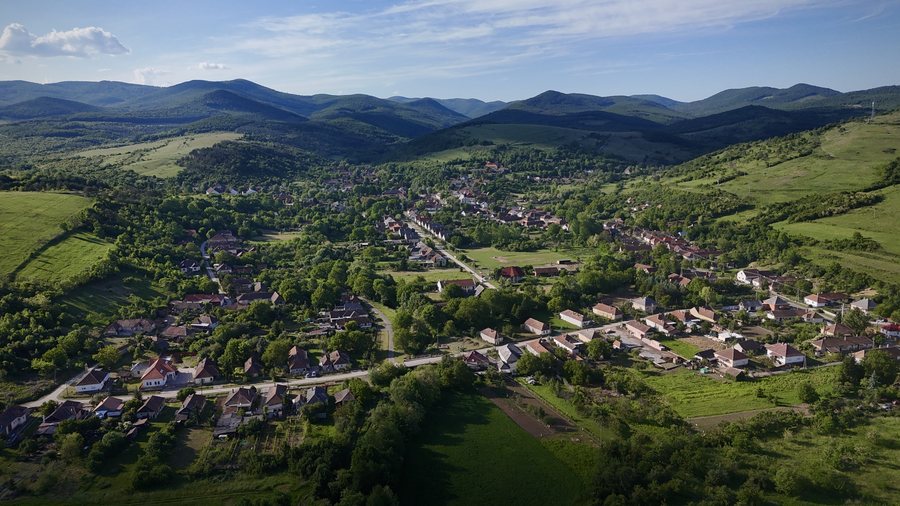
Erdőhorváti reveals itself through a local perec tradition, a well in the centre of the village and a section of the Rákóczi Hiking Trail. Culinary traditions and local market life sit alongside architecture and hiking, offering different ways to plan your stay.
A well in the centre
The Csurgó-kút is in the centre of Erdőhorváti, opposite the mayor’s office. Its precise location makes the well an easily identifiable landmark in the village. If you want to start by exploring the village centre, this is a specific starting point for getting to know Erdőhorváti.
Perec: a local baking tradition
Baking Erdőhorváti perec has long been a cherished local tradition. The perece are baked in a búbos kemence. This connects the pastry with a clearly defined method of preparation: this culinary speciality of the village is shaped not only by the perec itself, but also by the way it is baked.
In the 20th century, Erdőhorváti was an important centre for baking perec. Between 15 and 20 women made perec for the market and visited markets and fairs, especially in Tokaj-Hegyalja. The local tradition was therefore historically connected to the region’s market life. Those interested in food culture can explore not only the pastry but also its role in everyday commerce at the time.
Architecture and hiking route
The Roman Catholic church in Erdőhorváti is built in the Neo-Baroque style. This architectural feature complements the local baking tradition: the village can be explored through two distinct lenses—architectural heritage and food culture.
Hiking is also among the themes associated with Erdőhorváti. The red-marked Rákóczi Hiking Trail passes through a street between the churches in the village, then reaches the road to Komlóska. This route gives the trail a specific connection to Erdőhorváti and can be included as a distinct focus in your travel plans.
The wider setting: Borsod-Abaúj-Zemplén
The wider destination of Borsod-Abaúj-Zemplén offers additional cultural and landscape themes. The Tokaj wine region has the status of a legally protected wine-growing area; its climate, soil quality and slope exposure are suited to growing grapes. In Sárospatak, a cellar complex beneath the park of Rákóczi Castle is about 2,000 metres long and includes two wine-tasting rooms. Viticulture and built heritage therefore form a distinct regional focus.
Nature also offers a range of options in the wider destination of Borsod-Abaúj-Zemplén. The Zemplén Landscape Protection Area is part of the Zemplén Mountains, whose landscape influences the area’s flora and fauna. A short Aggtelek cave tour offers a different kind of nature experience: it is one kilometre long, takes 60 minutes and is rated easy. The wider destination thus offers a choice between a protected landscape and a tour with a set length and duration.
When looking for a holiday apartment in Erdőhorváti, a simple priority can help: would you like your stay to focus mainly on the local baking tradition and architecture, or would you also like to include the cultural and nature themes of the wider Borsod-Abaúj-Zemplén area in your plans? This choice shapes the character of your trip and can guide your choice of where to stay.
Discover more destinations: Hercegkút, Sárospatak, Bodrogolaszi, Sárazsadány, Vajdácska, Makkoshotyka, Komlóska, Vámosújfalu.
Go to the overview of the wider destination: Sárospataki.

