
Apostag: Synagogue, local history and Danube surroundings
Accommodation in Apostag
Apostag brings together Jewish local history, historic religious buildings and opportunities for activities in the Danube area. The synagogue, a Jewish cemetery in the garden of the Tájház and the Reformed Church each tell their own story of the town’s history. Those wishing to explore nature and culture elsewhere in Bács-Kiskun will find further themes rooted in other locations.
Synagogue, exhibition and cemetery
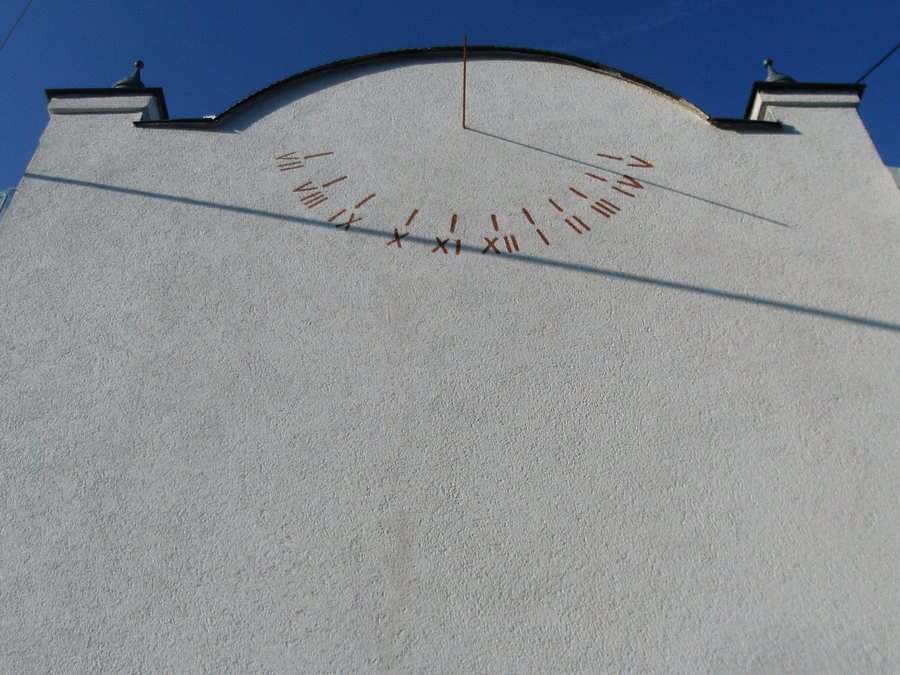
Apostag’s synagogue was declared a historic monument and renovated between 1986 and 1988 to plans by Péter Wirth. The building also houses the Nagy Lajos memorial exhibition. This brings a historic building and an exhibition together in one place. If you would like to visit the exhibition, check the visiting arrangements in advance.
Another insight into Apostag’s Jewish history can be found in the garden of the Tájház: there is a Jewish cemetery covering just under half a hectare. Its location in the garden and its approximate size make it a destination in its own right, alongside the synagogue and its exhibition. Together, these places offer different ways to engage with local history, without merging them into a single visitor destination.
The former round church and the present-day church building
The Reformed Church also tells the story of a building that changed on the same site. The present-day building stands where a round church once stood. When the new church was built, both the foundations of the former church and usable building materials were reused. This makes the connection between the two building phases clear: the site remained the same, and parts of the earlier building were incorporated into the new one. For visitors interested in local and architectural history, this offers a different perspective from the exhibition in the synagogue.
The Danube area and choosing accommodation
In the area around Apostag, the proximity of the Danube offers opportunities for hiking and weekend relaxation. This adds a landscape-focused dimension to a stay that also explores cultural and historical themes. If your main aim is to explore Apostag’s synagogue, cemetery and Reformed Church, you can focus your search for a holiday rental on Apostag. For a broader range of themes, also consider destinations elsewhere in the wider travel region of Bács-Kiskun when choosing where to stay.
More cultural and nature themes in Bács-Kiskun
In Tiszaalpár, the Tiszaalpár, Földvár educational trail presents the history of the Bronze Age fortified settlement of Tiszaalpári Földvár and the way of life of people in the Bronze Age. The site is a specially protected archaeological site in Bács-Kiskun; it was designated as such under Decree 3/2003. (I. 25.) NKÖM. Also in Tiszaalpár, a reconstruction of an Árpád-era village, built to mark the millennium, depicts the settlement layout discovered during local excavations.
At the Kiskunhalasi Csipkeház and Csipkemúzeum, you can learn about the history of Halas lace, which began in 1902. There you can admire lacework dating back centuries and watch lace being made. This is a distinct cultural highlight in Bács-Kiskun, alongside Tiszaalpár’s archaeological history.
Those interested in nature and engaging educational trails will find a variety of options in the wider travel region of Bács-Kiskun. The Boróka educational trail in Bugac is 1,100 metres long and combines information boards with interactive features, including a forest xylophone and a play telescope. At Lake Szelidi, a natural oxbow lake that developed from a branch of the Danube after the Ice Age, another educational trail focuses on blue-green algae. It is accessible year-round on foot and by bicycle; check local conditions before your visit. Its twelve information stations cover the lake’s development, the properties of its water, the organisms that live there and the wildlife of the surrounding area.
Visitor information centres in Bács-Kiskun also have different areas of focus. The Természet Háza in Kecskemét is the visitor centre of Kiskunság National Park. It provides information about the park’s educational trails, visiting conditions for protected areas, ecotourism programmes and forest schools. The Cifrapalota currently serves as an exhibition venue for the Kecskeméti Katona József Museum. The Pásztormúzeum is about 1.5 kilometres from the Puszta Kapuja Information Centre, accessible on foot via a dirt road.
Discover more destinations: Tass, Szalkszentmárton, Szabadszallas.
Back to the overview of the wider travel region: Kunszentmiklósi.

