
Holiday apartment in Moray – Coast Trail, Speyside Way and cultural heritage
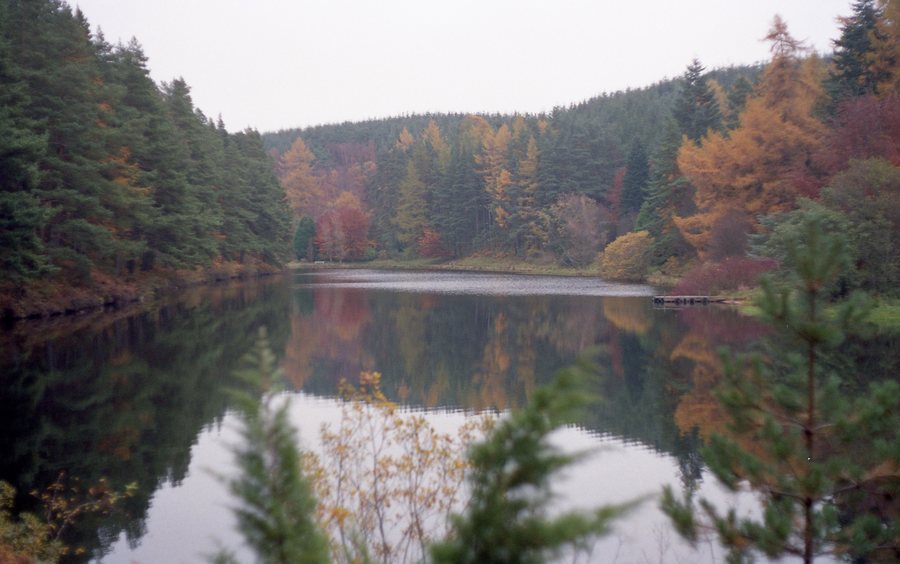 File:Around Elgin, Moray (200592) (9461623369).jpg
Photo: Robert Linsdell from St. Andrews, Canada via Wikimedia Commons, CC BY 2.0
File:Around Elgin, Moray (200592) (9461623369).jpg
Photo: Robert Linsdell from St. Andrews, Canada via Wikimedia Commons, CC BY 2.0
Moray can be explored via distinctive trails, medieval buildings, early history and Scottish distilleries. The signposted Moray Coast Trail is approximately 50 miles long and runs from Findhorn to Cullen. The route is also given as 80 kilometres; it can be walked in around three to five days or divided into shorter sections. Along the way, the trail passes cliffs, caves, sandy beaches and Bow Fiddle Rock.
Trails and landscape
The Speyside Way also follows the valley of the River Spey, Scotland’s second-longest river. Moray Speyside is part of this long-distance trail; it begins in Buckie and ends in Newtonmore. This means that two differently oriented routes run alongside each other on the coast and in the river valley, with their precise courses determined by the stated starting and ending points.
In Spey Bay, the WDC Scottish Dolphin Centre is located on the Speyside Way, National Cycle Network Route 1 and the Moray Coast Trail. At the Centre, visitors can take walks along the River Spey. Culbin offers an extensive network of gravel paths; the Hill 99 Trail leads to the Viewpoint Tower, with wide-ranging views over the treetops to the coast.
Nature and active routes
There is also a clearly described connection between practice and trail when it comes to mountain biking routes. A skills area near Winding Walks allows visitors to practise their technique before using the Moray Monster Trails. These offer single-track mountain bike routes for everyone from beginners to experts.
Medieval heritage
Spynie Palace preserves the remains of a medieval court fortress that was the palace of the Bishops of Moray. Together with St Andrew’s Castle in Fife, Spynie Palace is one of Scotland’s largest and best-preserved medieval bishops’ palaces. Elgin Cathedral Elgin was the spiritual centre of the Diocese of Moray. Even as a ruin, it is considered one of Scotland’s most ambitious and beautiful medieval buildings.
Duffus Castle was a fortified residence for more than 500 years, from the 12th to the 18th century. The building can be visited free of charge all year round.
Museum and early history
Elgin Museum opened in 1836 and is Scotland’s oldest independent museum. Its archaeological collection tells the story of Moray from the arrival of humans in the Mesolithic period around 8000 BC to the Picts in the 3rd to 9th centuries AD.
The collection includes a significant group of carved stones from Kinneddar and Drainie near Lossiemouth. It also includes the famous Burghead Bulls and the Dandaleith Stone, a Class I Pictish stone found on a farm near Craigellachie in 2013.
Distilleries
Another distinctive feature is the regional distribution of the distilleries: more than 50 percent of Scotland’s distilleries are located in Moray Speyside.
Places in Moray
Dandalieth, Rafford, Aberlour, Fochabers, Drumin, Glenlivet, Dufftown, Ballindalloch, Portknockie, Knock, Keith, Hopeman, Findochty, Portgordon, Alves and Burghead.
To the main travel overview: Scotland.
Check prices, availability and facilities for your travel dates directly on Booking.com.
View accommodation and offersAdvertisement · Partner link to Booking.com
_(9461623369).jpg)