
Holiday apartment in Banff
Banff is more than just a place to stay on the Scottish coast: the historic town lies on Banff Bay at the mouth of the River Deveron. Its harbour and estuary setting combine here with a distinctive local character and documented traces of history. This provides a concrete setting for coastal atmosphere and historical local exploration.
Quick facts about Banff
- Historic coastal town in Aberdeenshire on Banff Bay
- Former Royal Burgh and former county town of Banffshire
- The River Deveron and the estuary shape the location; Macduff lies opposite on the other bank
- Documented themes for your stay: harbour, historic town centre, coast and Duff House
Location by the harbour and on the River Deveron
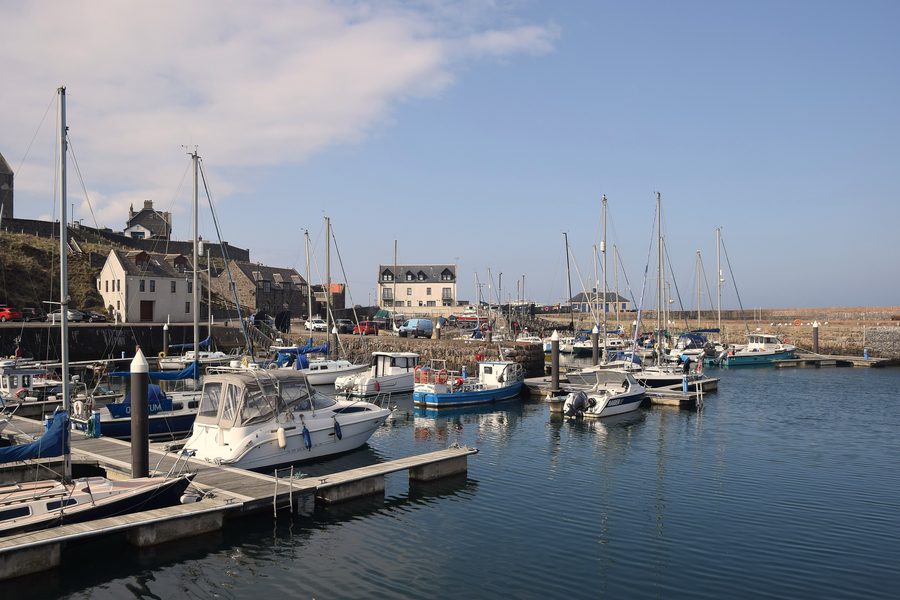
The maritime setting shapes Banff. The town is located on Banff Bay and on the estuary of the River Deveron; Macduff lies opposite, so not within Banff. The wider coastal landscape is also described with bays and harbours. If you are looking for coastal atmosphere, this gives you a concrete local setting and lets you plan additional excursions in the surrounding area according to your own mobility.
When choosing a holiday apartment, you should compare the exact location of the accommodation with your planned destinations. For the harbour, historical local exploration and other coastal themes, not every accommodation location is automatically equally suitable. An overview of further places and bases in the surrounding area is provided by Aberdeenshire.
Discover history, harbour and Duff House
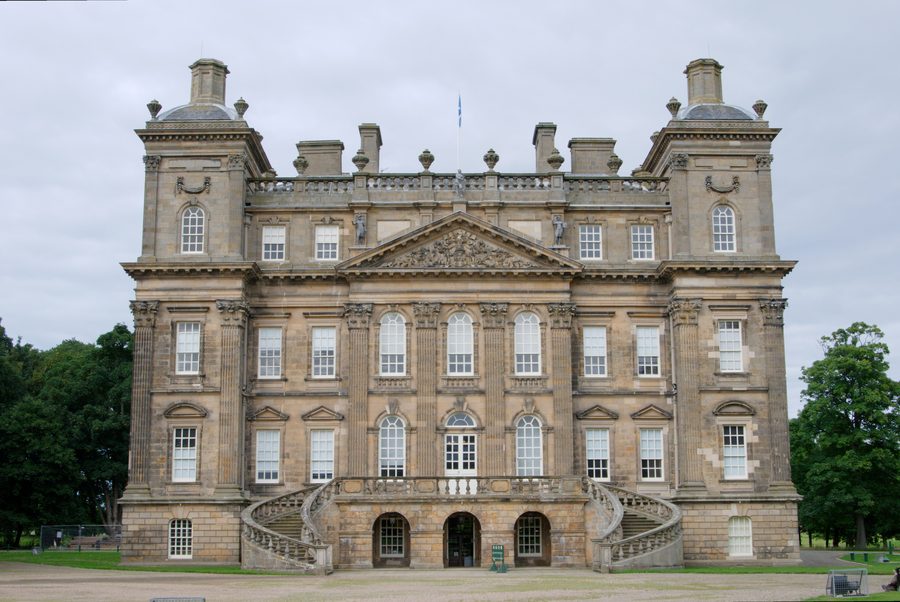
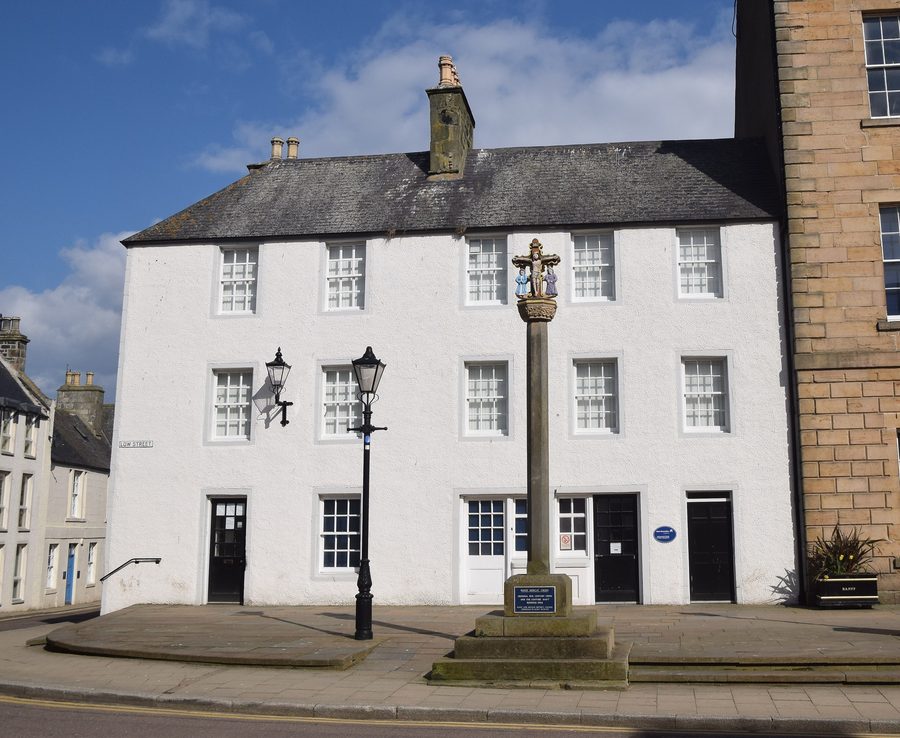
Banff carries the historical identity of a former Royal Burgh and a former county town of Banffshire. Documented features of the town include the Market Cross, the Tolbooth and Duff House. A described heritage trail leads through the historic town centre, to the harbour and to the coast. This makes it possible to combine history and maritime impressions during a stay.
Duff House is an 18th-century Georgian house and is associated with the National Galleries of Scotland. Together with historical local exploration, it offers a cultural building block for a varied day trip. One source presents Banff and Duff House as a combined day idea; you should check current opening times, admission conditions and walking times before visiting.
Which base suits your travel plan?
Banff suits a trip in which the town itself forms part of the programme: you can combine historical themes, harbour and coastal references, and a cultural element around Duff House. If you also plan Macduff or other coastal destinations, these should be understood as destinations across the estuary or in the wider region. The best accommodation is therefore chosen based on the specific location and the balance between local exploration and planned regional trips.
For arrival, a travel guide describes road connections from Aberdeen or via the A98 as well as bus connections to Banff and Macduff. As timetables and services can change, you should check travel by car or public transport specifically before booking. This keeps Banff a plausible choice for a coast-oriented trip without deriving an unverified statement about travel times or transport convenience from the town’s location.
Frequently asked questions about Banff
What makes Banff special as a place to stay?
Banff combines a historical local identity with a location on Banff Bay and on the River Deveron estuary. As a result, the town can be viewed as an independent coastal destination and not just as a place to spend the night.
What experiences can be combined in Banff?
Documented are historical local exploration, the harbour and coastal reference, and Duff House as a cultural building block. This allows you to plan a varied day of history, maritime atmosphere and culture.
Is Banff more suitable for coastal days or for excursions?
Banff itself offers the maritime local setting. You should plan other coastal destinations and Macduff depending on car access or current public transport connections, without assuming fixed travel times.


