
Großfahner: Half-timbering, fruit growing and a circular walking trail
Accommodation in Großfahner
Großfahner combines a long tradition of fruit growing with a distinctive townscape and a named circular walking trail. Many houses feature half-timbered clay construction, while St. Peter and Paul Church also defines the townscape. The Gierstädt Reservoir circular walking trail leads to Großfahner. This combination gives you several specific points to consider when deciding whether to focus your vacation on local history, architectural heritage or walking.
Townscape and history
Fruit growing has been an important economic factor for Großfahner and the region for centuries. It is therefore part of a long-standing local and regional tradition. This economic background offers its own way of understanding the town: alongside the visible buildings, it draws attention to an industry that has shaped Großfahner and the region over a long period. The town’s history thus has economic as well as architectural aspects.
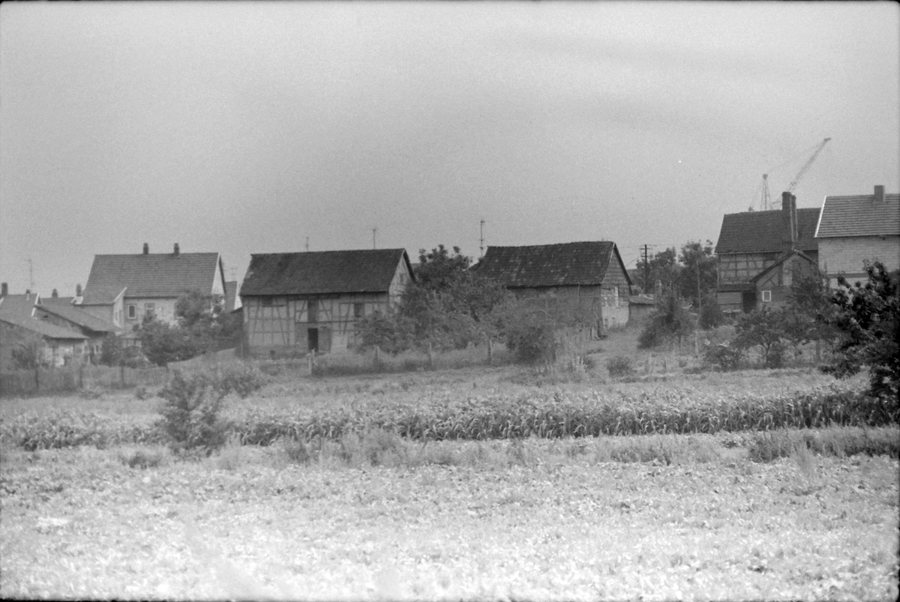
Many houses in Großfahner feature attractive half-timbered clay construction. As this style characterizes many houses, it contributes to the overall impression of the townscape, rather than being limited to a single eye-catching building. St. Peter and Paul Church also shapes the townscape. Following six years of renovation work, it was solemnly inaugurated on October 11, 1997. This date adds a specific historical point of reference to the architectural impression.
Combine local history with a walk
If you plan your stay around outdoor activity, you can also consider the Gierstädt Reservoir circular walking trail: it leads to Großfahner. This means you can include the town as a walking destination in your vacation plans. As you plan, you can weigh whether to focus on the townscape, the fruit-growing tradition or the named circular walking trail. This helps give your choice of location a practical framework before you decide on a holiday apartment.
The wider Gotha destination
The wider Gotha destination broadens the perspective from the townscape to the surrounding region. Gotha district extends south to the Rennsteig and west to the 916.5-meter-high Großer Inselsberg. The Fahner Höhe is also part of the wider Gotha destination’s varied landscapes: it is about 15 kilometers long and 8 kilometers wide, and is the largest contiguous forest area in the Thuringian Basin. The Fahner Höhe protected landscape provides habitats for native wildlife and plant life. Nature therefore adds another perspective on the wider Gotha destination to the view of Großfahner’s local history.
The wider Gotha destination’s cultural highlights offer their own points of interest, too. Gotha’s Ekhof Theatre was founded by Duke Ernst II in 1775 as the first court theatre in Germany. In Friedrichroda, the Marienglashöhle takes visitors through a 110-meter-long tunnel; geological windows reveal rock layers millions of years old. In its crystal grotto, gypsum crystals of up to 90 centimeters in length sparkle. The history of theatre and geological features thus offer different themes from Großfahner’s townscape and fruit-growing tradition.
This distinction can help you decide on the location you want for your holiday apartment before searching for specific accommodation.
Discover more destinations
Discover more destinations: Gotha, Laucha, Crawinkel, Aspach, Friemar, Gräfenhain, Hohenkirchen, Schwabhausen.
Back to the regional travel overview: Gotha.

