
Holiday apartment in Eibenstock
Accommodation in Eibenstock
Eibenstock combines the landscape of the western Ore Mountains with regional history and documented hiking connections. The town is located in the Erzgebirgskreis district in Saxony near the Zwickau Mulde. From here, you can plan a stay that combines the town itself with excursions into the surrounding mountain landscape.
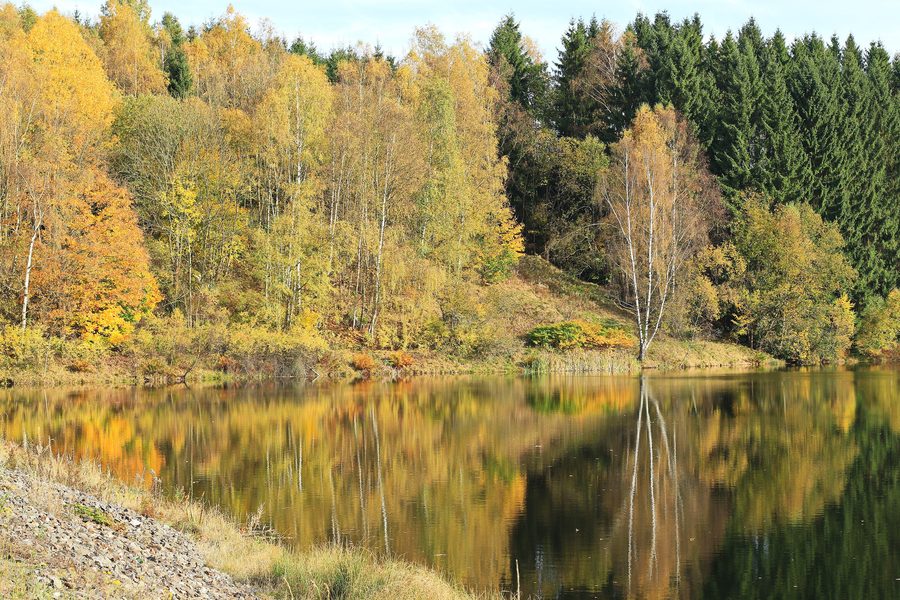 Talsperre Eibenstock im Erzgebirgskreis in Sachsen.
Photo: Kora27 via Wikimedia Commons, CC BY-SA 4.0
Talsperre Eibenstock im Erzgebirgskreis in Sachsen.
Photo: Kora27 via Wikimedia Commons, CC BY-SA 4.0
Quick facts about Eibenstock
Location: Eibenstock is located in the Erzgebirgskreis district in Saxony, in the western Ore Mountains near the Zwickau Mulde.
Character: The town combines a mountain landscape with a historical background shaped by mining and later by embroidery and textile production.
Out and about: Hiking and route information mentions connections from Eibenstock into the surrounding Ore Mountains, including toward Auersberg and Wildenthal as well as along regional ridge trails to Weitersglashütte.
Mountain landscape and hiking as a common thread
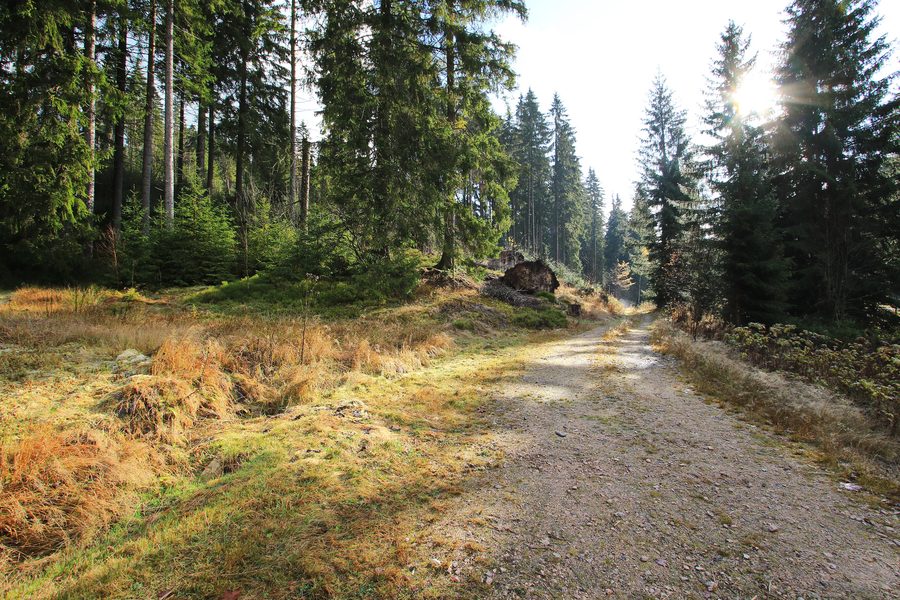
The location in the western Ore Mountains gives Eibenstock a clear connection to the surrounding mountain landscape: if you want to spend days outdoors together, you can view the town as a starting point for regional hikes. Route information lists Eibenstock as the starting or ending point of trails through the surrounding highland landscape. These include connections toward Auersberg and Wildenthal as well as a route that leads via Weitersglashütte.
When planning the day, you can decide whether the stay combines the town with shorter outings or is more strongly focused on individual hiking stages. Distance, route, and current conditions should be checked before a tour so they fit the planned day program. This keeps Eibenstock a possible option for a nature-oriented holiday, without every regional route being generally considered easy or suitable.
History adds to the nature experience
Eibenstock is not just a scenic backdrop. The town's history is initially linked to mining; later, embroidery and textile production shaped its development. This historical dimension adds to a stay: after a day of hiking, you can explore the regional identity instead of the trip depending solely on outdoor activities.
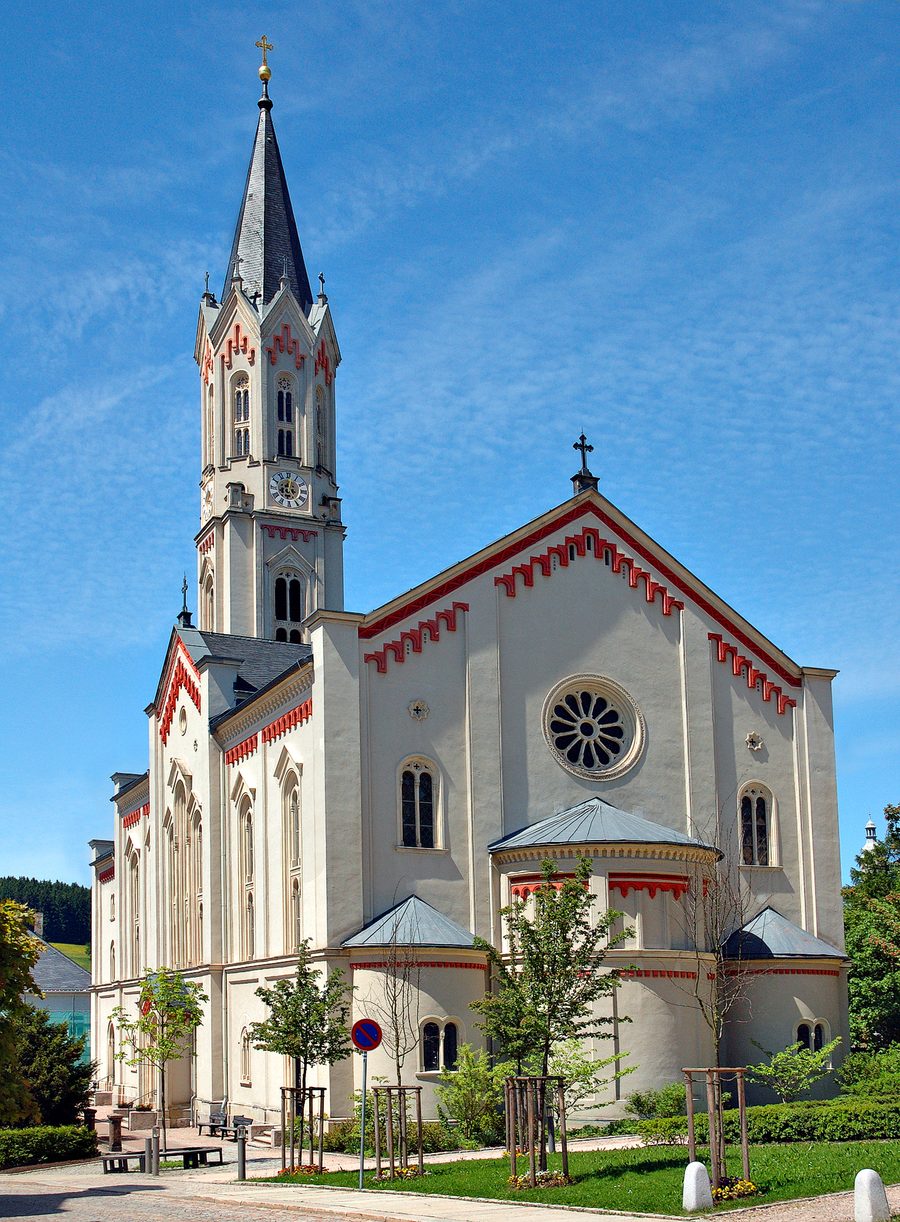
A notable historic building in the town is the Lutheran church.
Eibenstock as a starting point for travel planning
A holiday apartment in Eibenstock can be planned as a base for a mix of town visits, nature experiences, and individual day trips. The route information shows connections into the wider mountain landscape, but it does not replace checking the specific route. Route, distance, and difficulty should therefore be matched in advance to the planned day program.
If you want to focus on nature and regional hiking, you can consider Eibenstock as a possible base in the Ore Mountains. If, on the other hand, you want specific places or routes to take center stage, you should compare their exact location and the desired day plan separately. For broader orientation in the district, the Erzgebirgskreis page provides the appropriate overarching framework.
For further orientation, you will also find the local pages Carlsfeld, Weitersglashütte, and Wildenthal here.
Frequently asked questions about Eibenstock
What should families consider when planning a trip to Eibenstock?
Eibenstock is located in the western Ore Mountains and offers a town with mountain scenery and regional history. Whether the destination suits a family depends on personal requirements and the desired day program.
What role do the surrounding places play in travel planning?
Weitersglashütte and Wildenthal appear in regional route information. They are therefore interesting as named excursion references, but should not be classified as equivalent accommodation alternatives with their own advantages without further review.
What does Eibenstock offer besides nature experiences?
In addition to landscape and hiking opportunities, Eibenstock has a documented history of mining and later embroidery and textile production. This adds a piece of regional cultural history to a stay in the Ore Mountains.


_2H1A0305WI.jpg)
.jpg)