
Harsleben: Church Art and a Park with a Pond
Accommodation in Harsleben
Harsleben offers two very different discoveries: the layered architectural and furnishing history of St. Simon and Judas, and a smaller park where several springs flow into a pond. This makes it possible to get to know the town through both church architecture and a break in the green surroundings.
St. Simon and Judas: Building History in Several Layers
The Baroque double-towered altar wall is decorated with figures of the church’s patron saints, St. Simon and Judas. An older Renaissance pulpit with valuable inlay work is incorporated into it. The organ in the west gallery also bears a trace of history: its richly decorated case was once the Rückpositiv of the David Beck organ from Gröningen Castle.
Different periods can be distinguished in the church building. The slightly leaning, rectangular Romanesque tower dates from around 1200. The Gothic choir with its rib-vaulted ceiling, by contrast, dates to the 14th century. The tower and choir thus represent different building periods in the same church—a vivid way to explore architectural history without having to consider each style in isolation.
A later turning point in the building’s history came during renovation work in the 1970s, when the exterior staircases and the sacristy were removed. Along with the surviving furnishings, these changes give a picture that encompasses both the original construction periods and later alterations.
Another Focus in the Town
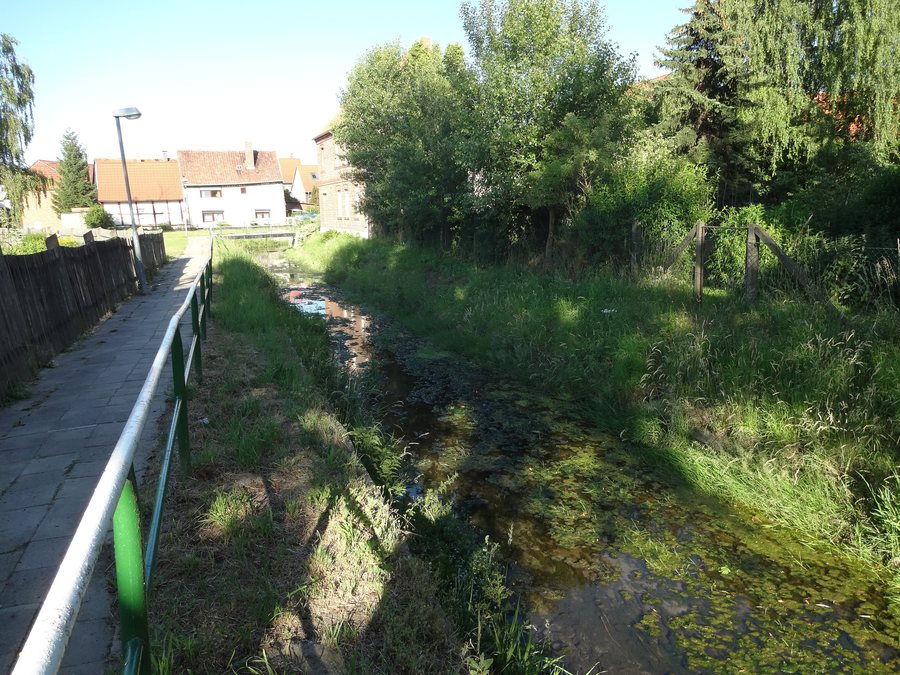
The smaller park offers a different setting from the church. Several springs flow into a pond there, and you can sit on a bench or have a picnic. This makes the park a particular destination for a break by the water. While the altar wall, pulpit and organ case draw the eye in St. Simon and Judas, here the focus is on spending time outdoors.
The Harz as a Broader Travel Destination
The broader travel destination of the Harz adds a larger-scale perspective on nature. Harz National Park covers 24,732 hectares, accounting for around ten percent of the entire Harz region. Eight visitor centres and national park houses offer information about the park, hiking tips, exhibitions and film screenings. There are also guided hikes and excursions with rangers, specialists, national park guides and national park forest guides. If you’re interested in a guided activity, it’s worth checking the latest dates.
The national park has 560 kilometres of signposted trails for hiking, leading to particularly scenic viewpoints. The Harzer-Hexen-Stieg trail passes through the national park and the Brocken bog; twelve experience islands point out viewpoints, tell stories or invite you to take a short break. Another way to explore the Harz is the Harzer Wandernadel, with 222 stamping stations throughout the region. Anyone who collects all the stamps earns the title “Harzer Wanderkaiser” (Harz Hiking Emperor).
The Brocken also offers its own perspective on this broader travel destination: at 1,141 metres, it is the highest peak in the Harz and lies within the national park’s core zone. The Brocken Railway offers a way to reach it by train. Hiking routes, stamping stations and train journeys each offer a different focus; which ones suit your plans depends on how you want to spend your time in the Harz.
Choose a Holiday Apartment to Suit Your Plans
When looking for a holiday apartment in Harsleben, it helps to decide on your preferred focus first: would you like to explore the church’s architecture and history, plan a break by the pond in the park, or shape your holiday more around the attractions of the wider Harz region? The local sights and the region’s hiking and excursion options cater to different holiday interests.
Discover More Destinations
Discover more destinations: Oberharz am Brocken, Blankenburg am Harz, Wegeleben, Güntersberge, Halberstadt, Harzgerode, Osterwieck, Quedlinburg.
Back to the broader travel overview: Harz.

.jpg)