
Holiday apartment in Ottweiler
Accommodation in Ottweiler
Ottweiler is located on the Blies and combines a clear local reference with a location in northeastern Saarland. Historically, the town was the seat of the Neunkirchen district; it is also associated with porcelain and brewing history. This results in three different points of reference for choosing accommodation: a stay with a local focus, placement within the wider district, and planning a larger Saarland trip.
Quick facts about Ottweiler
Location: Ottweiler is located in Saarland on the Blies, around 7 kilometers north of Neunkirchen and 25 kilometers northeast of Saarbrücken.
Regional context: Ottweiler belongs to the Neunkirchen district. In landscape terms, the district is mostly assigned to the Saar-Nahe Uplands.
Historical reference: Historically, Ottweiler was the seat of the Neunkirchen district. This administrative reference is a point of classification, but says nothing about specific sights or current offerings.
Local history as a separate travel component
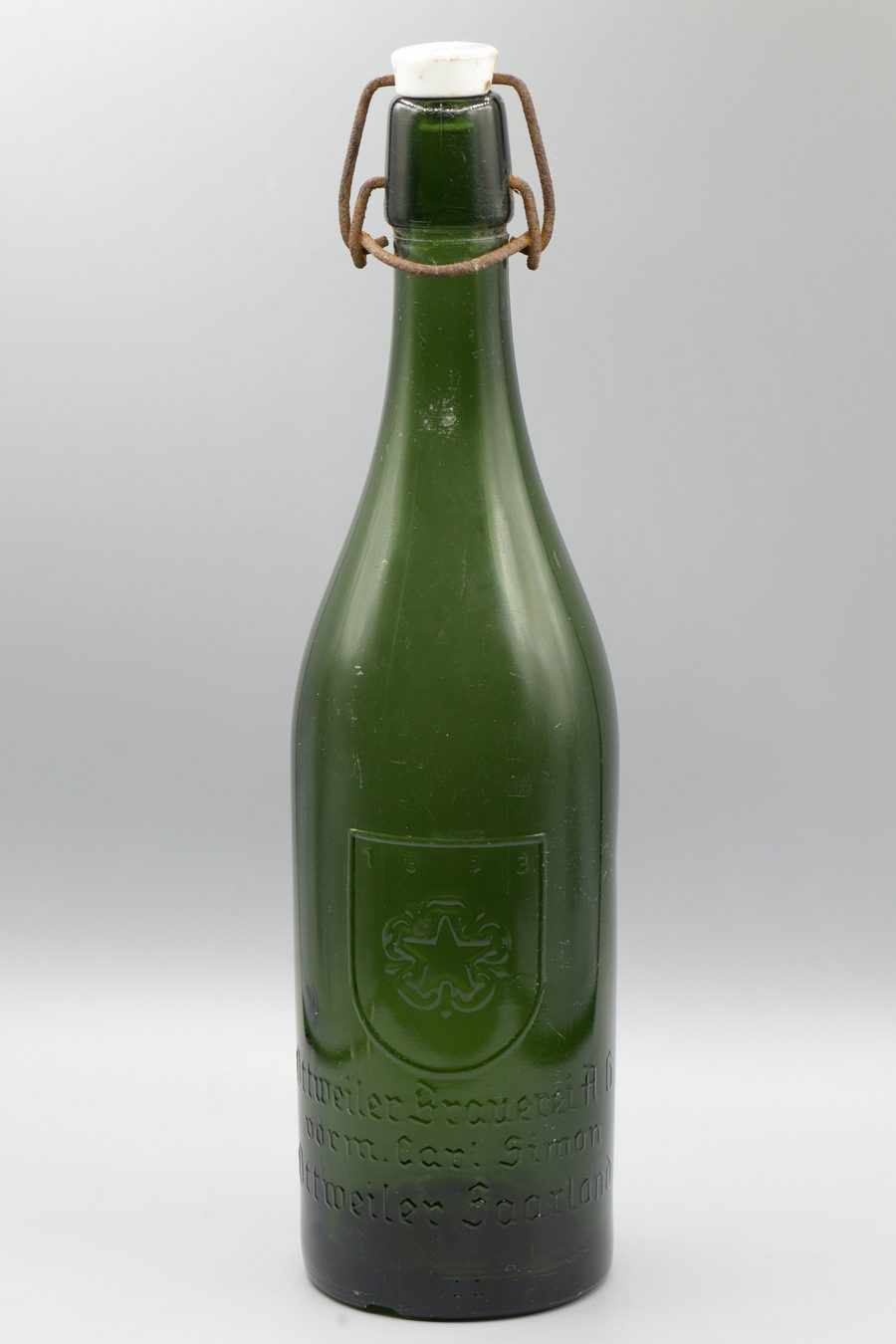
If, when choosing a holiday apartment, you look not only at the overnight stay but also at the local reference, Ottweiler offers a clear historical point of contact. The town’s history is associated with porcelain and brewing. These references are to be understood historically: they do not stand for an operating brewery today, tours, tastings, or a specific gastronomic offering.
For a stay focused on the place, the decisive factor is therefore expectations: Ottweiler can be classified through its location and historical connections, but on this information basis it does not provide a verified list of specific places to visit. Anyone looking for individual buildings, museums, or events should check these independently of the accommodation.
Including the district as a regional context
The location on the Blies and the classification between Neunkirchen and Saarbrücken help with the basic decision of whether Ottweiler is suitable as a small local base for a broader Saarland trip. The information describes the geographical orientation, but promises neither short distances nor specific travel times.
The wider district belongs predominantly to the Saar-Nahe Uplands. The district area also includes the Itzenplitz-Heiligenwald recreation area with the district’s largest lake. This area is not located in Ottweiler. For a nature-based or mixed trip, the regional landscape context can therefore be included in planning, without automatically classifying the accommodation as a starting point for this area.
This makes it possible to distinguish between two types of trip: a stay can make the town of Ottweiler itself the point of reference, or use the district and the wider Saarland as the planning area. Which option is suitable depends on the specific destinations selected.
Assess arrival and accommodation location separately
For Ottweiler, roads through the town as well as regular local train services toward nearby towns, including Saarbrücken and Frankfurt, are indicated. This is an initial orientation for choosing between planning your own drive and a possible train journey. Timetables, connections, and travel time must be checked up to date.
For a holiday apartment, the exact location therefore matters more than a general place name. Compare the accommodation with the planned local sightseeing, regional excursions, and the desired mode of arrival. For the broader context in the district, the route leads to Neunkirchen.
Frequently asked questions about Ottweiler
What makes Ottweiler interesting as a starting point for a stay?
Ottweiler is located on the Blies, around 7 kilometers north of Neunkirchen and 25 kilometers northeast of Saarbrücken. Together with the district’s landscape context, the town can be considered as a small local base for a broader Saarland trip. Specific destinations and travel times belong in separate trip planning.
Is Ottweiler more of a destination for local sightseeing or for regional excursions?
Ottweiler has documented municipal and regional relevance as well as historical connections to porcelain and brewing. However, there is no reliable list of local sights for planning purposes. Therefore, the decision between a stay focused on the town and a broader regional program should depend on the specifically checked destinations.

_02.jpg)
.jpg)