
Discover Garbsen
Accommodation in Garbsen
Garbsen brings together the history of communities that were once villages and the brickmaking industry, with waterside experiences and opportunities to explore the city and its surrounding landscape by bike. At the Local History Museum, the Leine Bridge and Schloß Ricklingen, you can discover different aspects of local history. Nearby Blue Lake offers a different focus: the beach, water sports and a waterslide take centre stage there. You can shape your stay around whether you are looking for cultural discoveries, activity or time by the water.
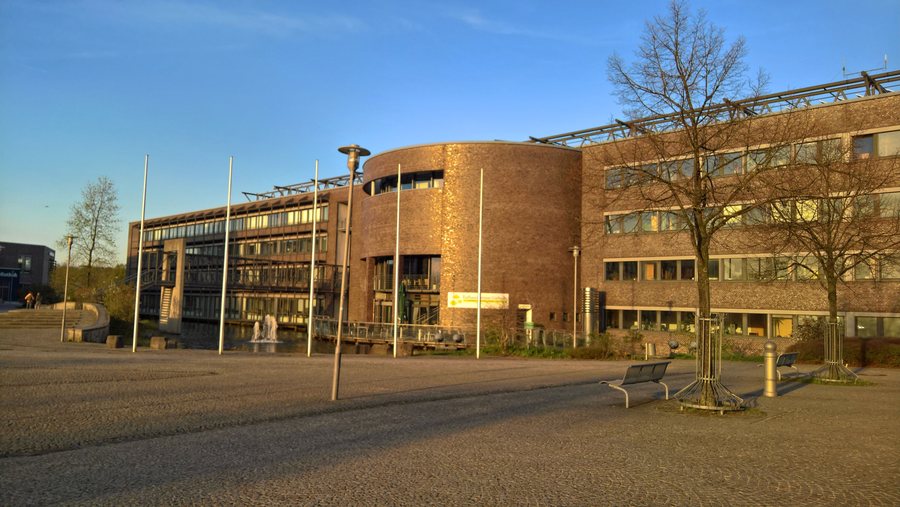
Local history at the Local History Museum
Garbsen’s Local History Museum is housed in the workers’ kitchen of a former brickworks. The setting alone connects a museum visit with a piece of local industrial history. One focus is the development of the ten communities that were once villages and now make up the city. So the story is not just about a single district, but about the formation of Garbsen from several former communities.
Another focus of the museum is the brickmaking and hard-stone industries. Both were central to Garbsen’s development from 1875 to 1980. If you are interested in everyday life and working history, this offers a different way to discover the city than an outing focused mainly on activity or waterside experiences. The themes of urban development and industrial history provide two interconnected but distinct perspectives during your museum visit.
Blue Lake: beach, mini golf and water sports
The Adventure Mini Golf course in the Blue Lake recreation area in Garbsen has 14 holes, spread across the gently sloping terrain along the lake shore. The course gives you a specific reason to enjoy your time at the lake with a game; when planning your day, you can take the number of holes and the terrain into account.
Blue Lake, near Garbsen, has a 600-metre-long sandy beach. There are also water-ski lifts and a 65-metre-long waterslide. These offer different kinds of experiences: the beach is all about spending time by the water, while the water-ski lifts and slide add further activities. If you are travelling with children, you can decide together which of these experiences appeal to you, without having to plan the day around just one activity.
By bike and along historic trails
The Garbsen Cycling Ring is signposted as the city’s official cycling route. It invites you to discover Garbsen’s urban and rural landscapes and stop at points of interest along the way. It suits a trip where you want to link different impressions by bike rather than head for just one destination. You don’t need to know the exact route length to plan your visit: what matters is that the cycling ring is signposted and that stops at points of interest are part of the experience.
Historic buildings also add to the area’s character. Built in 1895, the Leine Bridge in Schloß Ricklingen has been restored and is now a listed industrial monument. Schloß Ricklingen is also home to a magnificent Baroque church, considered unique in certain respects in northern Germany. The bridge and the church represent different forms of architectural heritage; they may be especially interesting if you want to include culture and local history in your stay.
A June event and choosing your accommodation
The traditional Matjes Festival takes place in June at Werner-Baesmann Park in Berenbostel. If you visit Garbsen that month, you can consider adding this seasonal event to your plans. When choosing a holiday apartment in Garbsen, it helps to start by deciding which experiences you want to shape your stay: the museum and historic buildings, a day at Blue Lake, a bike ride or a visit to the Matjes Festival.
Other places to consider for your trip: Wennigsen, Dedenhausen, Burgdorf, Wunstorf, Pattensen, Lehrte, Steinhude and Langenhagen.
Return to the regional travel overview: Hannover Region.

