
Salzhemmendorf: Brine, History and Excursions
Accommodation in Salzhemmendorf
Salzhemmendorf combines a history of brine with a range of places to visit within the municipality. These include the use of a brine spring, a visitor mine, a castle ruin and a summer excursion destination. When planning your holiday, you can decide whether brine and exercise, industrial history or culture should take centre stage.
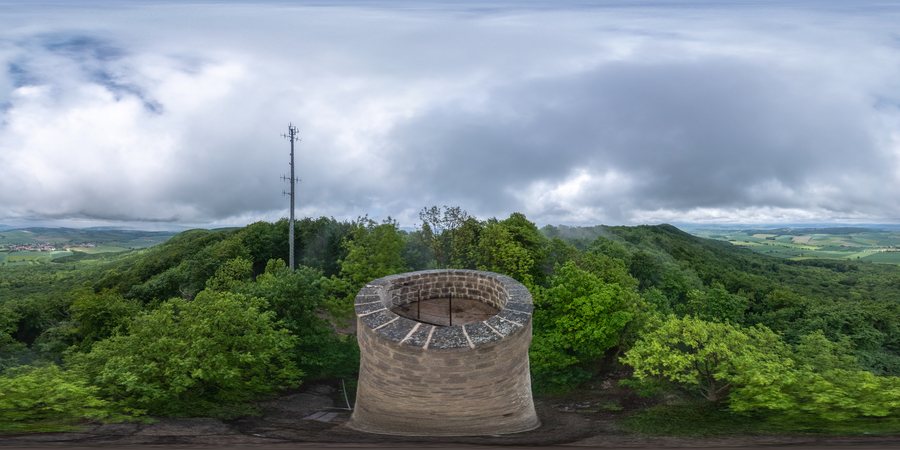 File:2022-05-29 114754 Salzhemmendorf Ithturm.jpg
Photo: Tim Rademacher via Wikimedia Commons, CC BY-SA 4.0
File:2022-05-29 114754 Salzhemmendorf Ithturm.jpg
Photo: Tim Rademacher via Wikimedia Commons, CC BY-SA 4.0
Brine and Exercise in Salzhemmendorf
At the Ith-Sole-Therme Salzhemmendorf, brine can be used for relaxation and to promote health. The spa is also the starting point of the Weserbergland Nordic Walking Park in Salzhemmendorf. This brings two different themes together in one named location: the use of brine and a starting point for Nordic walking. A brine spring, from which Salzhemmendorf takes its name, was formerly used to produce salt. The spring thus connects the local history behind the town’s name with salt production in the past. If you want to plan your holiday around particular themes, you can consider these historical connections alongside today’s leisure and relaxation interests.
Places to Visit in the Municipality
Other destinations in the municipality appeal to a range of interests. Rasti-Land amusement park is aimed at families with children aged 0 to around 14. The grounds are hilly and not fully accessible; check the current conditions with the operator before visiting.
In Osterwald, the Hüttenstollen is a visitor mine with an adjoining museum on local and industrial history. It is considered a living testament to Osterwald’s coal mining industry. The Osterwaldbühne is a summer excursion destination; its programme and dates may vary. If you are planning a visit, you should therefore check the current performance dates.
The castle ruin of the same name lies in Lauenstein am Ith, surrounded by wooded slopes and meadows. The Lauenstein natural swimming pool is another local destination: the facility includes a swimming or natural pond and a separate regeneration pond. The pool is currently closed for extensive renovations. These different themes can help you decide which experiences are most important to your stay before looking for a holiday apartment.
Hameln-Pyrmont as a Broader Travel Destination
The wider travel destination of Hameln-Pyrmont offers further cultural and landscape themes. In Hameln’s old town, the Pied Piper open-air play has been performed every year since 1956 on the terrace of the Hochzeitshaus; dates are seasonal. The Hameln Museum covers the historical period from the first traces of settlement to the recent past. Its collection on the Pied Piper of Hamelin is described as probably the largest in the world.
Architecture is also part of this regional overview: Hämelschenburg Castle in Emmerthal is a major work of Weser Renaissance architecture. Schwöbber Castle in Aerzen is another landmark of this architectural style. There are several routes for exercise, with different lengths and focuses. The Weser Cycle Route, awarded four stars, passes through the district of Hameln-Pyrmont; the 800-kilometre KulturRoute crosses it. The 225-kilometre Weserbergland Trail passes castles and palaces, as well as half-timbered towns and landscapes. The 80-kilometre Ith-Hils Trail offers historic places of worship, lakes and caves, as well as frequent viewpoints. The stated total distances make it easy to compare the routes if you want to start planning based on their length.
Discover more destinations: Emmerthal, Coppenbrügge, Lauenstein, Aerzen, Bad Münder Am Deister, Bad Pyrmont, Hameln, Hessisch Oldendorf.
Go to the broader travel overview: Hameln-Pyrmont.

