
Goslar: Half-timbered houses, the Imperial Palace and Harz discoveries
Accommodation in Goslar
Goslar combines an exceptionally well-preserved half-timbered old town with the history of the Imperial Palace and mining. The old town has been preserved across around one square kilometre and includes more than 1,500 half-timbered houses. If you enjoy wandering through historic streetscapes, there is plenty to discover here; other interests can also lead you out to the mountains, hiking trails and natural attractions of the Harz.
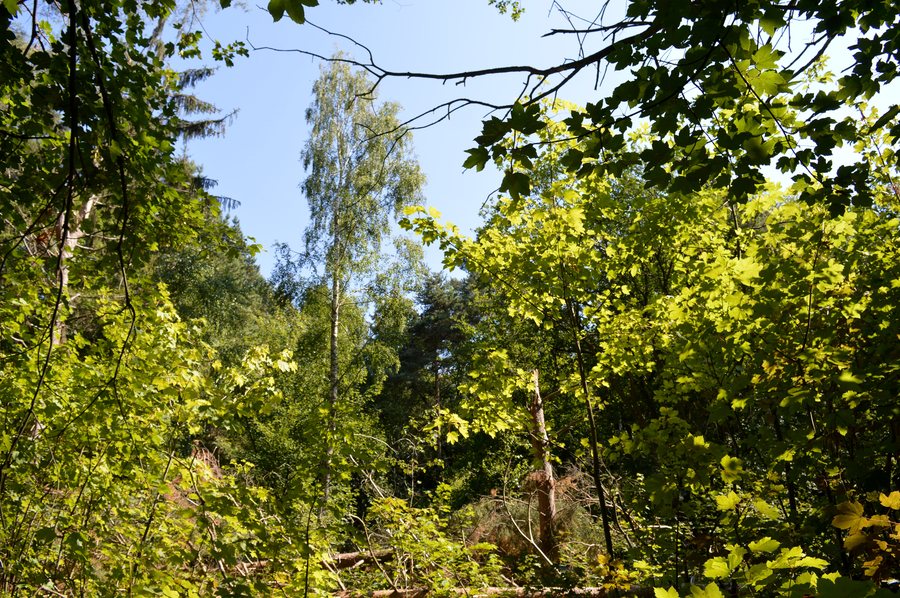 LSG Harz (Landkreis Goslar) - Zwischen Astfeld und Goslar (16)
Photo: Ragnar1904 via Wikimedia Commons, CC BY-SA 4.0
LSG Harz (Landkreis Goslar) - Zwischen Astfeld und Goslar (16)
Photo: Ragnar1904 via Wikimedia Commons, CC BY-SA 4.0
Half-timbered houses, the Imperial Palace and mining history
A notable building on Glockengießerstraße is St. Annenhaus: dating back to 1488, it is the oldest half-timbered house in Goslar’s old town to remain completely intact. The Imperial Palace has stood at the foot of the Rammelsberg for almost 1,000 years. It was once the seat of power for kings and emperors. The Imperial Palace offers public guided tours of its great hall, as well as special, themed and school-group tours. This gives anyone interested in culture several opportunities to learn more about the historic building.
At Rammelsberg, you can discover the mining tradition from a different perspective: the former ore mine is now a visitor mine where you can explore various aspects of mining. A museum directly adjoining it traces the history of this tradition. If you are especially interested in technology and the history of work, you can combine a visit to the mine with the museum rather than focusing solely on the architecture of the old town.
The region’s museums and historic sites offer further insights. The Goslar Museum presents how people in Goslar lived and worked over more than ten centuries, showing how the town developed over time. In the Zwinger, an exhibition on the late Middle Ages features armour, siege equipment and weapons from the Peasants’ War of 1525 and the Thirty Years’ War, as well as objects relating to medieval penal practices. In Mechtshausen, the Wilhelm Busch House commemorates the artist: the former rectory was his last home. Wilhelm Busch died there in 1908 and was buried in the local cemetery.
Living traditions are also part of the cultural scene: the Sehusa Festival is held every year in the park of the former Sehusa Castle and is considered Northern Germany’s largest historical festival. If you’re travelling with children and enjoy getting hands-on, the Goslar Zinnfiguren Museum has an open workshop where children and adults can cast and paint their own tin figures.
Hikes, Harz nature and active days
Bad Harzburg borders the Harz National Park. From there, themed hiking trails lead past lynx and wildcat enclosures and the Radau Waterfall, among other sights, and continue to the Brocken. The waterfall is itself one of the attractions along the themed trails. Bad Harzburg is also home to the more than 1,000-metre-long Harz treetop walk above the Kaltes Tal. Since 2015, it has offered insights into nature and geology; it reaches up to 26 metres in height and is described as an accessible experience.
Another Bad Harzburg attraction is the Harz Tree Top Zipline, which has been adding to the area’s attractions since 2020. Suspended in a harness, you glide downhill from the Burgberg to the far end of the treetop walk at 12 to 15 km/h over a distance of more than 1,000 metres. The route runs along a tubular system through old oak and beech trees. This makes the difference in holiday focus clear: Goslar centres on its old town, museums and mining history, while Bad Harzburg offers hiking trails and nature experiences.
Braunlage is another option for getting active in the mountains, with many hiking trails and mountain bike routes. For winter activities, the town offers various ski slopes, an ice stadium and a toboggan run; there are also several ski jumps on the Wurmberg. If you’re travelling with people who have different interests, you can take these into account when choosing a holiday apartment.
Quieter natural attractions also help shape the options. The Innerste Dam serves as a local recreation area for residents and tourists in the Goslar district. The grounds around Lake Vienenburg offer a place to unwind. On the Harly ridge, the Harly Tower is a popular hiking destination, with visitors enjoying sweeping views from there. The panorama from Vienenburg Castle’s tower stretches across the Harz foothills, and the tower is considered a landmark of Vienenburg. The Vienenburg Local History Museum focuses on the history of industry, crafts, trade and commerce, as well as former potash mining in the Harly.
You can explore mining history further at other sites, too: the Upper Harz Mining Museum in Clausthal-Zellerfeld combines important exhibits with original mining installations that visitors can discover and experience for themselves. At the Samson Mine in Sankt Andreasberg, you can see the world’s last preserved original Fahrkunst, a device used to transport miners up and down a shaft. Across the wider Harz area, the World Heritage site extends over more than 200 square kilometres in the Harz and Goslar region. The Upper Harz Water Management System has been protected as a nature reserve in the Goslar district since 1978.
Places for different holiday interests
To help you get around the district, an interactive public transport network map shows the nearest stops and departure times and lets you discover local attractions. Overnight guests can use HATIX free of charge during a holiday in the Harz if they pay the current visitor’s tax in a participating town. Check that this requirement applies to your accommodation location. When choosing a holiday apartment, it helps to consider whether your trip will focus on the old town and culture, mining history, hiking or winter activities.
Other places to consider include OberharzOberharz, Lutter Am BarenbergeLutter Am Barenberge, AltenauAltenau, LangelsheimLangelsheim, SeesenSeesen, LiebenburgLiebenburg, VienenburgVienenburg, Bad HarzburgBad Harzburg, BraunlageBraunlage, Clausthal-ZellerfeldClausthal-Zellerfeld, GoslarGoslar and Sankt AndreasbergSankt Andreasberg.
For the broader travel overview: Lower Saxony.

_-_Zwischen_Astfeld_und_Goslar_(16).jpg)