
Vacation rental in Kreuzberg
Accommodation in Kreuzberg
Kreuzberg combines Berlin history with a dense neighborhood life, international gastronomy, culture, and green respites. Between former SO 36, Bergmannstraße, museums, markets, and Viktoriapark, a city stay takes shape in which street life and culinary discoveries can be combined with culture and slower moments in the park.
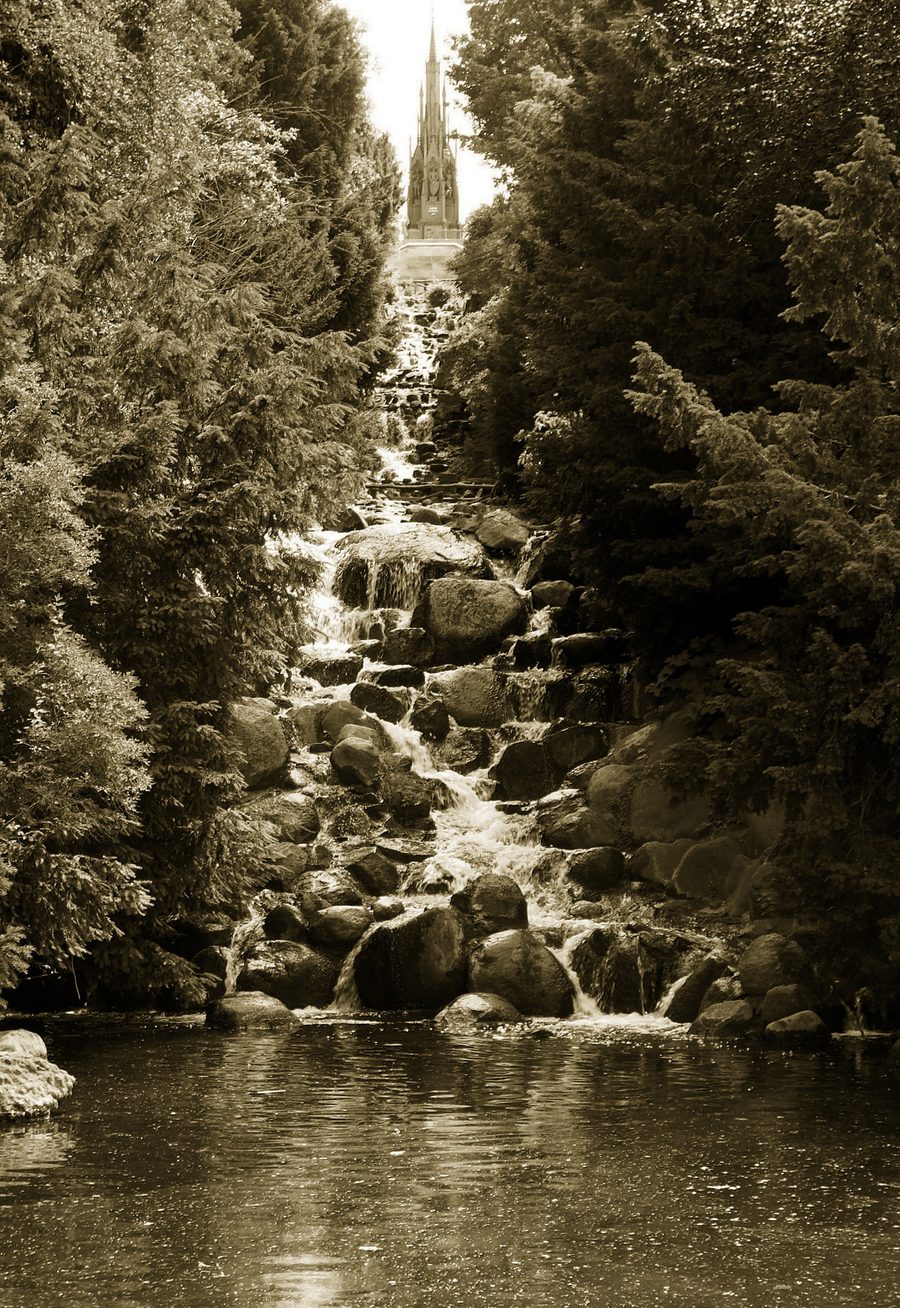 Das Nationaldenkmal prägt den Kreuzberg im Viktoriapark.
Photo: Neuköllner via Wikimedia Commons, CC BY-SA 4.0
Das Nationaldenkmal prägt den Kreuzberg im Viktoriapark.
Photo: Neuköllner via Wikimedia Commons, CC BY-SA 4.0
If you would also like to compare other Berlin districts, you will find the broader overview on the Berlin page. Kreuzberg itself is especially interesting when not only famous sights, but also city history and local life are part of the travel experience.
Quick facts about Kreuzberg
- Character: a dense Berlin district with history, culture, gastronomy, and urban street life.
- Historical reference: During the Wall era, former SO 36 was enclosed on three sides and developed its own alternative culture in the 1970s and 1980s.
- Green break: In Viktoriapark, Kreuzberg hill, a historic monument, and an artificial waterfall come together with a green park landscape.
- Food highlights: Markthalle Neun and the Turkish Market on Maybachufer are representative of Kreuzberg’s market- and food-oriented urban culture.
Between the Wall era and a lively neighborhood
The history of former SO 36 makes Kreuzberg more than just any inner-city place to stay. The special situation during the Wall era shaped an alternative culture whose historical traces make today’s district context easier to understand. At the same time, Kreuzberg today stands for a dense mix of culture, gastronomy, street life, and urban leisure activities.
For your stay, this means: Kreuzberg may be a good fit if, alongside Berlin culture, you want neighborhood atmosphere, a range of food options, and green breaks to be part of the travel plan. Anyone who wants to get to know a city not only through individual landmarks, but through districts, history, and everyday scenes, will find concrete points of reference in the documented Kreuzberg connections.
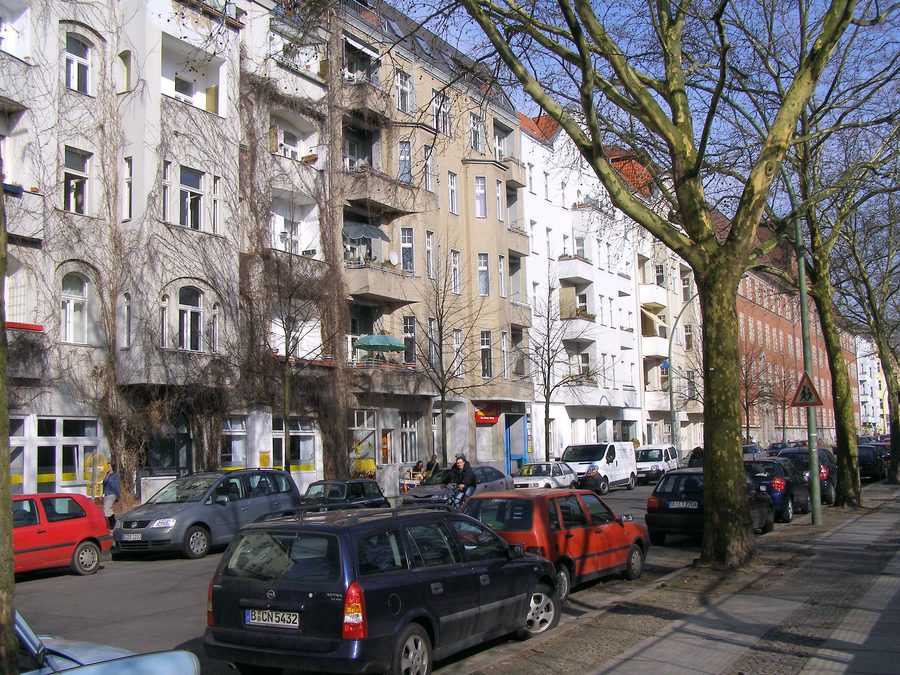
Bergmannstraße: food, cafés, and strolling
Around Bergmannstraße, international gastronomy, cafés, small shops, and a partly traffic-calmed, green street atmosphere come together. This makes this part of Kreuzberg tangible as an example of an urban day trip: different interests can be combined with eating, looking around, and a slower walk, without limiting the stay to a single cultural destination.
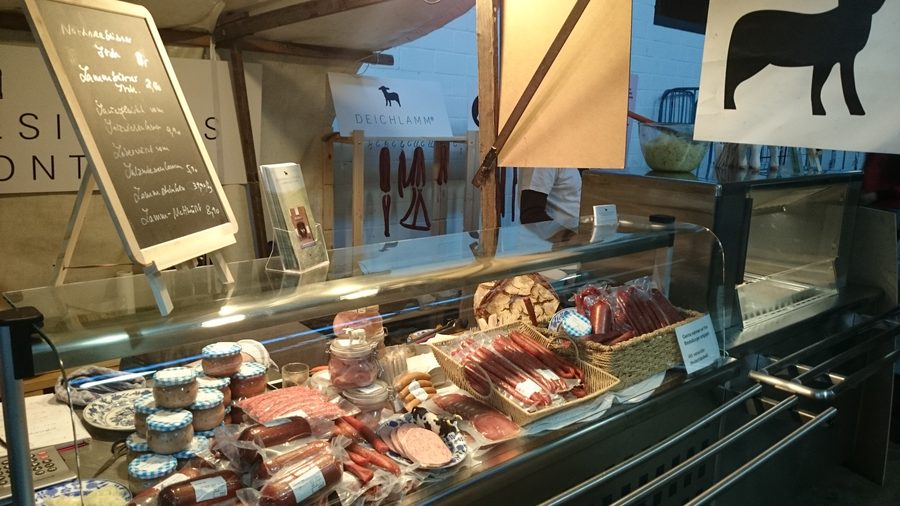
The market side of the district is part of that as well. Markthalle Neun and the Turkish Market on Maybachufer stand for Kreuzberg’s varied food and market culture. If culinary discoveries are an important part of your trip, this orientation can play a role when choosing where to stay. Check how well the places you want to visit fit into your personal daily plan rather than relying on general distance or time promises.
Museums and Viktoriapark for different day plans
Cultural points of interest in the Kreuzberg context include the Berlinische Galerie with modern and contemporary art connected to Berlin, as well as the Jewish Museum Berlin as an entry point to Jewish history and the present in Germany. Current exhibitions and programs can change; for concrete day planning, you should check the respective details separately.
As a counterbalance to museums and street life, Viktoriapark offers a striking green focal point. Kreuzberg hill gave the district its name and, together with the historic monument and the artificial waterfall, forms a distinctive park landscape in the densely built-up urban environment.
Which location best suits your stay?
The most important decision is not a blanket “central” or “quiet,” but the daily rhythm you want. Anyone focusing on neighborhood life, gastronomy, and cultural discoveries may consider a more urban location. Anyone planning green breaks between cultural outings should compare the specific place to stay with the desired program around Viktoriapark.
For families with changing daily plans, it is also advisable to assess the location based on the museums, parks, and other Berlin destinations planned. This makes it easier to judge whether the daily organization fits your own travel routine. Statements about individual apartments, amenities, prices, availability, or transport connections cannot be derived from the Kreuzberg context and should therefore always be checked in the specific listing.
That leaves Kreuzberg above all as a choice for travelers who want to combine city history, culture, food, and urban atmosphere with a documented green break. The right vacation apartment results from the mix of experiences you actually plan.
Frequently asked questions about Kreuzberg
What makes Kreuzberg special as a travel destination?
Kreuzberg combines Wall-era and neighborhood history with culture, gastronomy, urban street life, and green places such as Viktoriapark.
Which experiences can be combined in Kreuzberg?
You can include cultural institutions, the park landscape around Kreuzberg hill, and market and food atmosphere in your stay. Current programs and opening times should be checked separately.
Which location suits which kind of stay?
For neighborhood life and gastronomy, a more urban orientation is suitable; for a stay with green breaks, you should check the specific location and the routes to your desired park or cultural program.

,_Viktoriapark,_Berlin-Kreuzberg.jpg)

