
Bad Bocklet: Spa Park, Springs and Local History
Accommodation in Bad Bocklet
Bad Bocklet became known as a spa town thanks to its steel spring. Today, the extensive spa park on the Franconian Saale, historic views of the town and the museums at Aschach Castle offer various reasons to explore the area. There is also a flat section of the Rhön Cycle Path and a four-in-hand post coach ride in summer. During your stay, you can choose between nature by the water, cycling and cultural history.
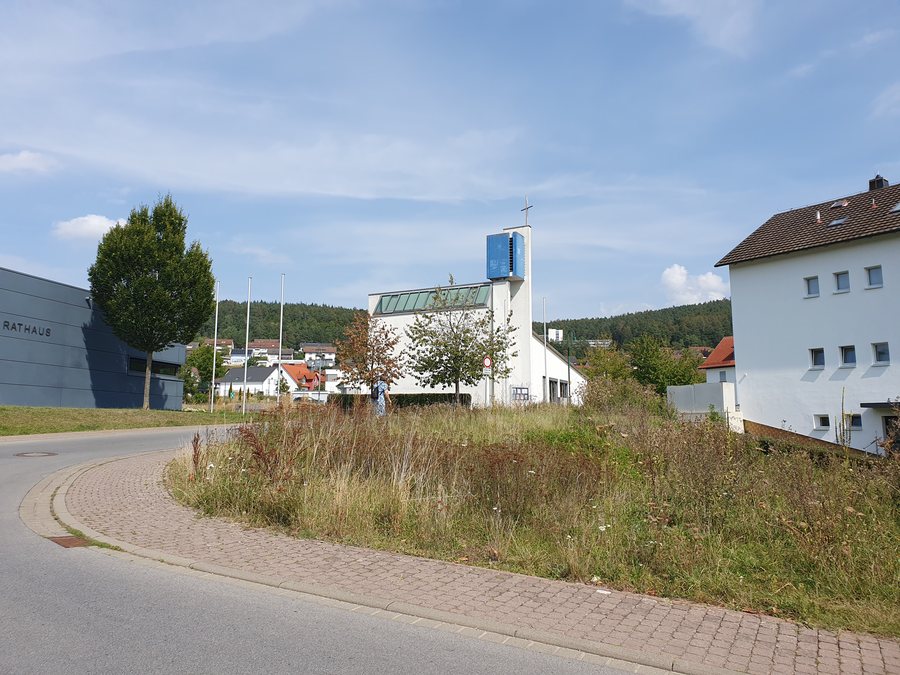 File:Johanneskirche Bad Bocklet 2024 Panorama SW.jpg
Photo: Hans G. Oberlack via Wikimedia Commons, CC BY 4.0
File:Johanneskirche Bad Bocklet 2024 Panorama SW.jpg
Photo: Hans G. Oberlack via Wikimedia Commons, CC BY 4.0
Spa Park and Springs
In 1724, Johann-Georg Schöppner, the parish priest of Aschach at the time, discovered the steel spring. Its discovery established Bad Bocklet’s reputation as a spa town. Another spring in the spa park is the 300-year-old Balthasar Neumann Spring.
The extensive spa park borders the Franconian Saale. A Saale meander was created there in 2018, where you can dip your feet in the water. If you enjoy taking a break by the water, this offers a tangible contrast to the historical sites and the surrounding paths.
Cycle Path and Ride Through the Saale Valley
The starting point for all routes in Bad Bocklet is in the spa park, by the weather shelter at the mini-golf course. A flat, 12 km section of the Rhön Cycle Path runs via Aschach and Hausen to Bad Kissingen. Its length, route and flat terrain give you specific details for planning your ride, without implying a particular journey time.
During the summer months, a four-in-hand post coach travels through the Saale Valley from Bad Kissingen to Bad Bocklet and Aschach Castle. In summer, visitors can choose a post coach ride as an experience alongside the cycle path.
Aschach Castle and Local History
Three museums at Aschach Castle offer different historical perspectives. At the Graf-Luxburg Museum, visitors can see the former living quarters of the von Luxburg family and the workspaces of their servants. Multimedia, audio and interactive stations complement the exhibition. Using selected exhibits, the Folklore Museum presents the everyday life of the rural population of the Rhön between 1850 and 1950, showing how people lived, worked and made a living. The School Museum displays materials from rural schools in Lower Franconia and an original schoolroom.
When planning a visit with children, you can choose among these topics according to their interests: living and working spaces, everyday life in the Rhön, or the history of rural schools. Bad Bocklet’s oldest church adds to the town’s historical landmarks. It was consecrated in 1620 by Auxiliary Bishop Eucharius Sang and has a Julius Echter tower.
Another way to learn about local history is the “Journey Through Time in Bad Bocklet.” This route, which is open to the public, features framed historical postcards from Bad Bocklet. The postcards document 130 years of local history and the development of selected buildings.
If you are looking for a holiday apartment in Bad Bocklet, you can choose your holiday destination according to whether the spa park and springs, the cycle path or cultural history should shape your stay.
Other local pages in this overview: Schondra, Elfershausen, Thundorf In Unterfranken, Fuchsstadt, Maßbach, Ramsthal, Aura An Der Saale, Euerdorf.
Back to the main travel overview: Bad Kissingen.

