
Zell im Fichtelgebirge: Waldstein, Trails and Culture
Accommodation in Zell im Fichtelgebirge
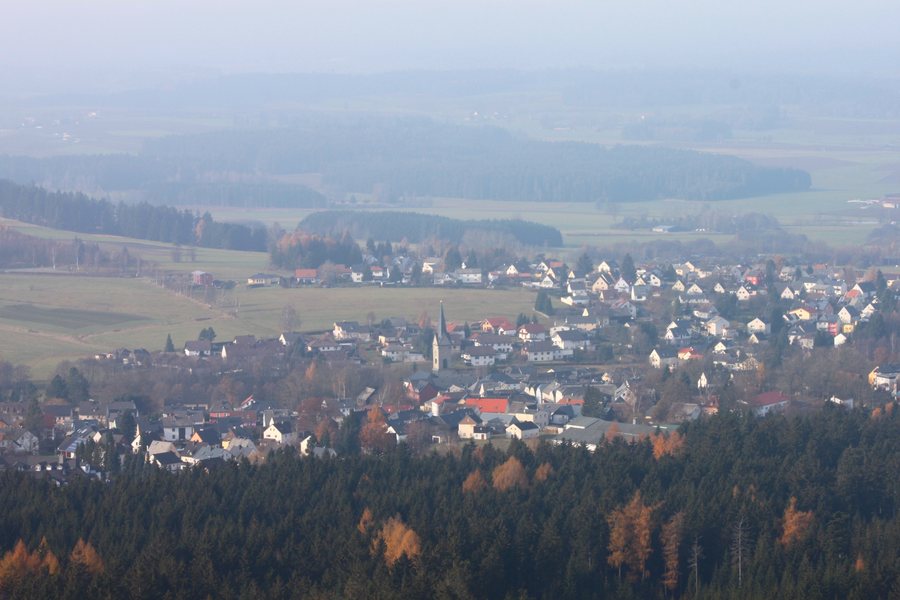
Zell im Fichtelgebirge lies at the foot of the 877 m-high Großer Waldstein. Extensive high forests of the Waldstein range and a panoramic view of the low mountain landscape shape the scenery. At the same time, Zell is a state-recognised health resort in the Fichtelgebirge Nature Park. The area offers a range of attractions, from nature trails and striking rock formations to rural architectural heritage and living traditions.
The Waldstein Landscape and Its History
Close to the village, Arnsteinfelsen is a rock tower around 30 m high, with a viewing platform. From there, you can see Zell and look towards the Frankenwald. Schüssel is the highest point on the Waldstein and offers sweeping views of the surrounding countryside. Those interested in historic sites will find the castle ruins on the Großer Waldstein. The Sparneck knights lived there in the 14th century, and its red bricks gave it the name “Red Castle.” The surviving sections of wall bear witness to its history. Before the path up to the ruins, the rocks of Teufelstisch form the shape of a table. The historic bear trap on the Großer Waldstein is another distinctive structure in the area: built around 1656, it is considered unique in the world.
The Farm Museum and Zell Traditions
At the Upper Franconian Farm Museum in Kleinlosnitz, the Dietelhof tells the story of Upper Franconia’s rural architecture. The four-sided farmstead, with its thatched roof, dates from the late 18th century and, with its original furnishings, is considered one of Upper Franconia’s most valuable examples of rural architecture. Traditional craft techniques are still practised there today to preserve the buildings. The museum’s educational discovery trail begins in the Schupfen, offering a different way to explore history than simply looking at a single building. The Fichtelgebirge Nature Park information centre is also located in the museum.
Every summer, the Zell amateur theatre group holds the Park Festival in Zeller Park. This gives Zell a recurring local tradition alongside its natural and historic sites. Visitors can shape their trip around their interests, choosing between the Waldstein landscape, a museum visit and the summer festivities, without combining these distinct experiences into a single excursion programme.
Trails, Cycling Routes and Quiet Moments
The forest nature trail begins at the Walpenreuth hiking car park and includes several stops featuring trees and local wildlife and plant life. The Humboldtweg, by contrast, is a longer route: around 10 km in length, it starts in Zell’s market square. The trail passes a former quarry before climbing towards the summit of Haidberg. These details about the starting point and route help you fit this hiking option into your day’s plans.
The Saale Cycle Route is also worth considering when planning a holiday: its first two stages run from Zell im Fichtelgebirge to Blankenstein in Thuringia. Fishing is possible at Reiterteich, where there are also benches. So, alongside hiking and cycling routes, visitors can choose to spend time at a place with fishing opportunities and seating.
Getting There
Zell im Fichtelgebirge is about 10 minutes from the Münchberg or Gefrees exits of the A9. Travellers arriving by train can continue from Münchberg to Zell by bus. When choosing a holiday apartment, your plans can help guide your decision: the Waldstein viewpoints and trails, the cultural history of the farm museum or the cycling stages each appeal to different interests. These places and experiences offer practical guidance when deciding whether Zell is the right holiday destination for you.
More Places to Explore
Other places in the same local listings: Selbitz, Helmbrechts, Trogen, Berg, Bad Steben, Sparneck, Schwarzenbach Am Wald and Issigau.
For the regional travel overview: Hof.

