
Discover Erdweg and get to know Dachau as a travel destination
Accommodation in Erdweg
There is an e-bike charging station at the Wirtshaus am Erdweg. During the restaurant’s opening hours, batteries can be charged in lockers equipped with power sockets. If you are planning to travel by e-bike, be sure to factor in this restriction to the restaurant’s opening hours when planning your day.
The wider Dachau travel destination: countryside and routes
Within the wider Dachau travel destination, Lake Karlsfeld is located right next to the built-up area of northern Karlsfeld. It covers 58.2 hectares and is in the district of Dachau. The lake is used year-round for walks, jogging, cycling and recreation. These different activities offer a range of ways to experience the lake.
The “Lebensader Maisach” is a route of around 2.5 kilometres that follows a river. It runs along the Maisach and is accessible to people with limited mobility from Bergkirchen or Günding. The sculpture trail on Petersberg offers a different focus: it is 200 metres long, runs through Petersberg Forest and includes eight stops featuring a total of ten works of art. The route lengths and themes allow for a specific comparison without specifying a walking time or level of difficulty.
The Amper floodplains offer another side of the Dachau travel destination for nature watching. With patience and a little luck, you can discover the extraordinary feeding marks of the beaver, which has returned to the area.
Culture and history in Dachau
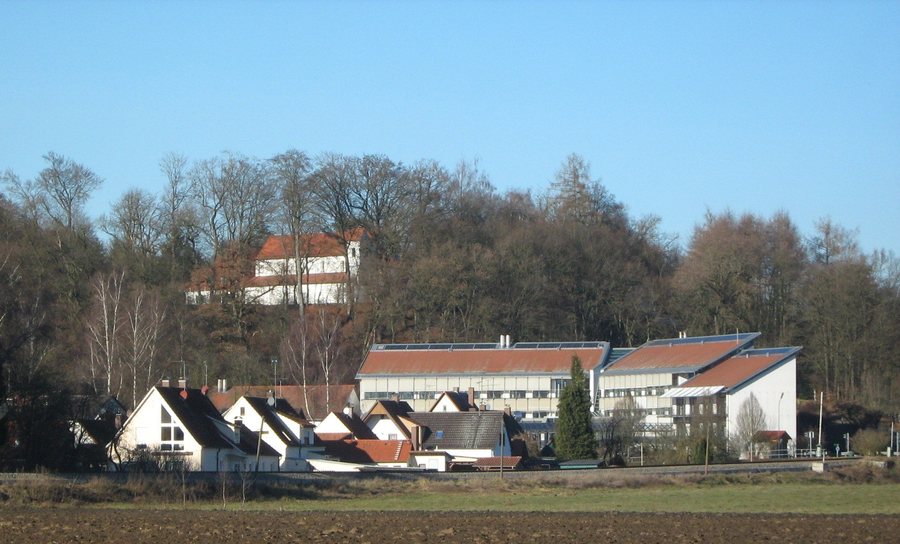
A Romanesque basilica stands on Petersberg near Erdweg. It was built in 1104 and has been preserved to this day. Petersberg therefore brings together two distinct cultural themes: the history of Romanesque architecture and the works of art along the sculpture trail.
In Altomünster, the permanent exhibition at the Museum Altomünster presents the history of the Order of Saint Bridget in Europe and its founder, Saint Bridget of Sweden. This includes the history of the now-closed Altomünster monastery, which had existed for 500 years. The “Art and Culture around Klosterberg” walking trail loops around the monastery and passes important sights. The middle route of the “7 Monasteries Trail” takes a different approach: it leads to Altomünster, which was home to a Bridgettine monastery for centuries, and to Petersberg near Erdweg.
Mariabrunn also tells a story of religious history in the Dachau travel destination. After a miraculous healing attributed to water from a spring, the place developed into an important pilgrimage site in the Diocese of Freising from 1662 onward. Today, Mariabrunn is part of the municipality of Röhrmoos. A connecting route to the Munich Way of St. James also takes walkers through the Dachau region; this route continues as far as Lindau.
In Dachau, the District Museum covers, across three floors, topics including settlement patterns, city history, guild and market rights, crafts and trade, everyday life, festive customs and religious folk culture. It presents the cultural history of the city and district of Dachau. The permanent collection at the Dachau Picture Gallery offers a different perspective, featuring landscapes and genre paintings from the 19th and early 20th centuries. Dachau’s historic old town is a protected ensemble and invites visitors to stroll and linger.
Dachau Wittelsbach Castle was once a popular summer residence of the Wittelsbach family. The climb up to the castle offers views across the Munich gravel plain, the state capital of Munich and, as far as the Alps. Guided tours are held regularly at the castle; current dates are announced as they become available.
Discover more destinations: Schwabhausen, Odelzhausen, Bergkirchen, Haimhausen, Karlsfeld, Weißling, Röhrmoos, Vierkirchen
Return to the wider travel overview: Dachau.

