
Vacation apartment in Aalen
Accommodation in Aalen
Aalen combines a historically shaped townscape with Roman archaeology and topics from geological history. Anyone looking for a vacation apartment in Aalen will find not just a place to stay, but a starting point for a trip between urban history and landscape references in the wider Ostalb region.
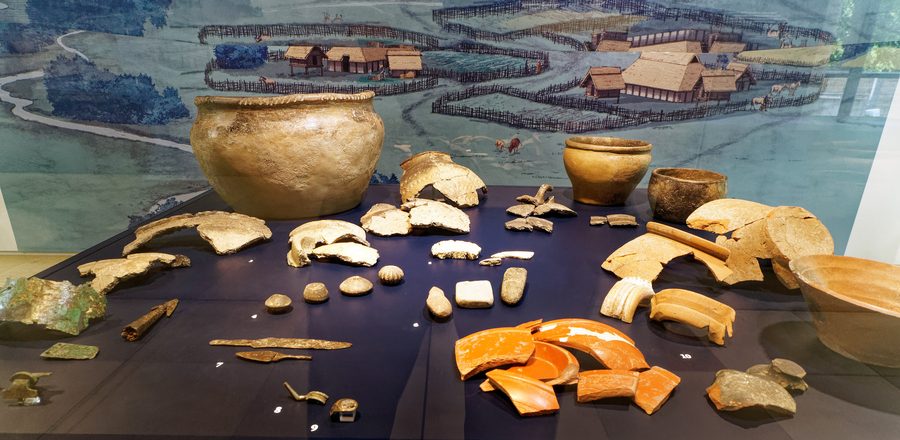 Das Limesmuseum Aalen wird als archäologisches Museum mit angeschlossenem Freigelände beschrieben.
Photo: Holger Uwe Schmitt via Wikimedia Commons, CC BY-SA 4.0
Das Limesmuseum Aalen wird als archäologisches Museum mit angeschlossenem Freigelände beschrieben.
Photo: Holger Uwe Schmitt via Wikimedia Commons, CC BY-SA 4.0
Key facts about Aalen
- Aalen is located in Baden-Württemberg and is the seat of the Ostalbkreis district.
- The historic townscape includes numerous half-timbered houses from the 16th to the 18th century.
- The Limes Museum Aalen is described as an archaeological museum with an adjoining open-air area.
- In the immediate and wider surroundings, the Ellwanger Berge, the Swabian Alb, and the Kocher are mentioned as landscape references, among others.
Historic townscape and Roman traces
The market square and historic inner-city buildings are part of Aalen's townscape. Numerous half-timbered houses from the 16th to the 18th century give the town's history tangible form. This allows a stay in the town to be combined with a specific historical focus.
Another clear focus is Roman history. The Limes Museum Aalen is described as an archaeological museum with an adjoining open-air area. Anyone placing historical themes at the center of their trip should first check, when choosing a vacation apartment, how well the desired stay in the town and at the museum fits their own travel plans.
Fossils and geological history as a second line of experience
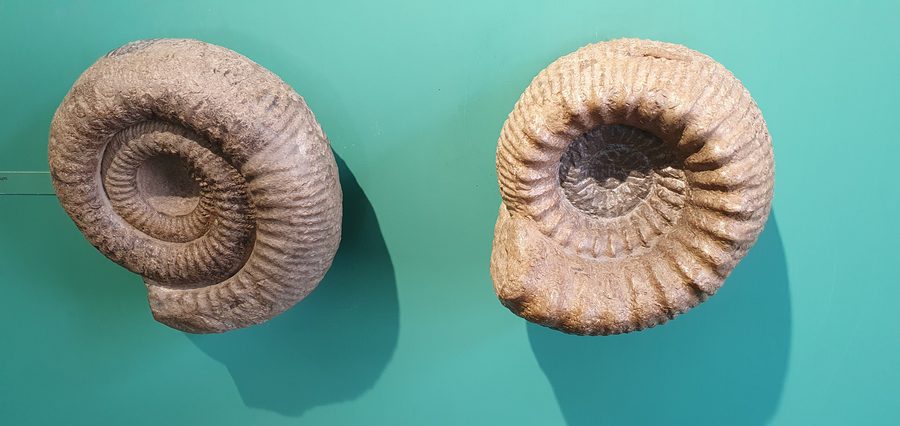
In Aalen, the concept of culture extends beyond the town's history and Roman history. According to verified local information, the Urweltmuseum Aalen is dedicated to fossils and the geological history of the region. This natural-history emphasis complements the historic townscape with a different theme. In this way, a stay can be oriented toward different cultural and natural-history focuses without being limited to just one type of sightseeing.
Ammonites from the Urweltmuseum illustrate the museum's connection to fossils and geological history. This makes it possible to classify Aalen as a destination when urban history, archaeology, and geological history are of interest together.
Aalen and the landscape of the wider region
As a town with its own historical and cultural identity, Aalen remains distinct from the wider region. At the same time, the Ellwanger Berge, the Swabian Alb, and the Kocher are mentioned in the surrounding area and broader regional context as landscape references. Anyone who wants to combine city visits with landscape references can therefore consider Aalen a starting point for a correspondingly planned trip.
For choosing accommodation, this does not result in a blanket recommendation for a particular location. Rather, it makes sense to match the location of the vacation apartment with the actually planned destinations and one's own mobility. If the focus is to be on historical city and museum themes, the desired stay in the town is a separate selection criterion. For a regionally oriented trip, the planned landscape destinations should also be taken into account.
The overarching framework for further accommodation bases in the district is provided by Ostalbkreis.
Frequently asked questions about Aalen
What makes Aalen an interesting travel destination?
Aalen combines a historically shaped townscape with archaeological themes. Mentioned are half-timbered houses, historical inner-city references, and the Limes Museum with an open-air area.
Can you combine urban history and landscape in Aalen?
Yes. The information links Aalen as a town with landscape references in the immediate or wider surroundings, including the Ellwanger Berge, the Swabian Alb, and the Kocher. The specific planning depends on the destination and one's own mobility.
What cultural themes does Aalen offer?
The points of reference mentioned include urban history, Roman history, as well as fossils and geological history. This allows a stay to be oriented in different cultural and natural-historical ways.


