
Middelfart Municipality: Holiday Apartments Between Coast, Nature and Culture
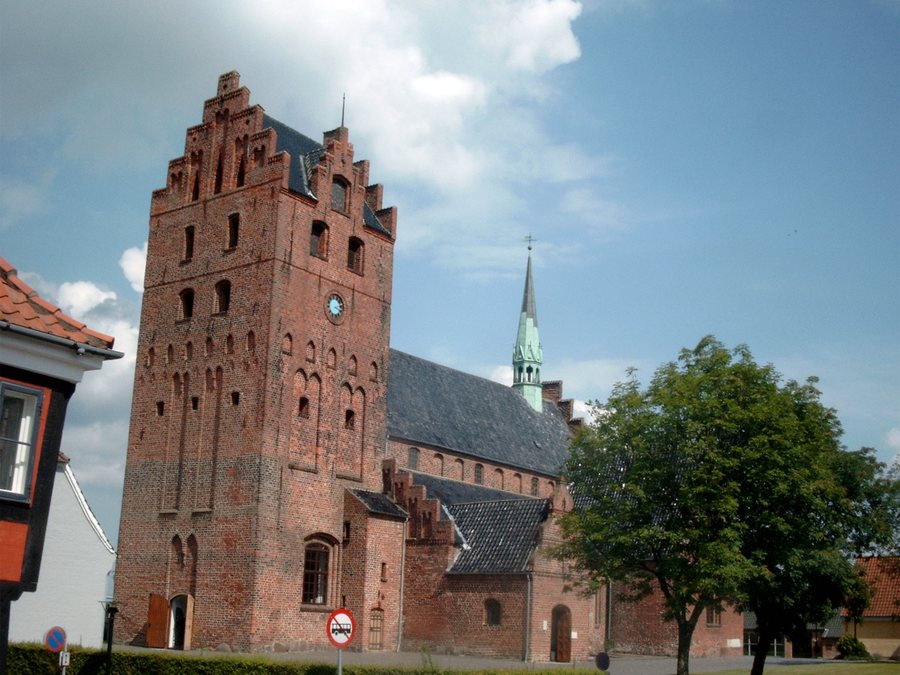
Middelfart has 117 km of coastline and combines distinctive landscapes, waterside paths, maritime history and unusual museums. Coastal formations, nature reserves, crafts and active experiences exist side by side in the region.
Landscape and Nature
Røjle Klint rises 40 metres high and consists of moraine clay and meltwater sand from three ice ages. Visitors may be able to find fossils on the beach below the cliff. Gamborg Fjord is part of the EU Lillebælt Habitat Area and is also part of an internationally protected bird sanctuary. At Føns Vang, the bird tower offers a good view over Føns Vang and the birds living there. Numerous branching paths also make the area accessible for pushchairs and wheelchair users.
Paths, Water and Exercise
The 27 km-long Lillebæltsstien is a coastal trail from Strib in the north to Gamborg in the south. It passes through the town of Middelfart and across the Hindsgavl Peninsula. Another route is the 6 km-long Kongebroruten, which passes Hindsgavl Castle, runs through the forest and follows the northern coast of the Hindsgavl Peninsula. National cycle routes also pass through Middelfart Municipality.
Staurby Skov has a 5.6 km-long mountain bike trail with a skills area. It is designed as a one-way route and marked with blue arrows. In the same forest, the disc golf course has 12 holes. Along the coast of the Little Belt, there are numerous opportunities to launch kayaks: conditions are often sheltered from the wind for beginners, while challenging currents are also available for experienced paddlers.
Middelfart Municipality has 14 official beaches, five of which have Blue Flag status. Føns has an officially registered and approved open-water swimming course measuring 200 × 50 metres, as well as changing facilities. During Bridgewalking, visitors stand on the Old Little Belt Bridge 60 metres above the water and take part in an approximately two-hour guided tour through the steel structure.
Culture and Ceramics
The CLAY Museum of Ceramic Art is the largest museum in the Nordic region for ceramic art, crafts and design. Keramikruten is a free 2.3 km-long walking route in Middelfart that connects the CLAY Museum of Ceramic Art with the waterfront promenade and the old town. It uses the Clayfinding system of glazed tiles and stones embedded in the cobblestones. Keramikruten is freely accessible around the clock every day and open to everyone.
Middelfart Lervarefabrik used locally available blue clay and produced utilitarian and decorative objects from the 1890s to the 1940s. The MIND Museum is located in a patient house of the former Middelfart psychiatric sanatorium, which existed from 1888 to 1999, and has Denmark’s largest collection of objects relating to the history of psychiatry. There is parking behind the MIND Museum; the museum is accessible to wheelchair users.
Maritime Heritage
Gl. Havn is Denmark’s first cultural harbour and was awarded by the Ship Preservation Foundation in 2023. Around 10 vessels worthy of preservation are located there. The jolle houses at Gl. Havn contain a maritime exhibition, and the harbour also has a listening station with sounds of harbour porpoises.
Lillebæltsværftet is now run by volunteers who keep the craft and maritime cultural heritage alive. Boats are still built there using the traditional clinker-building method. In this way, historical materials, preserved vessels, living craftsmanship and contemporary museum work come together in a shared maritime context in Middelfart.
Other Places
For further location options, you can choose from Ejby, Middelfart, Husby, Røjle, Hjorte, Vejlby Fed, Viby, Bro, Nørre Aaby, Gelsted Parish, Båring, Båring Strand, Føns, Asperup and Brenderup.
For the higher-level travel overview: Funen.
Check prices, availability and amenities for your travel dates directly at Booking.com.
View accommodation and offersAdvertisement · Affiliate link to Booking.com
