
Pomorie – dark sand, salt museum and history
Pomorie combines an unusual trinity of coast, history and nature: The town has a beach approximately five kilometres long with dark sand, while wine was already being produced in Pomorie in the 1st century BC. If you enjoy switching between water, culture and landscapes on holiday, these themes can be deliberately placed alongside one another when planning your trip. The differences range from maritime impressions and historical evidence to a landscape shaped by salt production and bird migration.
You can also explore the local pages for Medovo, Aheloy and Kableshkovo.
Beach and maritime experiences
The seabed off Pomorie Beach slopes gently, making the sea there suitable for swimming. Pomorie Bay is used for sailing regattas. The town also has a fishing port. Water, sailing and fishing therefore form three different maritime themes that you can consider separately when planning your trip. This means that, alongside the classic beach experience, the view of the port and bay becomes a distinct part of the coastal landscape.
Culture and history
The ancient domed tomb near Pomorie dates from the 2nd to 4th century AD and is a cultural monument of national importance. Tourist access to the tomb is considered easy and convenient. The Church of the St. George Monastery contains valuable examples of iconographic art. The monastery is associated with the spirit of the Bulgarian National Revival period of the mid-19th century.
The architectural reserve of the old Pomorie houses shows the appearance of a traditional 19th-century Black Sea town house. Your planning can therefore place archaeological history, sacred art and historic architecture alongside one another as distinct cultural focal points. The sites thus differ not only in terms of their period, but also in terms of the type of cultural heritage they present.
Nature and salt landscape
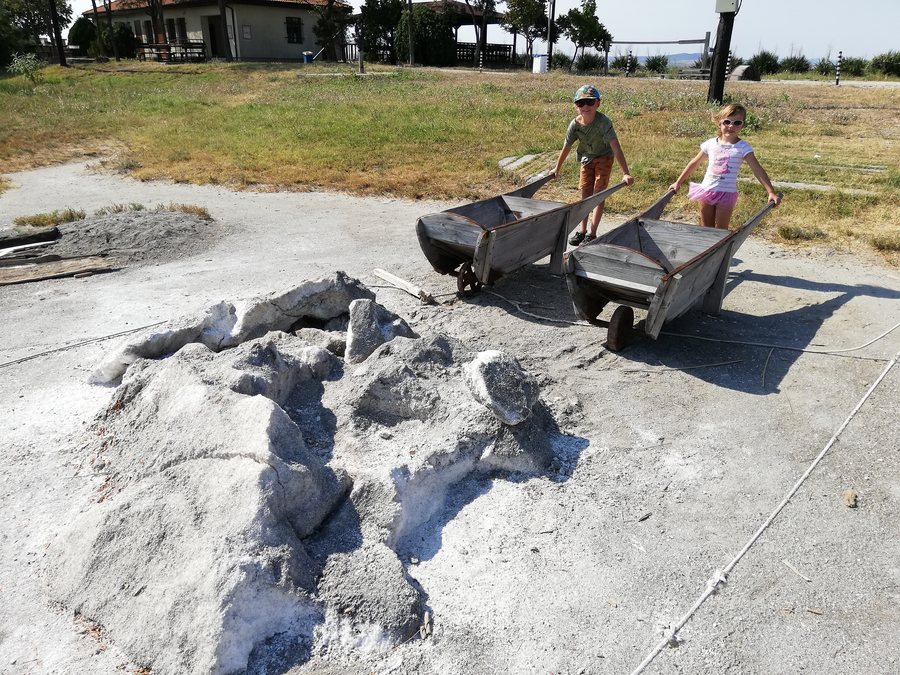
Immediately beside the Salt Museum are salt pans covering 20 decares, where salt is still being produced. The Via Pontica bird migration route runs across Lake Pomorie. Lake Pomorie is a protected zone, and more than 200 bird species have been observed in its habitat. Pomorie liman mud is used for treatment and recreation.
Salt production, bird migration, protected status and the observed diversity of species give the landscape several clearly distinct themes. If you would like to assign different priorities to nature, the coast and culture, you can compare these focal points when planning your trip. Within the nature-related themes, the spectrum thus ranges from ongoing salt production to the protected ecosystem of the lake.
Information and surrounding area
The Tourist Information Centre in Pomorie provides information about local and national bus connections, the locations of bus stops, transport services, tourist attractions and rehabilitation facilities. Pomorie’s proximity to Nessebar and Sozopol gives visitors access to ancient heritage and attractions in both towns.
The choice of a holiday apartment in Pomorie can be based on travel dates, apartment type and cancellation conditions. This keeps the accommodation question separate from the different themes of the coast, culture, salt landscape and birdlife.
For the higher-level travel overview: Pomorie.
Check prices, availability and amenities for your travel dates directly on Booking.com.
View accommodation and offersAdvertisement · Partner link to Booking.com
