
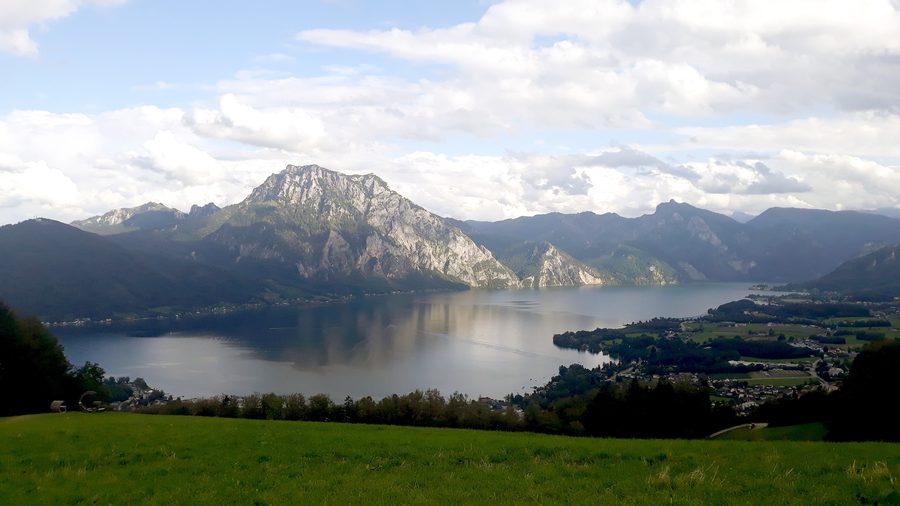
 Traunsee und Traunstein im Salzkammergut zeigen das Zusammenspiel von See und Berglandschaft.
Photo: acediscovery via Wikimedia Commons, CC BY 4.0
Traunsee und Traunstein im Salzkammergut zeigen das Zusammenspiel von See und Berglandschaft.
Photo: acediscovery via Wikimedia Commons, CC BY 4.0
Austria combines alpine mountain landscapes and alpine meadows with lakes, river floodplains, vineyards, historic places, and cities rich in culture. This allows families to combine hiking, cycling, and outdoor experiences with quieter days focused on water, museums, or food and drink. The contrast between active and relaxed days is especially appealing when travelers have different interests.
Quick & clear: Austria at a glance
- Austria brings together alpine mountain landscapes and alpine meadows with lakes, forests, vineyards, and river floodplains.
- The Salzkammergut, Altaussee, and Traunsee stand for landscapes where water and mountains meet.
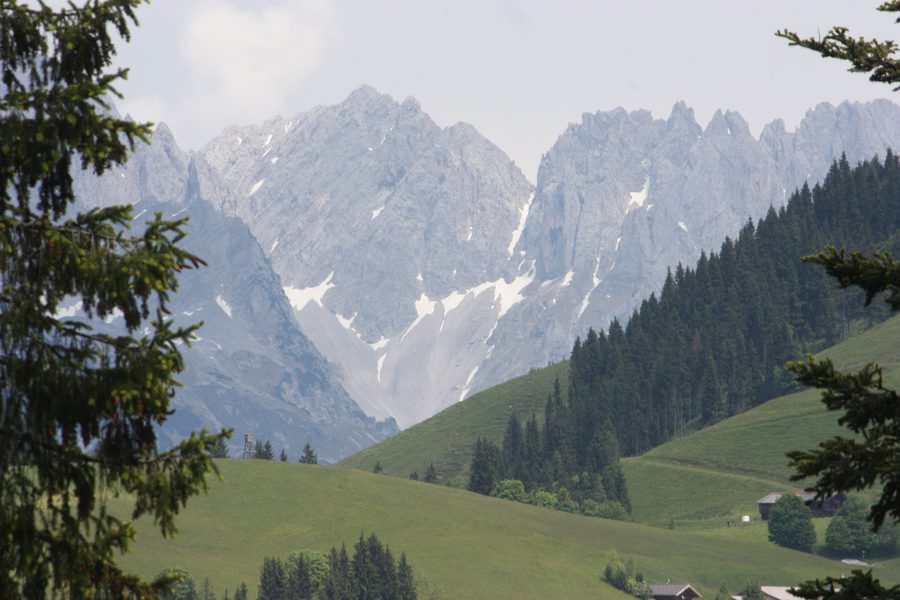
- The Ötztal, Stubaital, and Wilder Kaiser are examples of alpine regions for hiking and climbing.
- Hiking, cycling, and experiences on lakes and rivers are among the defining outdoor activities.
- Historic old towns, museums, regional specialties, and cafés combine culture and enjoyment.
- The Wachau and Southern Styria show travel settings in which wine, landscape, historic places, and culture work together.
- For cities and many holiday regions, trains and buses are an option; in remote valleys or on flexible touring trips, a rental car can be practical.
Four travel settings for different holiday days
Mountains and active nature
If movement is to shape the holiday, alpine regions move into focus. In the Ötztal, the Stubaital, and around the Wilder Kaiser, hiking and climbing are among the characteristic experiences. Here, the mountain world becomes the day’s program, not just the backdrop. Families with different age groups can alternate active mountain days with easier activities so that time together stays varied. A holiday apartment or holiday home should therefore match the planned nature experiences in particular.
Combining lakes, rivers, and mountains
Anyone who wants to combine water experiences and mountain scenery will find fitting examples in the Salzkammergut, at Altaussee, or on the Traunsee. This kind of trip leaves room for time by the water, walks, and nature outings without being tied to a demanding activity program every day. That works especially well when different ideas of relaxation come together within the family. Before booking, it is therefore worth checking whether the accommodation is located near the planned lake and nature days.
Cities, history, and regional culture
Austria’s travel experience does not end at the foot of the mountains. Historic old towns, museums, regional specialties, and cafés give the holiday an urban and cultural side. Such days complement outdoor experiences and offer a shared discovery when not everyone wants to hike or cycle all day. For an itinerary that includes city visits, a central location or one near the edge of town can make more sense than an accommodation in a particularly quiet rural setting.
Wine, landscape, and culinary travel
The Wachau along the Danube and Southern Styria show two Austrian travel settings in which wine, landscape, historic places, and culture interact. In Upper Austria, regional food, dumplings, beer culture, and inn traditions can complement a culinary outing. These references should be understood regionally and are not a selection of typically Austrian individual dishes. A quieter regional base suits a pleasure-oriented daily rhythm, while a city location supports other cultural priorities.
Deriving the accommodation location from day plans and mobility
The right holiday apartment or holiday home depends on the travel profile. For active alpine days, proximity to the desired hiking or climbing experiences is decisive. For a holiday focused on water, the connection to the desired lake or river region matters. City and culture programs benefit more from a central location or one near the edge of town, while a quieter regional setting can suit wine, landscape, and culinary days.
Mobility also changes the character of the holiday. Cities and many holiday regions can be reached by train and bus. In remote valleys or on a flexible touring trip, a rental car can be practical. Align the location, the day’s destinations, and the needs of your fellow travelers before booking so that active and quieter days fit well together.
Continue discovering Austria by federal state
For lake and nature experiences, Upper Austria, SalzburgerLand, and Carinthia are good follow-on destinations. Alpine travel settings can be explored further in Tyrol and Vorarlberg. Burgenland adds another Austrian federal state to the selection.
The Danube, culture, and culinary side of Austria leads to Lower Austria, Styria, and Vienna. Which of these landscapes fits best depends on whether shared holiday days should be shaped above all by mountains, water, culture, or culinary enjoyment.
Frequently asked questions about Austria
Which landscape is right for a holiday with mountains and lakes?
The Salzkammergut, Altaussee, and Traunsee combine water and mountain experiences. The Ötztal, Stubaital, and Wilder Kaiser place a stronger emphasis on alpine activities such as hiking and climbing.
How can nature days and culture be combined?
Historic old towns, museums, regional specialties, and cafés complement hiking, cycling, and days at lakes or rivers. The Wachau and Southern Styria also combine wine, landscape, and historic places.
What kind of accommodation location suits a varied holiday in Austria?
A location close to the mountains supports planned active days, while a connection to a lake or river region makes water experiences easier. For city programs, a central location or one near the edge of town can be useful; a quieter regional base is more suitable for wine and landscape days. In remote valleys or on touring trips, mobility should be factored into the choice of location.


,_Blick_von_der_Silleralm_zum_Wilden_Kaiser.jpg)