
Durrës: Holiday Apartments and Holiday Homes
Accommodation in Durrës
Durrës is located on Albania’s west coast on the Adriatic Sea and has been continuously inhabited for more than 2,600 years. During the Roman period, the city gained importance through the Via Egnatia, which connected Durrës with Thessaloniki and Constantinople.
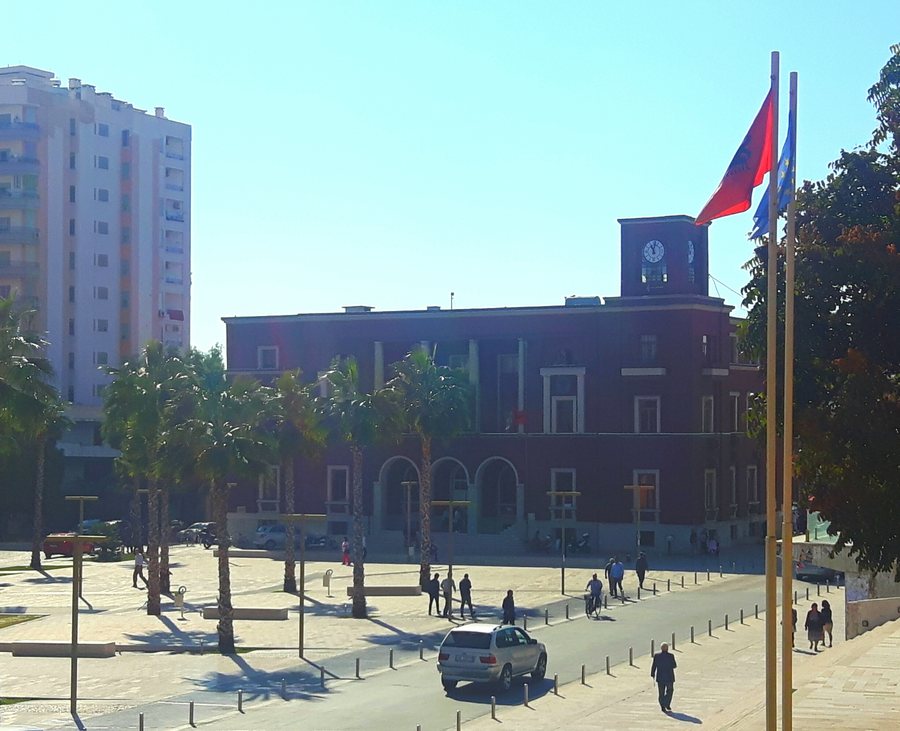
When planning a stay in Durrës, you may wish to rent a holiday apartment.
Coast and Sea
Durrës Beach stretches along an approximately 10.5-kilometre coastline with golden sand and the Adriatic’s warm waters. It offers opportunities for swimming and long walks along the shore; the calm, shallow water is considered suitable for children.
Beach activities include jet skiing, boating, parasailing and volleyball. Durrës’s waterfront promenade provides a modern setting for relaxation and leisure, with restaurants, hotels, art galleries and cultural venues. Durrës is also Albania’s largest seaport.
History and Cultural Heritage
The Amphitheatre of Durrës was built in the early 2nd century AD under Emperor Trajan. It is considered an elliptical structure measuring approximately 136 metres in diameter and 20 metres in height, with seating for around 15,000 to 20,000 spectators. Today, the archaeological site is open to the public and is included on Albania’s UNESCO Tentative List.
The Rotunda and the Byzantine Forum document the public, commercial and institutional life of Dyrrachium in the 5th and 6th centuries. Durrës Castle and the surrounding walls form a protected cultural monument and are among the city’s most important tourist attractions.
The Venetian Tower was built on Byzantine foundations as a defensive and observation structure and now serves as Albania’s first Heritage Interpretation Center. Its concept includes virtual reality offerings, audio guides, dome projections and interactive activities. The medieval Hamam of Durrës was built in the 18th century near Epidamn Boulevard and the Venetian Tower. It is one of the few surviving hamams in Albania and a first-category Ottoman cultural monument.
The Sulejman Tower in Kullas is a three-storey stone monument with approximately 20 embrasures and can be visited.
Museums and Stages
The Archaeological Museum of Durrës is Albania’s largest and most important archaeological institution. It is located near the waterfront promenade and a Byzantine wall from the 6th century. The collection comprises more than 3,000 artefacts, including Roman funerary steles, stone sarcophagi, busts of Venus, mosaics, sculptures, ancient vases, coins and everyday objects.
The Aleksandër Moisiu House Museum is a first-category cultural monument and a rare example of a 19th-century urban house in Durrës. It is also considered a site of ethnographic collections documenting traditional everyday life in Durrës. The Aleksandër Moisiu Theatre opened in 1953 and presents dramas, comedies and concerts, as well as activities for children and young people.
Nature in the Nearby Area
Nearby, Rodoni Castle was built in the 15th century as a defensive fortress on the orders of Gjergj Kastriot Skanderbeg. Also in the surrounding area, Cape Rodon offers walks in nature, hikes, relaxation by the sea and opportunities for panoramic photography.
Cape Rodon is a rocky peninsula on the Adriatic with green hills, clear water and white sandy beaches.
Flavours and Further Routes
Revani is one of Durrës’s long-established dessert traditions and is served both at home and in local pastry shops. Fish soup is prepared with fresh fish, vegetables and spices and is associated with Mediterranean seafood culinary traditions.
The Tirana–Krujë–Durrës route combines national history, cultural heritage, urban life, archaeological sites and monumental attractions.
From this orientation, you can continue with your further accommodation selection for Durrës.
For the higher-level travel overview: Durrës County.

