
Accommodations in Eastern Europe
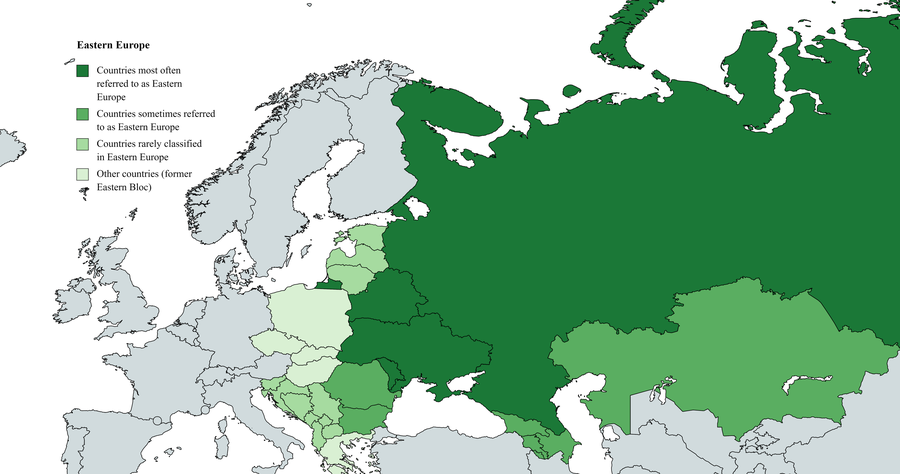
Eastern Europe is not a single, uniform travel destination, but a large region with very different countries, landscapes, and travel experiences. For families, planning therefore makes sense not by starting with just any accommodation, but with the question: Should the holiday mainly showcase historic cities, culture and cuisine, or should water, nature and active days be the focus?
Anyone who defines this direction first can then select the right country and, after that, the right accommodation location more specifically. The examples on this page are intended as guidance and do not represent the full diversity of Eastern Europe.

Quick facts about Eastern Europe
Eastern Europe encompasses very different travel profiles and should not be regarded as a single destination. Depending on the country, the travel imagery ranges from coasts and lakes to mountain landscapes and historic old towns. Cities combine culture, museums, historic streetscapes and cuisine. The right travel time depends more on the desired experience than on a uniform regional calendar.
Which travel idea suits your family?
The region can be especially clearly explored through four travel images. A city and culture trip leads to historic streetscapes, museums and cuisine. A holiday on the coast or by a lake puts water and landscape at the center. Mountain and nature regions tend to appeal more to families looking for active days and varied nature experiences. Between these lie many combinations: a country can combine culture in the city with nature or landscape days, without this fully describing every individual country.
For the initial selection, a simple family compass therefore helps: What should regularly happen on holiday? Shared discoveries in an old town, days by the water, nature experiences, or a mix of culture and movement? From that answer, the country search can be narrowed down much better than by the umbrella term Eastern Europe alone. If you first want a culturally shaped city trip, you can also include Poland as well as other countries with historic cityscapes in your shortlist.
Historic cities for culture and shared discoveries
Historic cities and old towns are among the defining motifs associated with Eastern Europe. Culture, museums and cuisine offer different reasons for a holiday: families can explore cityscapes, collect cultural impressions and end the day with a meal in the city. Anyone focusing on this should consider a city base. Ukraine can also come into a family preselection like this as a destination if the urban and cultural travel character is more important than a purely nature-based base.
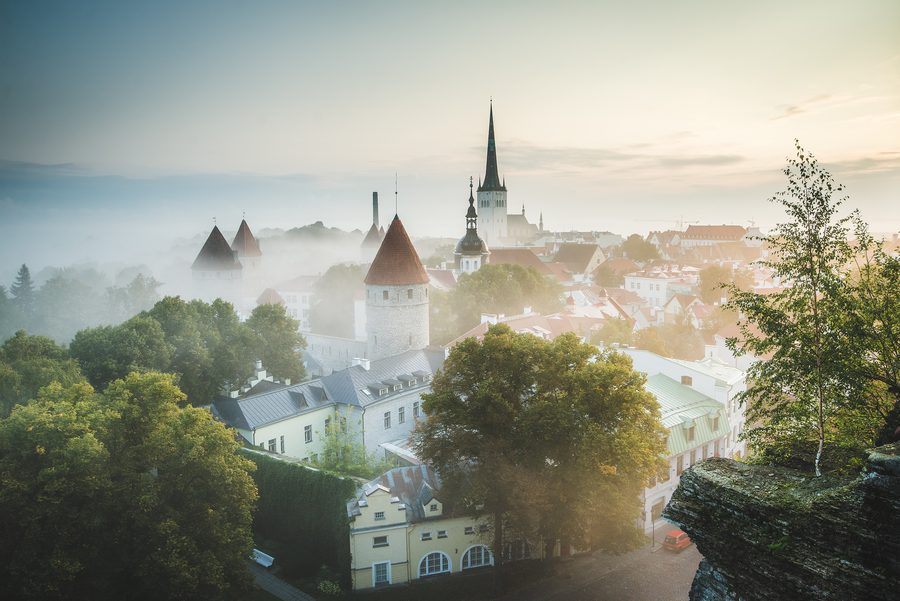
The image of Tallinn’s medieval old town makes this travel approach tangible: a city can itself become the guiding thread of the family holiday. Depending on the country and place, a city base is more structured than a rural base. This can suit planning when museums, the old town and cuisine form the focus. However, the city character does not provide reliable statements about routes or the proximity of all sights. For a particularly broad city search, Russia can also initially be examined from the perspective of culture and city stays before the exact accommodation location is determined.
Coast, lakes and mountains: the landscape as the basis for the decision
If water, nature and landscape are meant to define the holiday, it is worth linking accommodation to the desired landscape profile. For water experiences, a coastal or lakeside base is an option; those planning more active nature days can consider a mountain or other landscape base. What matters is not a blanket judgment about a particular location, but the match between the travel itinerary and the place of accommodation.
For a holiday in which water and relaxed days by the lake set the rhythm, Hungary can be included in the country-based preselection. This does not replace checking the specific place, but it helps to keep the desired lake or landscape base in mind from the outset.
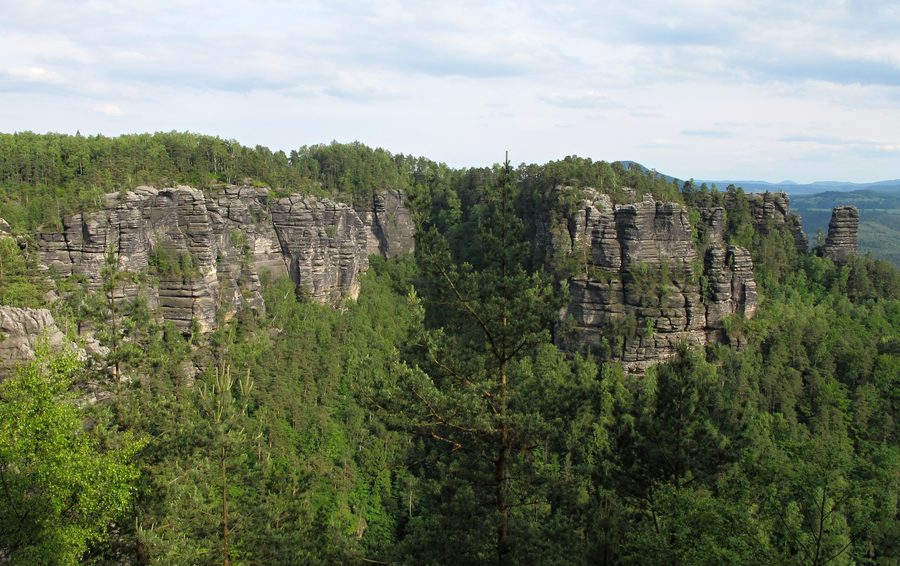
Sandstone formations like those in Bohemian Switzerland are a representative example of a nature-focused travel image with landscape and hiking scenery. For families seeking such days, a more rural base can mean greater flexibility for an exploration holiday. For that, the desired mobility should be considered in the planning. Anyone wanting as much structure as possible through city amenities will make a different decision with a city base. For active days in an environment more strongly shaped by landscape and mountains, the selection of Slovakia can therefore be aligned with this travel profile.
Think about accommodation location, mobility and holiday rhythm together
The choice of accommodation in Eastern Europe is closely linked to the desired holiday rhythm. A city base suits a focus on culture and comfort more closely when museums, the old town and cuisine are central. A more rural or nature-oriented base is more suitable for a nature and exploration holiday, provided you accept greater flexibility. For water or mountain days, the accommodation should in turn match the planned landscape profile.
Depending on the desired mix, Kosovo can also be included in a search if a family does not want to plan culture and nature separately. What remains decisive is whether the specific accommodation fits your own holiday rhythm as a city base, a rural starting point, or part of a more mobile round trip.
This also makes the mobility question more concrete, without being able to name any blanket routes or transfer times: depending on the travel idea, a more structured city location or a more landscape-oriented base may make sense. Therefore, in your further search, first check which experiences should regularly be part of the holiday. Only then can you assess which location and which type of holiday apartment or holiday home fits. For a quieter, nature-oriented starting point, Belarus can also be considered as a country-based option, provided the desired form of travel matches the specific location.
Adapt the travel time to the desired trip style
A single best time to travel for all of Eastern Europe cannot be meaningfully defined. The right season depends on the experience. A holiday by a lake may suggest different months than a city or culture trip; even for mountain and nature plans, the travel time should match the intended trip style.
For your choice, this means: first decide whether water, landscape, city or culture should shape the holiday, and then consider the season from that perspective. This way, you avoid choosing an accommodation location independently of the actual travel programme.
How to narrow down your search sensibly
- First choose the country or countries whose travel profile suits your family.
- Then decide between city, coast, lake, mountains or a more rural landscape base.
- Match the desired season to the planned experience.
- Consider whether you want a more structured city base or more flexibility in a nature-oriented location.
- Only then search for a suitable holiday apartment or holiday home.
In this way, Eastern Europe does not become an unclear umbrella term, but a series of understandable decisions. Start with the desired family experience and choose the accommodation location so that it supports this holiday rhythm.
Frequently asked questions about Eastern Europe
Why should you choose the country first in Eastern Europe?
Because the region is very diverse. Countries, landscapes and possible accommodation bases can differ significantly from one another, so choosing the country helps narrow down the rest of the travel plan in a sensible way.
Which types of travel are particularly typical in Eastern Europe?
The examples mentioned show city, coastal, lake, mountain and culture trips. Which combination fits depends on whether your family is mainly looking for culture, water, nature or varied days.
More city, coast, mountains or lake?
That depends on the desired family programme. City locations are more suitable for historic streetscapes, museums and cuisine, while coastal, lake and mountain locations can support different water or nature profiles.
When is a destination in Eastern Europe best suited?
The travel time should match the experience. A lake holiday may require different timing than a city or culture trip; there is no general rule for the entire region.


.jpg)

.jpg)
.png)
.jpg)