
Find accommodations in East Asia
East Asia offers families several clearly different travel pictures: historic places and markets, modern urban culture, culinary impressions, important cultural heritage sites, as well as examples of nature and islands. Before looking for accommodation, it is therefore worth asking: Should the stay primarily combine culture and city, make multiple stops possible, or include a nature component?
Quick facts about East Asia
Character: Historic places, markets and modern urban culture make the diversity of East Asia easy to see.
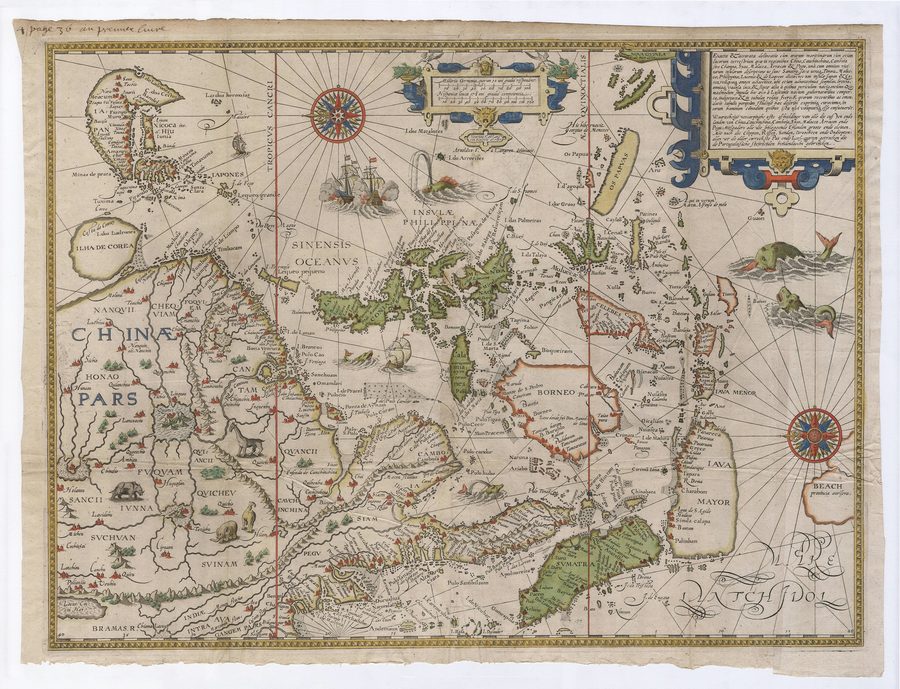
Orientation: China and Japan offer different cultural starting points for travel planning. For a strongly urban focus, Hong Kong and Macau can also be included in the first consideration. Those who also want to compare island or peninsula ideas will find further geographical reference points with Taiwan and South Korea.
Travel profiles: Cultural and city experiences, a trip with multiple stops, or a nature- and island-oriented focus are all possible.
Accommodation base: Depending on the travel idea, a city base, a rail-connected center in China, or a landscape-oriented base may be suitable.
Japan: temples, gardens, city and food
The examples from Japan combine temples and gardens with modern city atmosphere and culinary experiences. This appeals to families who want to bring together different cultural, urban and culinary impressions in one travel picture.
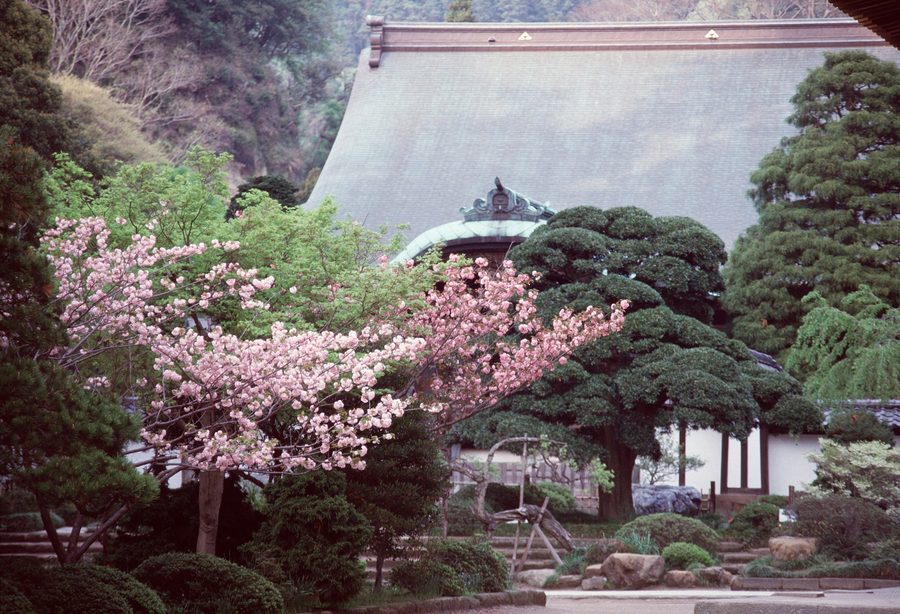
If cultural heritage, the modern city and food are to shape the stay, a city base fits this travel picture as a first idea. A specific city or short distances cannot be derived from this; the decisive factor remains the desired urban focus. For a particularly dense city and culture plan, Hong Kong or Macau can also serve as independent points of comparison.
China: cultural heritage sites and multiple stops
China is associated with important cultural heritage sites and good rail connections, which can generally support a trip with multiple stops. This is especially relevant if you want to combine several sights and not just plan a single destination.
For this travel picture, a rail-connected center in China can be considered as an accommodation base. Rail then becomes part of the planning. Which connection and which place fit depends on the specific destination and itinerary.
Japan or China: comparing two travel ideas
The documented examples emphasize different aspects: Japan stands for temples, gardens, modern city atmosphere and culinary experiences; China for important cultural heritage sites and a multi-stop trip generally supported by rail connections.
Those who want to combine cultural and culinary impressions in an urban travel plan can consider Japan. Those who want to see several sights in a sequence of stops can consider China. This comparison serves as an initial classification, not a ranking. North Korea should not simply be assigned to one of these two travel pictures, but regarded as its own cultural and geographical frame of reference.
Taiwan and South Korea: nature and island ideas
East Asia can also be explored through landscape and island geography. Taiwan is represented, among other things, by Taroko National Park as a nature-oriented example. South Korea is described as a peninsula with islands and thus offers another geographical point of reference.

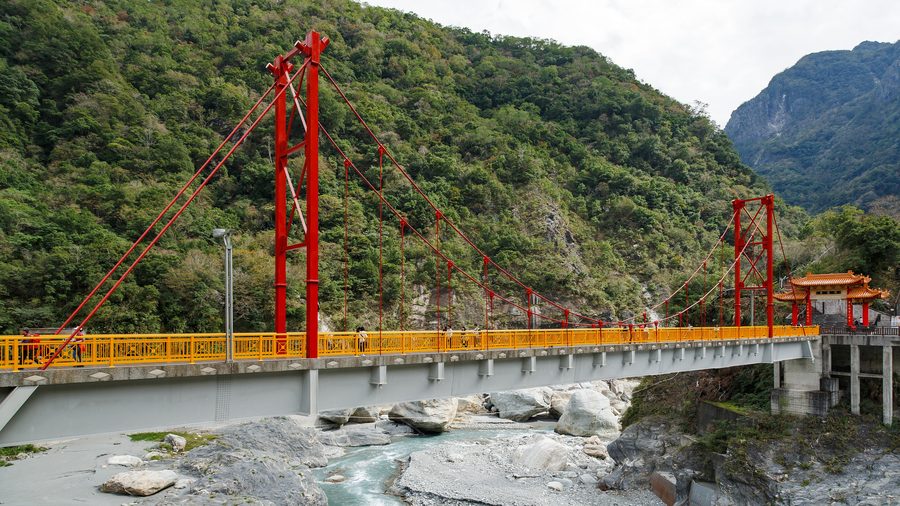
If landscape should matter more than an exclusively urban program, these examples can inspire a nature or island component. A landscape-oriented base may be suitable when a specific natural place or island geography shapes the stay. Those who want a continental landscape profile instead of an island or coastal idea can also classify Mongolia as a different regional focus. The individual examples do not imply any general statement about Taiwan or South Korea.
Choose the accommodation base according to the experience
The accommodation should match the planned focus, not the other way around. A city base is a possible choice when historic and modern sights as well as culinary impressions shape the daily schedule. This can also play a role in an urban travel picture with Hong Kong or Macau.
For several Chinese stops, a rail-connected center can be sensible because good train connections can generally support this type of itinerary. Timetables, distances and travel times depend on the specific destination.
A nature or island base may be considered when a specific natural place or island geography is more important than an exclusively urban program. Taiwan's Taroko National Park and South Korea's island geography are different reference points for this. Whether accommodation is practical for your family depends on the specific destination and the desired scope of the trip.
First define the right focus
Start with the experience that especially interests all family members: culture and city, important cultural heritage sites, multiple stops, landscape, or an island idea. Then you can check whether Japan, China, Taiwan or South Korea offers the desired frame of reference. For a more continental landscape idea, Mongolia represents a different focus from the island and peninsula examples mentioned.
Only in the next step does the accommodation base come into play. This keeps the selection understandable: city base for the culture, city and food focus, a rail-connected center in China for a possible multi-stop trip, or a nature- and island-oriented base for the respective landscape component.
Frequently asked questions about East Asia
What makes East Asia an exciting family destination?
East Asia combines historic and modern places, important cultural heritage sites, food, as well as urban, rail-oriented and nature-based travel forms. Families can first choose the focus that matches their shared interests.
How do Japan and China roughly differ for a family trip?
In the examples, Japan stands for temples, gardens, modern city and culinary experiences; China for important cultural heritage sites and rail-supported multi-stop trips. Both approaches help with the initial classification.
Where in East Asia will you find more nature than a big-city feeling?
Nature-oriented examples include Taiwan's Taroko National Park and South Korea's island geography. They can help in deciding on a landscape or island component.
Why can a city base make sense in East Asia?
The examples show cities as places where historic and modern sights as well as culinary impressions come together. A city base can therefore suit an urban focus on culture and food.
What role does rail play in China?
China is associated with good rail connections that can generally support a multi-stop trip. Which route fits your travel plan depends on the specific destination and itinerary.

![Drawn by Hendrik Florisz. van Langren (Henricus F[lorentius] ab Langren), engraved by Arnold Florensz. van Langren (Arnoldus F[lorentius] a Langren). Popularly credited to Jan Huygen van Linschoten, who wrote the book.](https://commons.wikimedia.org/wiki/File:Exacta_et_Accurata_Delineatio_1595.jpg)


