
Find accommodations in Central Asia
Central Asia is not a single travel destination, but a contrasting selection of vast steppes, striking mountain landscapes, historic Silk Road cities and cultural traditions. For families, planning becomes easier if you first determine the desired travel profile: Should the trip mainly showcase cities and architecture, focus on mountains and lakes, or be designed as a contrasting route through large landscape regions?
Quick facts about Central Asia
Country selection: This overview brings together Kazakhstan, Kyrgyzstan, Tajikistan and Uzbekistan as the first destinations. Landscape: Vast steppes and striking mountains form an important regional contrast. Culture: Historic Silk Road cities, Islamic-influenced architecture, craftsmanship and regional cuisine complement the landscape experiences. Type of trip: Central Asia can be considered both as a country selection and as a road trip and overlanding destination.
Which country suits your travel idea?
The four countries are different starting points and not interchangeable stops. If historic cities and Islamic-influenced architecture are to be the focus, Uzbekistan is the most obvious first candidate. For mountain landscapes and a stay with a lake focus, Kyrgyzstan stands out particularly clearly. Kazakhstan combines the expanse of the steppe with the special space-travel connection of Baikonur. Tajikistan is also part of this initial selection, but here it is classified without an additional special profile.
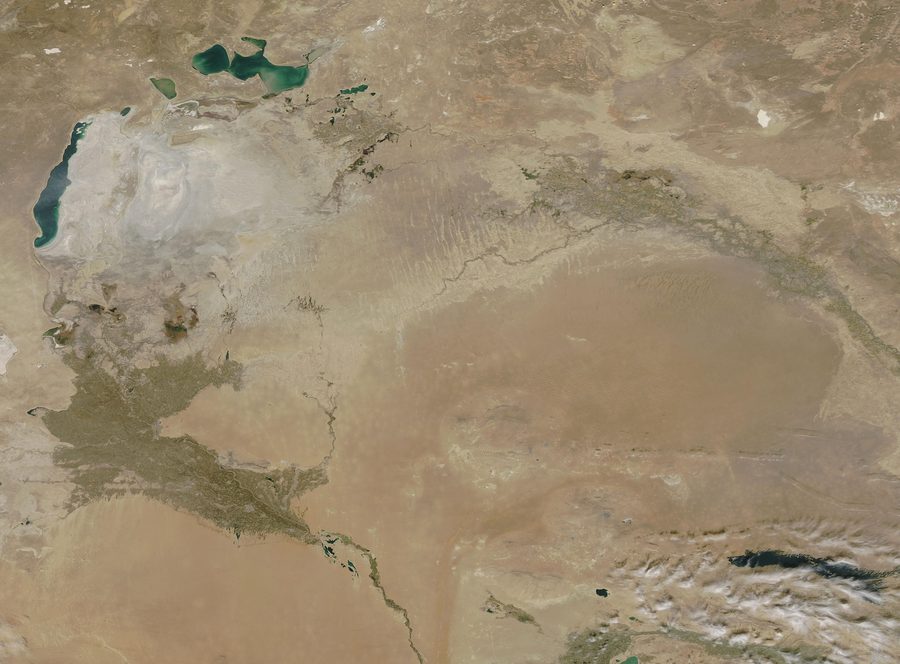
For the initial planning, one simple question helps: Are you looking more for historic cities and architecture, mountain and lake landscapes, or the expanse of a contrasting steppe journey? This makes the choice of country more concrete without establishing a general ranking.
Culture, landscape and shared experiences
The regional diversity ranges from open steppes to striking mountains. Historic cities along the Silk Roads, Islamic-influenced architecture as well as cultural traditions, craftsmanship and regional cuisine provide a cultural counterpoint to this. The history of the region was also shaped, among other things, by nomadic traditions and Islamic influences.
A cultural program suits families who want to explore history, architecture and cities together. A nature-oriented stay, on the other hand, brings mountains, lakes and the alternation between more active and quieter days into focus. The right choice depends on the desired travel profile – not on a solution that is best for all families.
Travel time, pace and route planning
Travel time should be considered together with the landscape, cultural interests and the personal travel rhythm. Mountain and lake landscapes, open steppes and historic cities stand for different travel experiences and do not require the same day-to-day structure. Before searching for accommodation, therefore, consider whether you would rather plan varied landscape days, longer cultural stays or a mix of both.
Central Asia is also described as a road trip and overlanding destination. On a route-oriented trip, large landscape areas and demanding roads can require careful coordination of route, travel pace and accommodation. A fixed base, by contrast, is more straightforward if you want to experience a cultural or landscape focus more intensively and change your daily rhythm less often. For a route especially focused on mountain landscapes, Tajikistan can also be considered as part of the country selection.
Fixed base or route-oriented trip?
For families, an early basic decision is therefore helpful: Do you want to stay longer at one accommodation base or plan a trip with changing route focuses? In the route-oriented variant, accommodation planning should take the route and the respective stage focus into account. On a more location-based trip, the base should match the main experience.
For a city and culture focus in Uzbekistan, a city-oriented accommodation base generally suits better than a purely nature-based one. For landscape-oriented days in Kyrgyzstan, a location near the mountains or lake is generally more fitting than an exclusively urban setting. In Kazakhstan, it is advisable to align accommodation planning with the most important stop or route focus rather than starting from a single compact sightseeing center.
Aligning the accommodation base with the travel experience
The country selection should come before the finer choice of place and accommodation. First check which experience will shape your trip, how often you want to change location and which travel rhythm suits your family. Only then can you sensibly assess whether a city-based, nature-oriented or route-based base fits your plans.
For a cultural trip, this consideration leads in a different direction than for a landscape trip: in Uzbekistan, the focus is on cities and architecture, in Kyrgyzstan on the connection to mountains and Issyk-Kul, while Kazakhstan highlights the contrast between steppe and Baikonur. Tajikistan remains openly included as another destination in the country selection.
Your selection for further planning
Start with the experience that matters most to your family: cities and architecture point to Uzbekistan, mountains and Issyk-Kul to Kyrgyzstan, steppe and Baikonur to Kazakhstan. If none of these directions alone is decisive, you can use nature, culture and travel pace as shared criteria. After that, you can decide whether a fixed accommodation base or route-oriented planning is better suited to your plans.
Frequently asked questions about Central Asia
Which Central Asian country is the best first choice for a family trip?
There is no single best choice. Uzbekistan is more suited to cities and architecture, Kyrgyzstan to mountains and lakes, Kazakhstan to steppe and special contrasts. Choose according to your family’s experience profile; Tajikistan remains openly classified without an additional special profile.
Can culture and nature be combined in Central Asia?
Yes. Central Asia combines mountain and steppe landscapes with historic cities, cultural traditions, craftsmanship and regional cuisine. How these elements are combined depends on the selected country and your desired travel pace.
Which country is particularly suitable for Silk Road cities?
Uzbekistan is the clearest starting point for this, because historic cities and Islamic architecture are particularly clearly highlighted there as reasons to travel.
Which country stands out especially for mountain and lake landscapes?
Kyrgyzstan stands out most clearly because mountain landscapes and Issyk-Kul shape the travel profile there.
Is a fixed accommodation base or a round trip more suitable for Central Asia?
Both can be considered different forms of travel planning. On a route-oriented trip, the route and the respective stage focus should help determine the choice of accommodation; no general recommendation can be derived from this for all families.

.jpg)
,_Merlion_--_2019_--_4692.jpg)
,_Merlion_--_2019_--_4496.jpg)