
Find accommodations in Central America
Central America does not invite families to follow a single standard route: The region combines different mixes of culture, nature, discovery, and travel pace. Maya heritage, colonial towns, and markets stand alongside volcanoes, rainforest, coasts, and other nature experiences. The most important first step is therefore to determine the character of the trip - and only then look for the right base.
Quick facts about Central America
Region: Central America can be understood as a selection of different countries and travel styles.
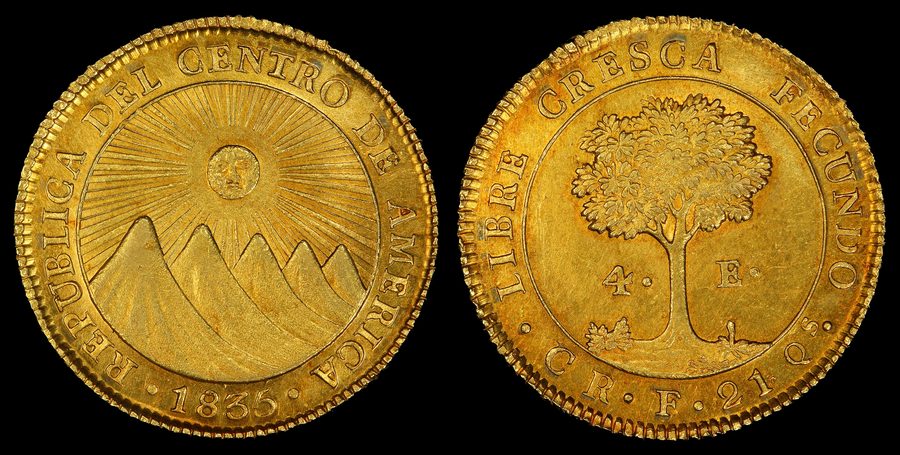
Trip anchors: Maya heritage, colonial towns, markets, volcanoes, rainforest, coasts, and nature experiences give the trip a concrete shape. For a coast- or island-oriented plan, Belize can serve as a separate comparison point alongside other country profiles.
Travel pace: Overland legs can take longer than expected. Fewer base changes can then help create a more manageable family rhythm.
Culture, nature, or a mix?
Anyone looking for cultural impressions can orient the choice around Maya heritage, colonial towns, and markets. These themes make the country choice more than a search for a name: They show whether the focus should be on history, places, and regional everyday life. In this context, Guatemala can be understood as a possible reference point for a culture-oriented consideration, without already fixing a specific route.
For nature-oriented days, rainforest, coast, wildlife, volcanic landscapes, and other nature themes offer possible selection criteria. Consider which shared experiences appeal most to your family. No single nature theme should be understood as available everywhere; it makes sense to choose according to the desired focus. Anyone who wants to combine nature and different landscapes can also include Costa Rica in the comparison of travel ideas.
If culture and nature are equally important, the mix should shape the travel itinerary rather than trying to include as many themes as possible on equal footing. This makes it clearer which countries and which later accommodation base suit your own plan.
Choose country and route according to the character of the trip
The countries of Central America set different priorities in culture, nature, and discovery. For your planning, the main focus comes first. So first sort your interests: Is your family mainly looking for cultural themes, nature experiences, or a combination of both?
A culture-oriented choice can be based on Maya heritage, colonial towns, and markets. A nature-focused route can include coast, rainforest, wildlife, or volcanic landscapes. Anyone wanting to combine both should decide which focus leads the itinerary. For a comparison with a stronger coastal and volcanic emphasis, El Salvador can be included in this consideration. This sequence helps separate the search for accommodation from the actual travel idea.
Align the accommodation base with the main experience
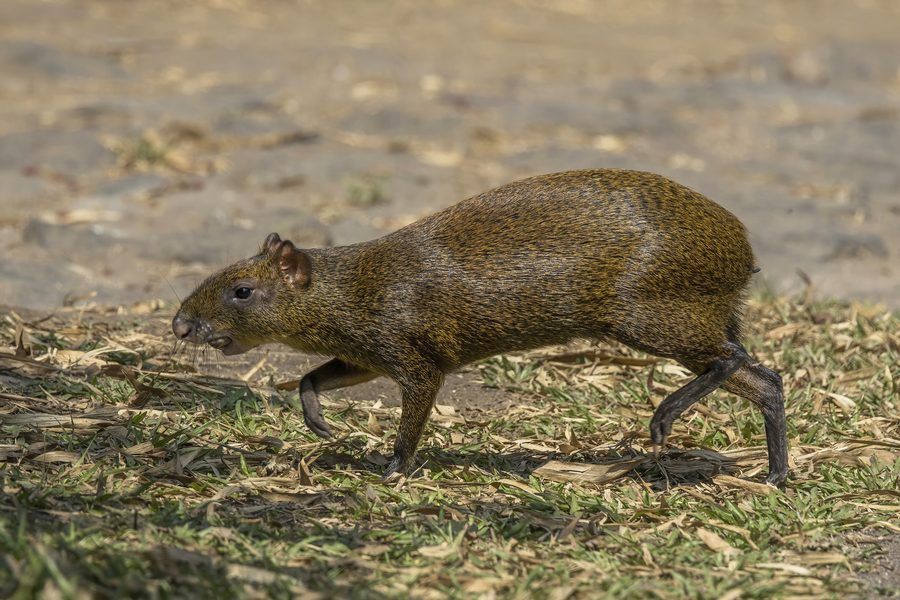
In Central America, the base should match the most important theme of the stay. Coast, highlands, rainforest proximity, and colonial cities stand for different travel ideas. Therefore, orient the accommodation search toward the experience that defines the stay, not just the name of a country. For a trip where being by the water shapes the decision about the base, Panama can be included in the planning as a separate country profile.
However, a location alone does not justify a general recommendation and does not promise any special convenience. What matters is whether the base fits your planned route and the desired rhythm. Travelers wanting to experience cultural places can begin their selection differently from a family whose trip is shaped mainly by nature themes. Honduras can also be considered as a comparison for the combination of culture and coastal themes, provided this suits your own itinerary.
Fewer changes for a calmer trip
Overland trips can take longer than expected. If the itinerary is meant to stay manageable, planning with fewer base changes is more plausible than many short stays. More time per leg can give families a calmer rhythm, without this becoming a general rule for every route.
Therefore, treat Central America as a regional selection with different priorities, not as a destination with a single accommodation logic. First decide between culture, nature, and a mix, then choose a suitable location, and limit the number of changes if a more relaxed itinerary matters more than a long list of stops. For a broad plan, Mexico may appear as the northern part of the regional comparison, while Nicaragua represents another option for weighing travel character and stage rhythm.
Frequently asked questions about Central America
What makes Central America interesting for families?
The region combines cultural themes, nature experiences, and different styles of discovery. For the selection, what matters is which mix of culture, nature, and travel pace suits your family.
Which experiences shape Central America most strongly?
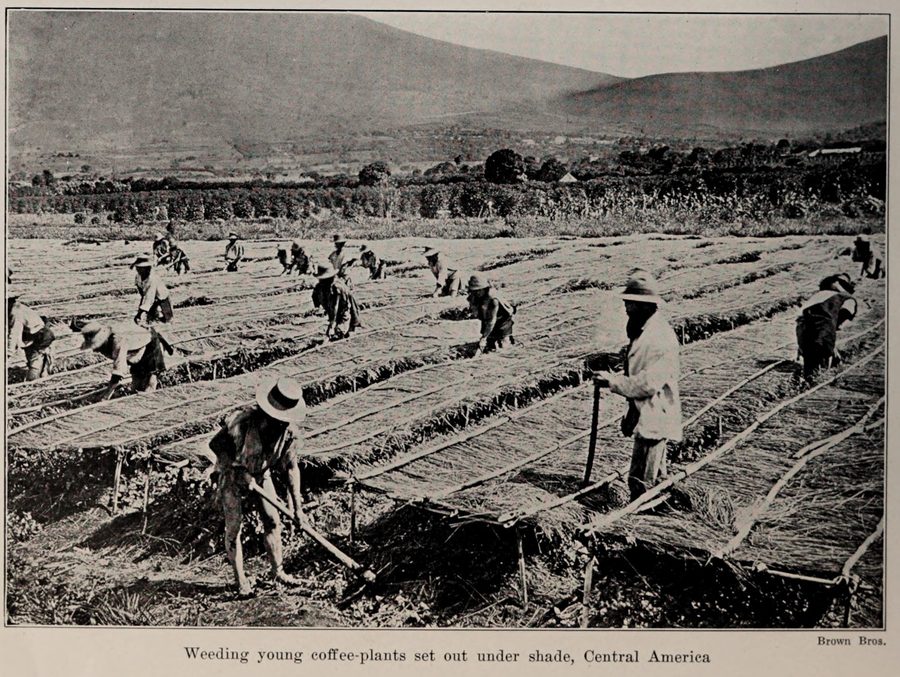
Maya heritage, colonial towns, markets, volcanoes, rainforest, coasts, and other nature experiences are the most important thematic anchors. They help narrow down the desired travel focus.
How does the size of the region affect planning?
Overland trips can take longer than expected. Therefore, a slower plan with fewer bases may make sense instead of many quick changes of place.
Should the trip offer more culture, nature, or both?
All three approaches are possible. Follow your family's interests and then align the choice of countries, route, and accommodation base accordingly.


_Los_Tarrales.jpg)
