
Accommodation in Botswana
Accommodation in Botswana
Botswana is above all a landscape and wildlife destination: anyone choosing accommodation here is often also deciding on route, driving time, and the pace of the trip. Between delta and wetlands, dry Kalahari areas, and the entry points in the southeast, it is therefore worth reading the country first as a place of contrasts and only then looking for the right base.
Quick facts about Botswana
- Botswana is above all a landscape and wildlife destination, not a classic city break.
- Important contrasts are delta and wetlands, dry Kalahari areas, and salt pan landscapes.
- For orientation, the major landscape regions matter more than the city as the main destination.
- Guided safaris, fly-in connections, and self-drives are all relevant ways to travel.
- On remote routes, it is worth thinking about accommodation early, because the journey noticeably shapes the day.
Regions for the start and the first stages
If you are planning Botswana as a family trip or a round trip, the most practical decisions begin in the southeastern and central belt. There, the first questions are a calm start, a clean connection between stages, and how far you want to move away from the arrival point.
- South-East is the clearest entry route; Gaborone remains more of a practical reference point here than the actual purpose of the trip.
- Central District is best understood as the connecting band of the route, not as a single main attraction.
- North-East District belongs to the northern connection corridor; the exact boundaries are intentionally kept broad.
- Kgatleng District works as a southeastern addition if you are planning a start with a city reference point within reach.
- Kweneng District helps when you are looking for a coherent base in the central-southern area.
Water, wilderness, and dry openness
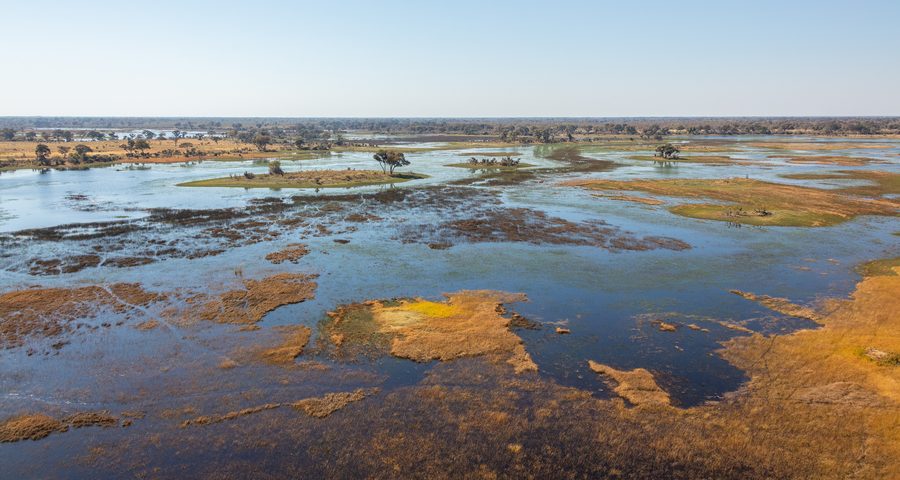
In the north and west, Botswana becomes especially clear as a land of wide open spaces. Here, the same journey can feel very different: once close to water and wilderness, once dry and open, once as a clearly defined safari or landscape area.
- North-West leads into the water- and wilderness-oriented side of the country and remains intentionally broad in scope.
- North-West District is the clearly named northwest listing; for the travel decision, the broad area matters most, not a fine distinction.
- Kweneng West is mainly a western orientation point here.
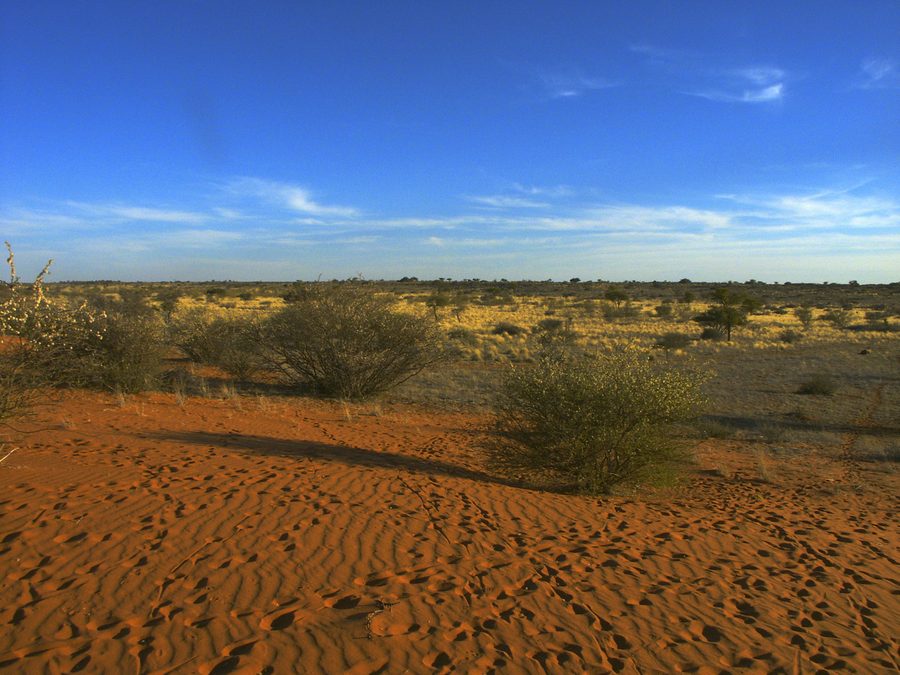
- Ghanzi District belongs to the dry, open side of the country and is more suitable for landscape-focused stays than for a short urban stop.
- Kgalagadi District stands for the Botswana side with a desert character, where calm, space, and slower days fit together especially well.
If you choose Botswana for wildlife and landscape experiences, this northwestern and western side is the part of the country that shapes the trip most clearly.
Southern additions and longer stages
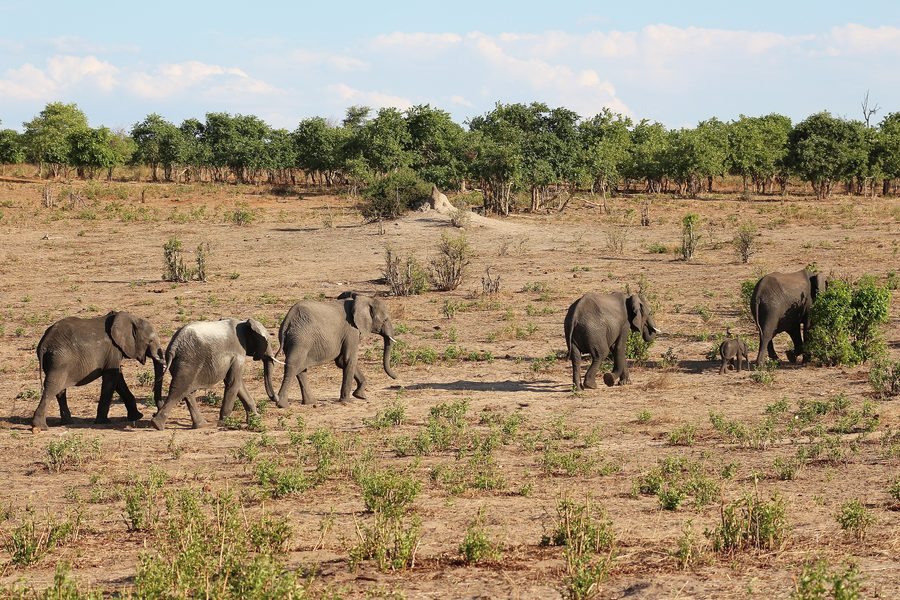
The south is less a single highlight than a useful building block for your route if you want to experience Botswana at a calmer pace.
- Southern is a region for calmer day sequences and more flexible stage planning.
What the accommodation base means for your trip
The location of your accommodation in Botswana is not just a question of where you sleep. In regions with long distances, it determines how the days begin, how much driving you have before the first experience, and whether a location is more of an arrival point, a stopover, or a base for days in nature.
For families, the southeast is especially practical if you want to keep arrival and initial orientation calm. As soon as delta, desert, and park regions come together in one route, it is worth thinking in terms of several stages rather than a single base.
Guided safaris, fly-in connections, and self-drives are different ways through the same country; they only change how much distance you want to carry yourself. On remote routes, it is worth thinking about accommodation early, because Botswana is large and spontaneous options can be more limited there.
Frequently asked questions about Botswana
Which regions shape a Botswana trip most strongly?
Botswana is defined by the contrasts between delta and wetlands on the one hand and the dry Kalahari and salt pan landscapes on the other. These contrasts help you choose the route and the right base.
Which types of travel work well for Botswana?
Guided safaris, fly-in connections, and self-drives are all relevant options. Which one fits best depends mainly on how much driving you want to plan for the family.
Why does the location of accommodation in Botswana influence the daily rhythm so strongly?
Because distances are large and a base in remote regions noticeably changes the flow of the day. Accommodation is therefore part of route planning and not just a place to stay overnight.
Which part of Botswana is suitable for the start?
The southeast is often the most practical entry area because it works well for arrival days and initial orientation. There, the start of the trip is usually characterized by a calmer beginning.


