
Accommodation in Bolivia
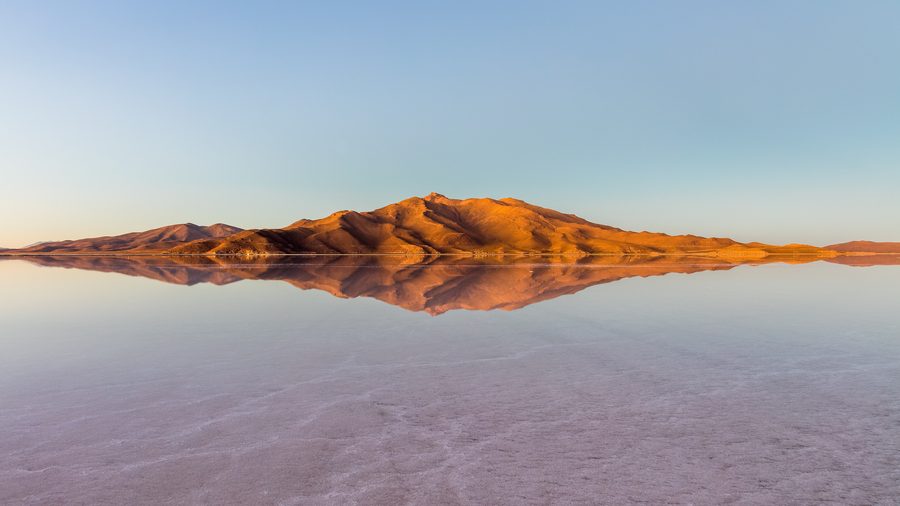 The Salar de Uyuni, Bolivia’s iconic high-altitude salt flat.
Photo: Diego Delso via Wikimedia Commons, CC BY-SA 4.0
The Salar de Uyuni, Bolivia’s iconic high-altitude salt flat.
Photo: Diego Delso via Wikimedia Commons, CC BY-SA 4.0
Bolivia is not a country for a random accommodation search, but for a good base decision: between highlands, lowlands, and distinctive cities, the travel experience changes significantly. Anyone traveling with family especially benefits from choosing one clear region instead of making many location changes.
This page helps you place Bolivia as a travel destination in context: which parts of the country stand for highland scenery, where the quieter historic city side lies, and which regions are better suited to lower, greener bases. In this way, choosing accommodation becomes a travel decision rather than just a list.
Quick facts about Bolivia
- West: a pronounced highland profile with the Altiplano.
- East: lowlands with a different landscape character.
- Key city anchors: La Paz as a high-altitude base, Sucre as a quieter historic place.
- Planning depends on altitude, distances, and how many changes you want to make with children.
If you choose Bolivia for its vast landscapes, highlands, lakes, and salt flats shape the picture especially strongly. The Salar de Uyuni stands for the country’s spectacular highland moment; together with the Altiplano and the Titicaca area, it helps you make the first decision between a highland route and a lowland base.
Highlands, cities, and classic bases
For the country’s highland side, La Paz, Oruro, and Potosí are the most obvious anchors. La Paz is the dynamic city base with cultural and excursion value, Oruro clearly belongs to the highland and Altiplano interpretation, and Potosí also fits a route with a strong highland profile. For families, this is the right area if you want to combine striking landscapes and city experiences without constantly changing parts of the country.
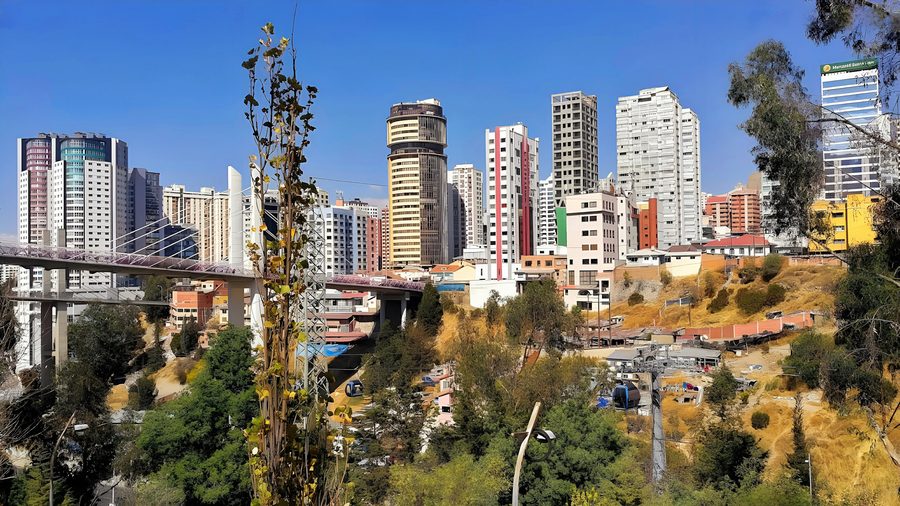
The La Paz base is especially useful when you want to combine a city stay with day trips. If you are looking for a quieter, more historically shaped atmosphere, you will often look further to Sucre in Bolivia.
Quieter cultural places and mixed inland routes
In the central and southern logic of the country, you will find Chuquisaca, Cochabamba, and Tarija. Chuquisaca leads via Sucre to the quieter, colonial side of the country; Cochabamba can be treated as a neutral building block in a mix of inland and highland travel; Tarija works as a rather quieter element within the south and inland route. This classification helps when you are looking for a family base with more balance and fewer moves.
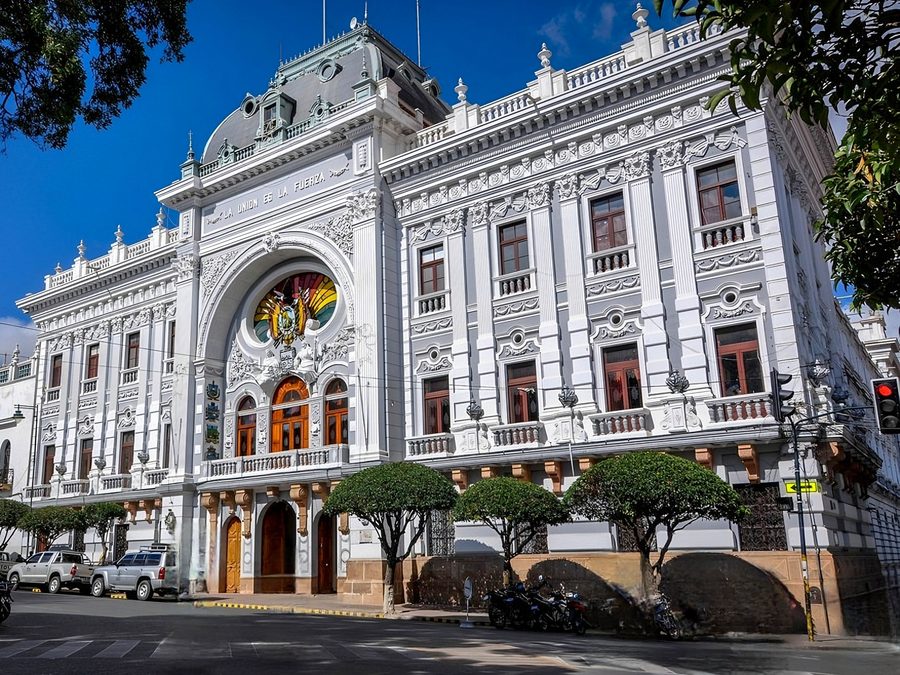
Sucre is the clearest cultural counterpart to the larger highland metropolis. The city feels historic and calmer, making it a good choice if you want a more pleasant city base rather than a hectic stop on a round trip.
Lowlands and greener alternatives
Anyone looking for a lower, greener, and less high-alpine side of Bolivia will be more likely to focus on Beni, Pando, and Santa Cruz. These places represent the country’s eastern lowland region and are the right counterpart to the highlands when the focus is not the iconic mountain scenery but a completely different travel feeling.
For families, this decision can matter more than a single sight: the clearer you separate highlands and lowlands, the easier it is to plan the trip around daily rhythm and location changes.
Border comparison around the Titicaca area
If you think of the Titicaca area as a travel axis, Puno on the Peruvian side helps as a point of comparison. For this Bolivia page, however, what remains decisive is how you balance the highland and city bases on the Bolivian side.
Frequently asked questions about Bolivia
Is Bolivia more of a highland or lowland destination?
Both are possible, but the strongest introduction is often the highlands with the Altiplano, La Paz, and the familiar landscape images. The east, by contrast, stands for the lowlands and a completely different travel feeling.
Which city is a good starting point for culture and excursions?
For culture and excursions, La Paz is the distinctive city base; Sucre feels quieter and more historic. Which one is better depends on whether you want more energy or more relaxation.
Which base works better in Bolivia than a round trip?
Bolivia can be thought of as a contrasting journey, but because of the distances, a well-chosen base is often valuable. For families, fewer changes are usually more comfortable.
What are the most important landscape anchors in Bolivia?
The highlands with the Altiplano, the Salar de Uyuni, and the Titicaca area shape the country’s image. In addition, the lowlands in the east form a clear opposite world.


