
Holiday apartment in Ho Chi Minh City
Ho Chi Minh City combines historic buildings, dense Vietnamese everyday life, markets and a modern metropolis in a compact area. Its appeal lies in the contrast: a walk through history, a visit to a market, trying new dishes and, in between, a daily rhythm with room for breaks. Which holiday apartment is right depends above all on whether you want to stay as close as possible to the historic city center or prefer a quieter inner-city base.
Ho Chi Minh City at a glance
- City profile: Ho Chi Minh City is considered Vietnam's economic center and an important starting point for the south.
- Cityscape: Historic buildings and a modern metropolis meet directly.
- Culture and everyday life: Well-known places of interest include the War Remnants Museum, the Notre-Dame Cathedral and Bến Thành Market.
- Culinary: Bánh mì, southern Bánh xèo and cơm tấm offer concrete introductions to the city's cuisine.
- Travel planning: The city is warm all year round; April and May can be particularly hot, and the rainy season is said to run from May to November.
Between history and vibrant city life
Ho Chi Minh City can be explored well through its contrasts. In the cityscape, historic buildings stand alongside a modern, economically driven big city. Along Đồng Khởi Street there are several well-known cultural landmarks, including the Saigon Central Post Office and the Notre-Dame Cathedral. Such a historic route makes the city's history visible without the stay having to consist solely of visiting individual sights.
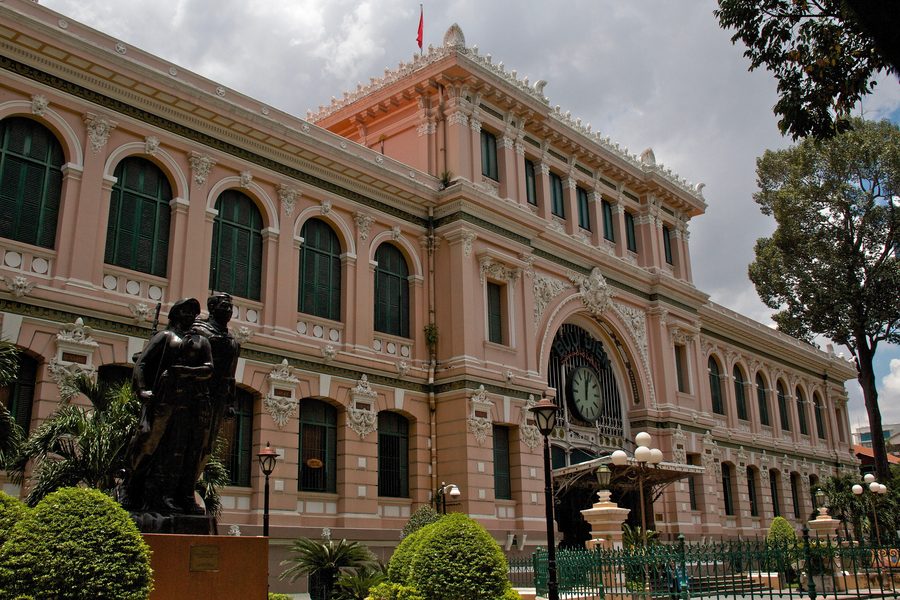
A historical focus can be combined with observations of street life. The War Remnants Museum, the cathedral and the market stand for different sides of the city. This gives each stage its own character: architecture, history, market life and the rhythm of a densely populated metropolis. No specific age or family suitability can be inferred from this; it is more useful to plan the day thematically in varied fashion and with enough flexibility.
Markets, street food and Vietnamese dishes
Bến Thành Market brings local everyday culture directly into the travel plan. Fresh vegetables and other goods at the stalls show a different side of the city than the historic buildings. The market can therefore be a standalone program item or a shorter stop between cultural impressions.
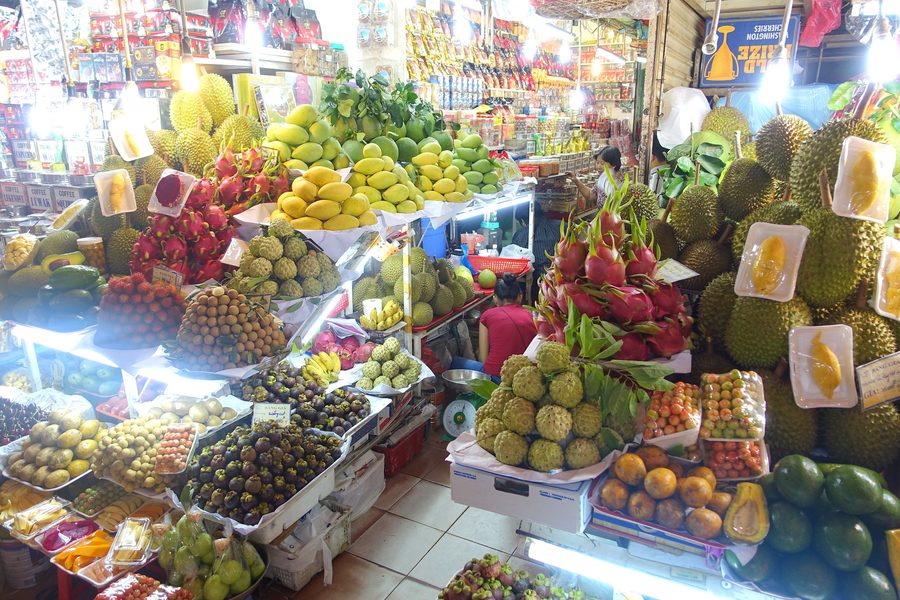
Culinarily, too, Ho Chi Minh City offers more than just an addition to the sightseeing program. Bánh mì, southern Bánh xèo and cơm tấm are typical starting points for getting to know the city's cuisine. The dishes mentioned and the market set different culinary accents and can be classified as shared program elements alongside architecture and museums.
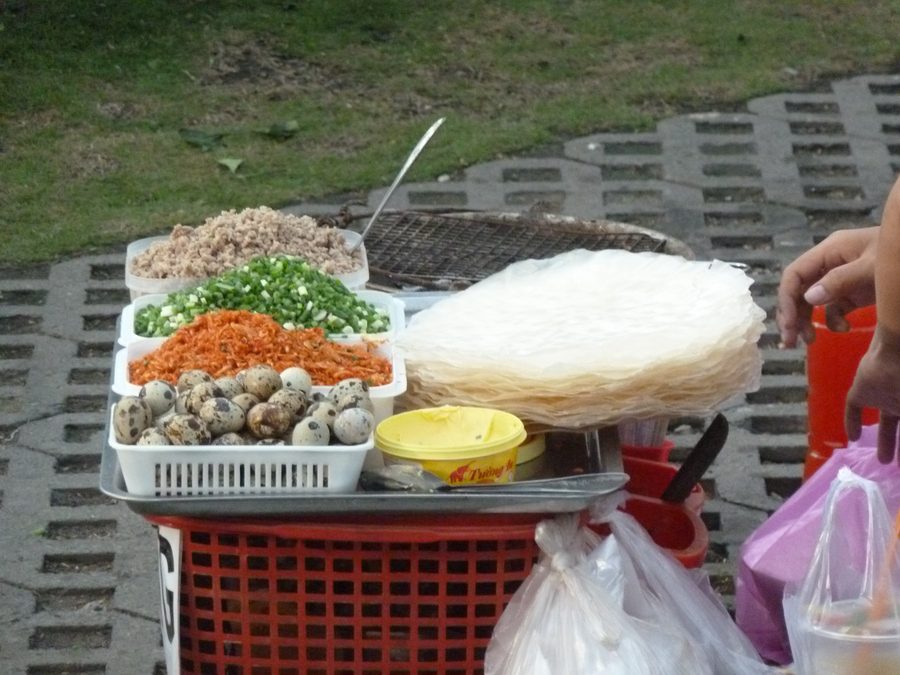
The Jade Emperor Pagoda is also one of the city's cultural stops. Together with the market and street food, this creates a travel picture that is not based solely on monuments: Ho Chi Minh City can be experienced through dishes, religious places, buildings and the rhythm of the streets.
The right base: historic core or District 3?
The location of the holiday apartment is a real planning decision in Ho Chi Minh City. The area around Bến Thành Market and Notre-Dame Cathedral is classified as the historic and tourist-oriented city center. A central base is therefore particularly worth considering if well-known sights, historic routes and dense city life are to be the focus.
District 3, by contrast, is described as a quieter inner-city alternative. The area is characterized by shady streets, older villas and calmer residential neighborhoods; at the same time, it remains close to the city center. Anyone who does not want to live continuously in the densest urban environment between market, culture and food can include this quieter base in their selection. This is not a ranking of districts, but a comparison of two documented types of stay with a different day-to-day feel.
For choosing accommodation, this means: first decide what your days should look like. The historic core and District 3 represent different emphases between dense sightseeing and a quieter daily rhythm. No specific walking or travel times can be derived from this. Therefore, check the individual offer to see whether the actual location fits the planned activities and your desired room for movement.
Weather, breaks and a flexible daily plan
Ho Chi Minh City is described as warm all year round with comparatively constant temperatures. April and May can be particularly hot, while the rainy season is said to run from May to November. December and January are considered a somewhat cooler period within the warm annual cycle. These details are seasonal patterns and not a weather guarantee for individual days of travel.
For daily planning, this means: do not schedule all days as a dense outdoor program, but combine historic routes, market visits and mealtimes with possible breaks. In heat or rain, a thematic change can make the day more varied, for example from cityscape and street life to a meal or a cultural place. The accommodation base should fit this rhythm and support the degree of relaxation you want between activities.
Travel timing can also be better matched to your own priorities this way. Anyone planning as much outdoor activity as possible should take the stated hot period and rainy season into account. Anyone putting together their days from a mix of shorter and longer experiences can adapt the planning more easily to the weather conditions. A holiday apartment is not a guarantee of specific amenities; check the concrete offer if self-catering or special opportunities for breaks are important for your trip.
Ho Chi Minh City as a holiday apartment destination
Ho Chi Minh City combines culture, city history, food and immediate observations of everyday life. For families, this allows for a varied daily plan: a focus in the historic center can be followed by a market visit, a culinary accent can stand alongside architecture, and the base can be chosen between central sightseeing and quieter inner-city living.
If you would like to compare other places and travel options in the region, the page Ho Chi Minh provides the overall overview. For a stay in the city itself, the key question remains: does the historic core fit your program better, or does District 3 with its quieter character correspond more closely to your desired daily rhythm?
Frequently asked questions about Ho Chi Minh City
What makes Ho Chi Minh City special as a travel destination?
The city combines an economically driven metropolis, historic buildings, dense everyday life and well-known markets. This makes it possible to combine city history, culture and enjoyment.
Which culinary experiences belong to Ho Chi Minh City?
Markets and typical dishes convey local everyday culture. Bánh mì, southern Bánh xèo and cơm tấm are named as culinary points of reference.
Which location is suitable for a stay in Ho Chi Minh City?
The historic core around Bến Thành Market and Notre-Dame Cathedral stands for dense sightseeing. District 3 is described as a quieter inner-city alternative with proximity to the center.
How should you plan the travel time for Ho Chi Minh City?
The city is warm all year round. Possible heat in April and May as well as the stated rainy season from May to November call for flexible daily planning and weather-dependent program alternatives.


