
Accommodation in Sri Lanka
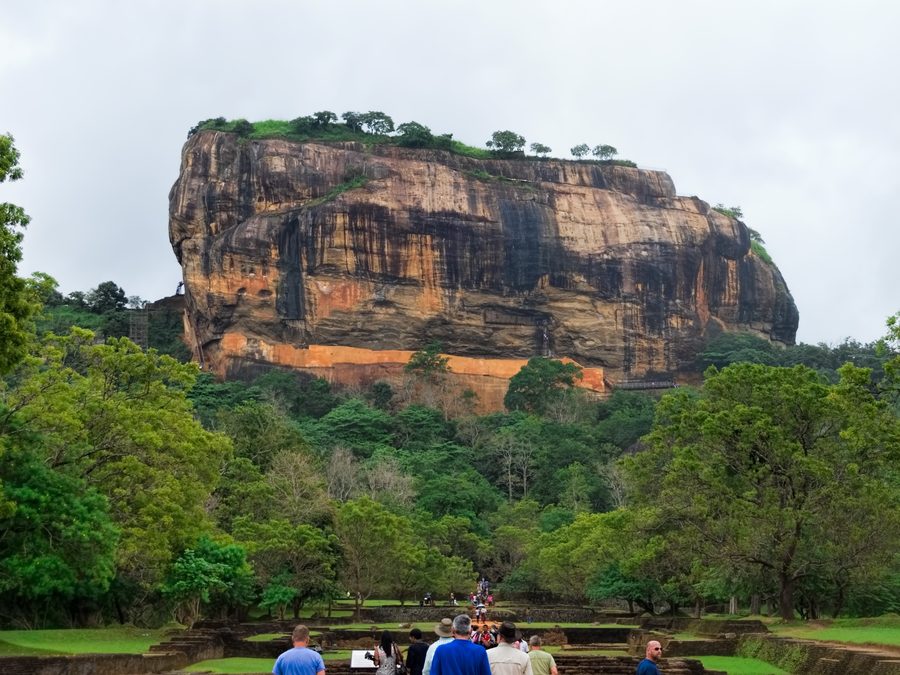 Der Löwenfelsen von Sigiriya zählt zu den bekannten Kulturstätten Sri Lankas.
Photo: Dan Lundberg via Wikimedia Commons, CC BY-SA 2.0
Der Löwenfelsen von Sigiriya zählt zu den bekannten Kulturstätten Sri Lankas.
Photo: Dan Lundberg via Wikimedia Commons, CC BY-SA 2.0
Sri Lanka can be read like a journey through several landscapes and experiences: coastal stays meet green highlands, important cultural sites, nature watching, and a distinctive cuisine. For families, this creates not just an interchangeable beach holiday, but the chance to combine active discoveries, cultural impressions, and quieter days in a deliberate way.
Quick & useful
- The cave temple of Dambulla, the Lion Rock of Sigiriya, and Galle Fort represent three very different ways of experiencing Sri Lanka’s cultural heritage.
- Tea plantations shape the highland landscape and make the transition from the coast to the green mountain regions especially vivid.
- Yala National Park adds a nature experience with safari opportunities to cultural and coastal sections of a trip.
- Coast and beach can be combined with cultural sites, highland scenery, and nature experiences into different travel stages.
- Rice with various curries and hoppers, bowl-shaped pancakes, are among the country’s typical dishes.
- Coconut and spices such as cinnamon, cardamom, cloves, coriander, and chili shape many Sri Lankan flavors.
- Ceylon tea connects the highland landscape with one of Sri Lanka’s signature drinks.
- Traditionally in Sri Lanka, people eat with their right hand – a small, everyday glimpse into the food culture.
Between rock, temple, and coast
Anyone who wants to discover Sri Lanka together will find especially vivid destinations among its cultural sites. Sigiriya stands for a striking rock with historical significance, Dambulla for a cave temple, and Galle Fort for a fortified coastal quarter. These examples show how differently culture can be encountered while traveling: as a landscape experience, as a sacred place, or as part of a town by the sea.
That makes a cultural section a connecting element for families with different interests. One day may be shaped by history and architecture, while another part of the trip focuses more on landscape, beach, or nature. The places mentioned here are individual building blocks, not a complete list of all cultural destinations in the country.
Highlands, tea, and nature experiences
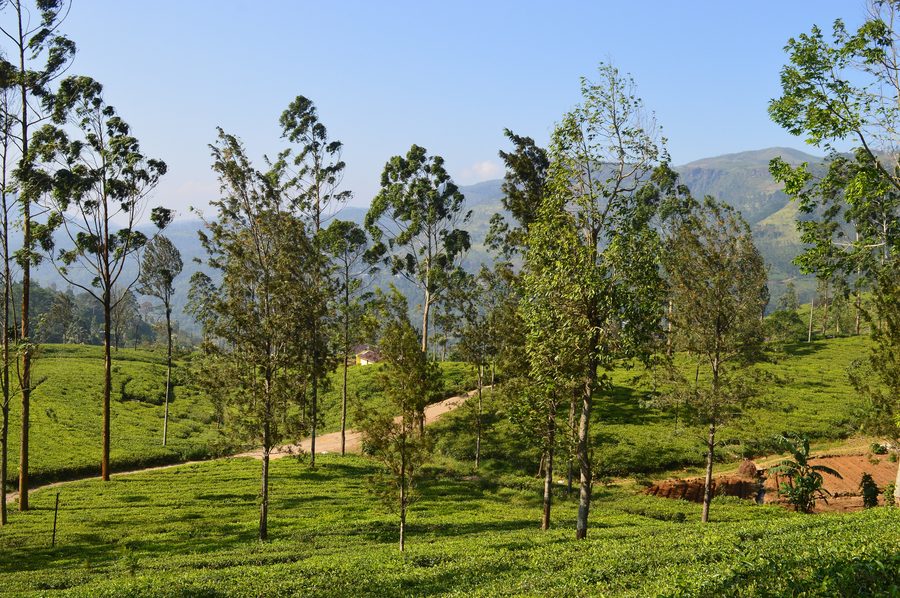
The highlands noticeably change the impression of a Sri Lanka trip. Tea plantations are among the defining landscape images there; at the same time, Ceylon tea becomes a cultural and culinary point of reference. Anyone who especially wants to experience green mountain landscapes and tea culture can treat the highlands as a separate stage rather than planning them only as a brief stop between other destinations.
Another focus is nature. Yala National Park offers safari experiences; the available description mentions possible wildlife sightings including elephants, crocodiles, monkeys, and numerous bird species. Sightings cannot be guaranteed, but a visit to the national park can add a more active discovery day to the itinerary. This creates a clear contrast to cultural sites and coastal stays.
Which type of trip suits your family?
A coastal focus suits a travel stage where beach and relaxation set the tone. The highlands, by contrast, appeal to travelers looking for tea plantations and a pronounced change of scenery. Cultural sites bring history and architecture into the itinerary, while Yala adds a nature experience. These elements can be combined, but they should be understood as different parts of a trip rather than interchangeable day trips.
For families with different activity levels, such a mix can be especially appealing: an exploration day focused on culture or nature can be followed by a quieter coastal section. If you want to combine several of these priorities, it is better to plan for multiple stages. If you prefer a clear focus, choose a base that supports exactly that travel style.
Choosing the right accommodation base for your itinerary
Accommodation in a coastal area supports a stay where beach days are the main attraction. A base in or near the highlands suits a self-contained section with tea plantations and mountain scenery. On a trip that combines cultural sites, nature experiences, highlands, and the coast, splitting the stay across several locations can make more sense than assuming that one place can cover all interests.
Cuisine can also influence the choice. Rice, coconut, and spices give meals a clearly local character; hoppers and Ceylon tea make the culinary side of the country tangible. If self-catering is important for your family, check the actual kitchen facilities and shopping options at the chosen location before booking.
Regional selection in Sri Lanka
You can explore Sri Lanka’s regional diversity in more detail through the following areas: North Central Province, Northern Province, North Western Province, and Eastern Province.
Other areas include Sabaragamuwa Province, Southern Province, Uva Province, Western Province, and Central Province. You can then match the selection to the travel element you want most – for example coast, highlands, culture, or nature.
Frequently asked questions about Sri Lanka
Which types of trips can be combined in Sri Lanka?
Coast, highlands, cultural sites, and nature experiences can form different stages of a trip. This kind of combination is especially suitable for families who want more than just a stay by the sea and also want to include landscape, history, and wildlife.
What culinary impressions belong to a trip through Sri Lanka?
Rice with curries, hoppers, coconut and spices, as well as Ceylon tea, give the stay a distinctive culinary profile. The traditional way of eating with the right hand is also part of the country’s cultural impressions.
When is a multi-part accommodation plan better than a single base?
Several bases can make sense if you want to include coast, highlands, cultural sites, and nature experiences equally in your trip. If you have a clear focus, however, a base that supports exactly that landscape and experience profile is the better choice.

.jpg)

