
Vacation apartment in Salalah
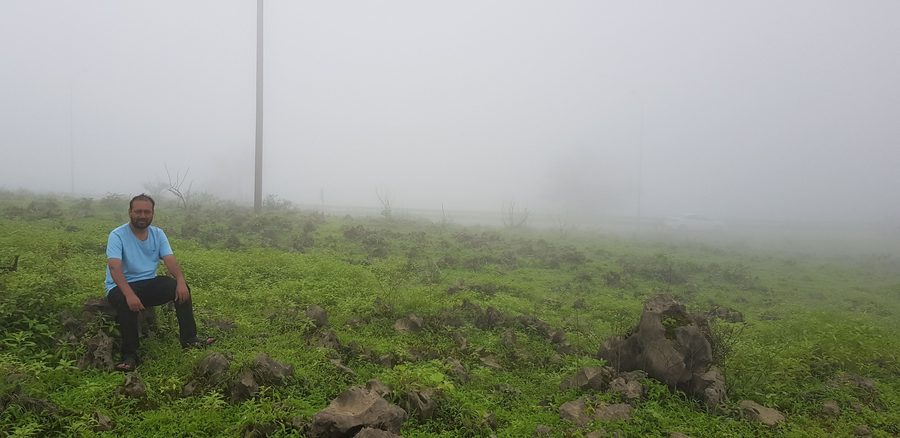 Die Khareef-Zeit verwandelt Teile der Berg- und Wadilandschaft Dhofars saisonal in eine grüne, neblige Landschaft.
Photo: Syed99975 via Wikimedia Commons, CC BY-SA 4.0
Die Khareef-Zeit verwandelt Teile der Berg- und Wadilandschaft Dhofars saisonal in eine grüne, neblige Landschaft.
Photo: Syed99975 via Wikimedia Commons, CC BY-SA 4.0
Salalah is more than a city on the coast: as Dhofar’s urban center, it brings together coastline, mountains, wadis, drier desert landscapes, and a frankincense history that still shapes the region today. Especially unusual is the seasonal change during the Khareef, when parts of the mountain and wadi landscape appear greener and more humid. For families who want to combine nature, culture, coast, and flexible days, the key decision is therefore less a single attraction than the choice of travel time, a mix of excursions, and the right starting point.
Quick facts about Salalah
- Location and function: Salalah is Dhofar’s urban and administrative center and for many trips in the region the central starting point.
- Landscape: Around the city, coast, mountains, wadis, and arid desert areas meet.
- Khareef: The special season is usually associated with June to September; its exact character can vary from year to year.
- Cultural heritage: Wadi Dawkah is an example of the frankincense landscape and Dhofar’s heritage.
- Mobility: Anyone wanting to combine several excursion areas outside the city should plan the trip with a suitable vehicle.
Khareef or a dry travel impression?
The time of year changes the character of Salalah significantly. Khareef is usually associated with June to September and can make parts of the Dhofar mountains and wadis appear seasonally green and more humid. If you are looking specifically for this landscape contrast, you should plan your trip around this period. Outside Khareef, however, no comparable greening should be assumed: then the drier impression of the coastal, desert, and mountain landscapes comes more to the fore.
For a family with varied interests, this decision can influence the entire daily rhythm. The Khareef phase points to the seasonal landscape as the main theme, while a drier travel period places the general transition between city, coast, culture, and excursion areas at the center. A specific weather pattern cannot be guaranteed.
Between coast, mountains, wadis, and dry landscapes
Salalah is well suited as a starting point for a varied look at Dhofar because the region combines several clearly different landscape zones. In addition to the coast, there are mountain landscapes, wadis, and drier areas. This variety is part of the destination’s appeal, but it requires realistic planning: the different experience areas are not automatically within walking distance, and for several excursions mobility remains an important part of the travel decision.
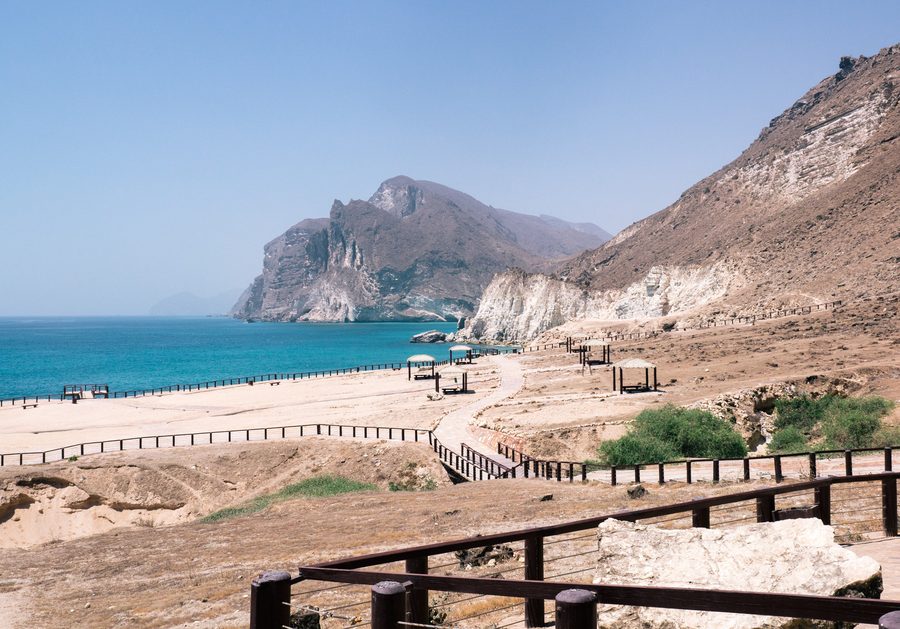
This is especially helpful if you do not want every day of the vacation to look the same. A city or culture day can alternate with a coast or landscape day; on days with fewer excursions, the mix can be limited accordingly. This does not automatically imply specific swimming, water sports, or family activities, because Salalah’s documented special feature lies in the landscape contrast itself.
Frankincense as an access point to Dhofar’s history
The history of frankincense gives the landscape a cultural dimension. Dhofar is historically and to this day closely linked to frankincense production. Wadi Dawkah stands as an example of this frankincense landscape and combines natural surroundings with history. The site is part of the UNESCO World Heritage in connection with the frankincense sites. This turns a landscape excursion into a meaningful shared moment of discovery: the surroundings tell not only of mountains and wadis, but also of the importance of frankincense for Dhofar.
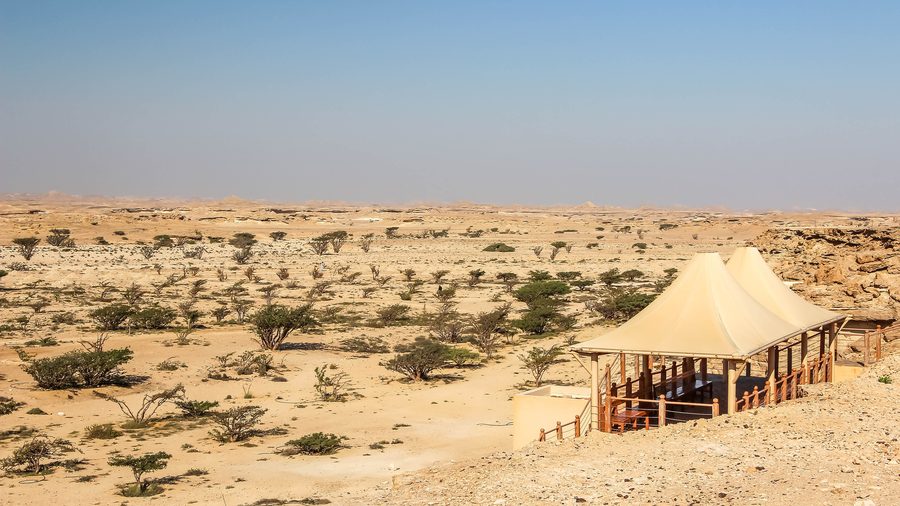
The agricultural way of life is also part of Salalah’s image. The seasonal conditions make it possible, among other things, to grow coconuts and bananas. This is a regional example of how strongly Khareef shapes the landscape and life in Dhofar. However, no specific dishes, restaurants, or market offerings can be inferred from this.
Which base best suits the planned daily rhythm?
Salalah itself is a plausible urban base if the focus is on the city and its cultural connections. If, on the other hand, you want to combine as many of Dhofar’s landscape areas as possible, you should plan the additional mobility between city, coast, mountains, wadis, and drier excursion destinations from the outset. Without reliable detailed information, a specific location within Salalah cannot be assessed as especially quiet, close to the beach, or walkable.
For choosing a vacation apartment, this means: what matters first is whether you are planning a mostly urban stay or a changing mix of excursions. With several nature and culture days, a suitable vehicle remains a key planning factor. Anyone wanting to combine flexible daily routines with self-catering should therefore primarily check the desired location and their own mobility. A kitchen, parking space, or other amenities cannot be assumed across the board; they must be checked individually for each listing.
Planning arrival and excursions together
For many trips to Dhofar, Salalah is the central arrival and starting point. Current flight connections or transfer times should not be inferred from this. For actual trip planning, it is more important to understand that a stay in the city does not automatically shorten the routes between all landscape areas. Anyone wanting to combine several destinations outside the city should therefore plan a suitable vehicle; more remote destinations may pose particular accessibility requirements.
For families with different interests, a flexible basic idea is advisable: not every day has to include the full richness of Dhofar’s landscapes. A mixed plan can combine city, coast, frankincense culture, and nature, provided the necessary mobility is taken into account. This keeps the planning adaptable to different ideas of how a day should look, without making an unsupported promise about a specific age group of children or a particular activity.
Frequently asked questions about Salalah
What makes Salalah special as a travel destination?
Salalah combines Dhofar’s urban center with the coast, seasonally influenced mountain and wadi landscapes, and the region’s frankincense history. The shift between these landscape and cultural themes shapes the travel experience.
When does Salalah show its greener Khareef landscape?
The Khareef season is usually associated with June to September. During this phase, parts of the Dhofar landscape can appear significantly greener and more humid; however, a specific expression is not guaranteed.
Do you need a car for excursions around Salalah?
For exploring several areas outside the city, a vehicle should be planned for. Remote destinations may pose special accessibility requirements; concrete driving times or providers cannot be inferred from this.
Which landscapes can be combined around Salalah?
Documented contrasts include coast, mountains, wadis, drier desert areas, and frankincense landscapes such as Wadi Dawkah. How many of these areas you combine depends on the desired daily rhythm and the mobility you have planned.
Anyone wanting to compare Salalah with other places and accommodation bases in the region can find the regional overview under Dhofar.


