
Vacation apartment in Rehovot
 Das Weizmann Institute of Science gehört zu den prägenden wissenschaftlichen Bezügen Rehovots.
Photo: Chenspec via Wikimedia Commons, CC BY-SA 4.0
Das Weizmann Institute of Science gehört zu den prägenden wissenschaftlichen Bezügen Rehovots.
Photo: Chenspec via Wikimedia Commons, CC BY-SA 4.0
Rehovot is more than a place to stay in central Israel: the city combines a scientific character with a history that began in 1890 as an agricultural settlement. It also has a documented citrus tradition. For families, this creates a destination where city history, research, and a vivid glimpse into early citrus farming come together.
Quick facts about Rehovot
- Location: Rehovot is located in Israel’s Center District, about 20 kilometers south of Tel Aviv.
- History: The city was founded in 1890 as an agricultural settlement.
- Special feature: The Minkoff Citrus Orchard Museum documents the area’s early citrus farming.
Science shapes the cityscape
One of the defining scientific references in Rehovot is the Weizmann Institute of Science. Even without classifying individual campus areas as a visitor attraction, this connection helps explain the city’s character: Rehovot stands not only for a central location, but also for research and knowledge. Anyone interested in a family vacation with a scientific and historical focus can consciously include this aspect in planning, alongside the city’s local and agricultural history.
From agricultural settlement to citrus history
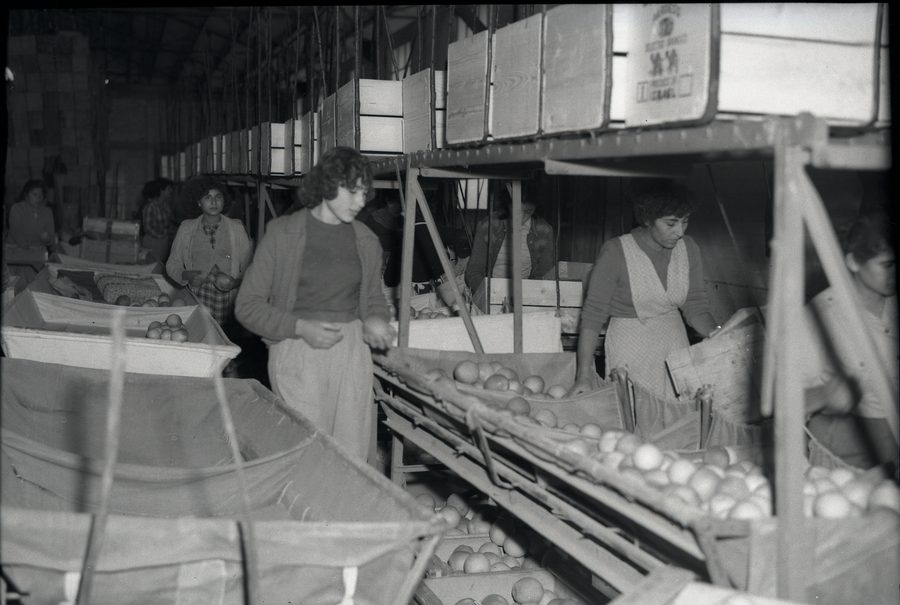
The history of Rehovot can be especially clearly explored at the Minkoff Citrus Orchard Museum. There, a historic orchard documents the area’s early citrus farming. According to the museum information, the season also includes orange picking and juice making for children; advance booking is mentioned for this. The season and current availability should therefore be checked in advance.
This experience adds a distinct note to the travel plan: agriculture and local history become tangible instead of appearing only as dates. If you choose a vacation apartment in Rehovot, its location should fit the destinations you actually plan to visit. Accommodation should not be geared solely to the seasonal citrus experience, since its operation is limited to certain times of year.
Which location suits your stay?
The most important decision depends on the focus of your trip. If you want to use Rehovot as a standalone place to explore science, local history, and agricultural history, you should check the accommodation’s exact location in relation to the destinations you want to visit before booking. No reliable ranking can be derived from this between central, quiet, or edge-of-town locations.
For families with different interests, a flexible plan can make sense: one day for the city’s scientific and historical side, another for the citrus orchard, provided the season and booking fit. In this way, the two documented aspects of Rehovot—research and citrus history—can be combined in the travel plan. If you want to expand your accommodation search to the Center District, you can also look at Gan Yavne. The regional framework is the Center District.
Frequently asked questions about Rehovot
What makes Rehovot special as a travel destination?
Rehovot combines its location in the Center District with the history of an agricultural settlement, the scientific environment of the Weizmann Institute of Science, and a documented citrus tradition.
What family-friendly discovery fits Rehovot’s agricultural history?
The Minkoff Citrus Orchard Museum presents the history of citrus cultivation. Seasonal offers such as orange picking and juice making for children are described as being available with advance booking.
Is Rehovot more of a science destination or an agricultural destination?
Both aspects are part of the city’s identity: Rehovot has an agricultural founding history and is also scientifically shaped by the Weizmann Institute of Science.


